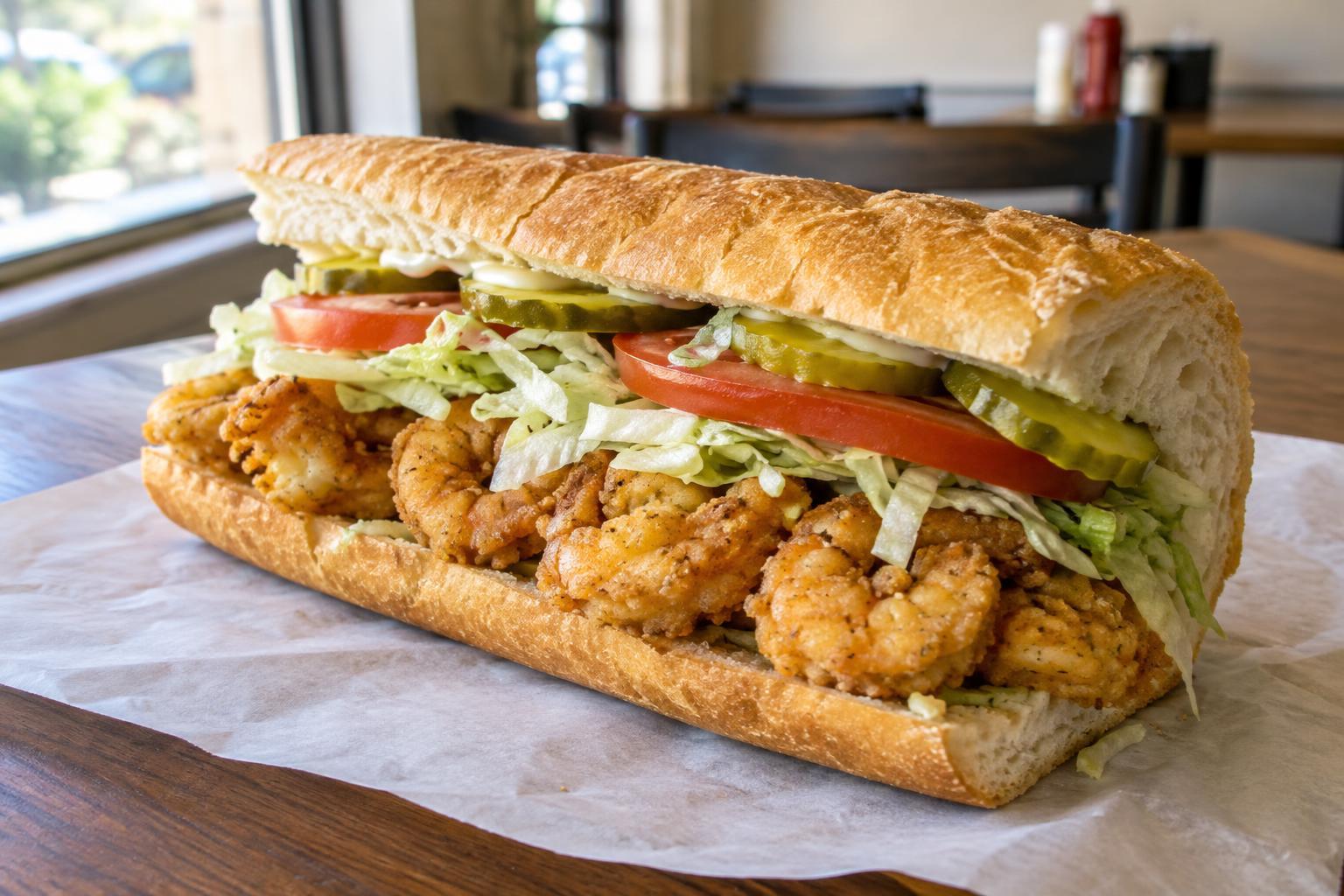
Food TraditionsA New Orleans po’ boy is more than a filling tucked into a loaf. Learn what makes the bread distinctive, how common fillings change the experience, what “dressed” usually includes and which questions to ask before you order.
Read article · 4 min↗
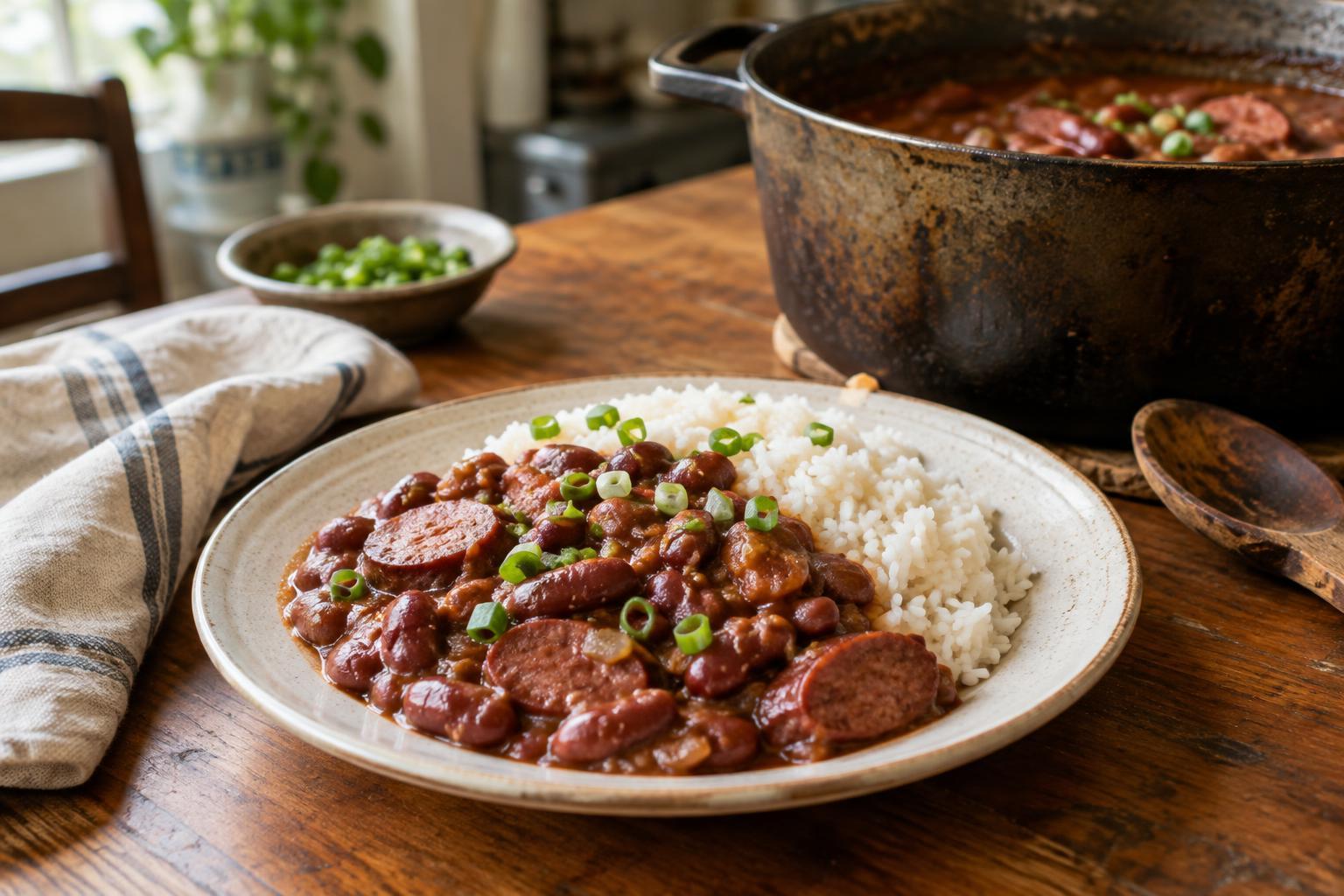
Food TraditionsRed beans and rice is more than a familiar plate in New Orleans. Its association with Monday reflects an older rhythm of household work, the usefulness of a slow-simmered pot, and a tradition that still leaves room for each cook’s own version.
Read article · 4 min↗
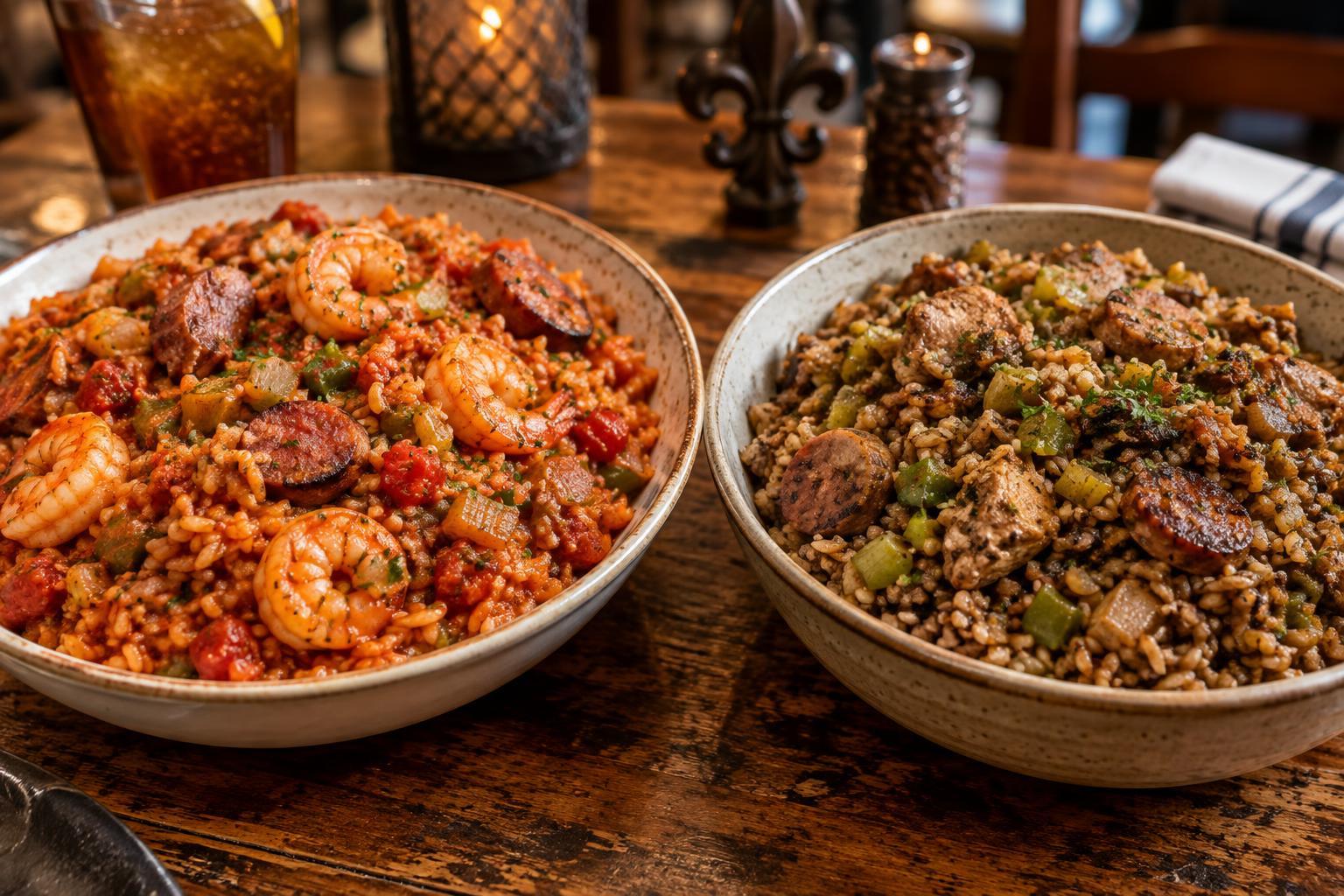
Food TraditionsTomato-rich Creole jambalaya and savory brown jambalaya offer two ways to build a New Orleans rice dish. Learn what usually distinguishes them, where the labels overlap, and what to notice when you order or cook a bowl.
Read article · 4 min↗
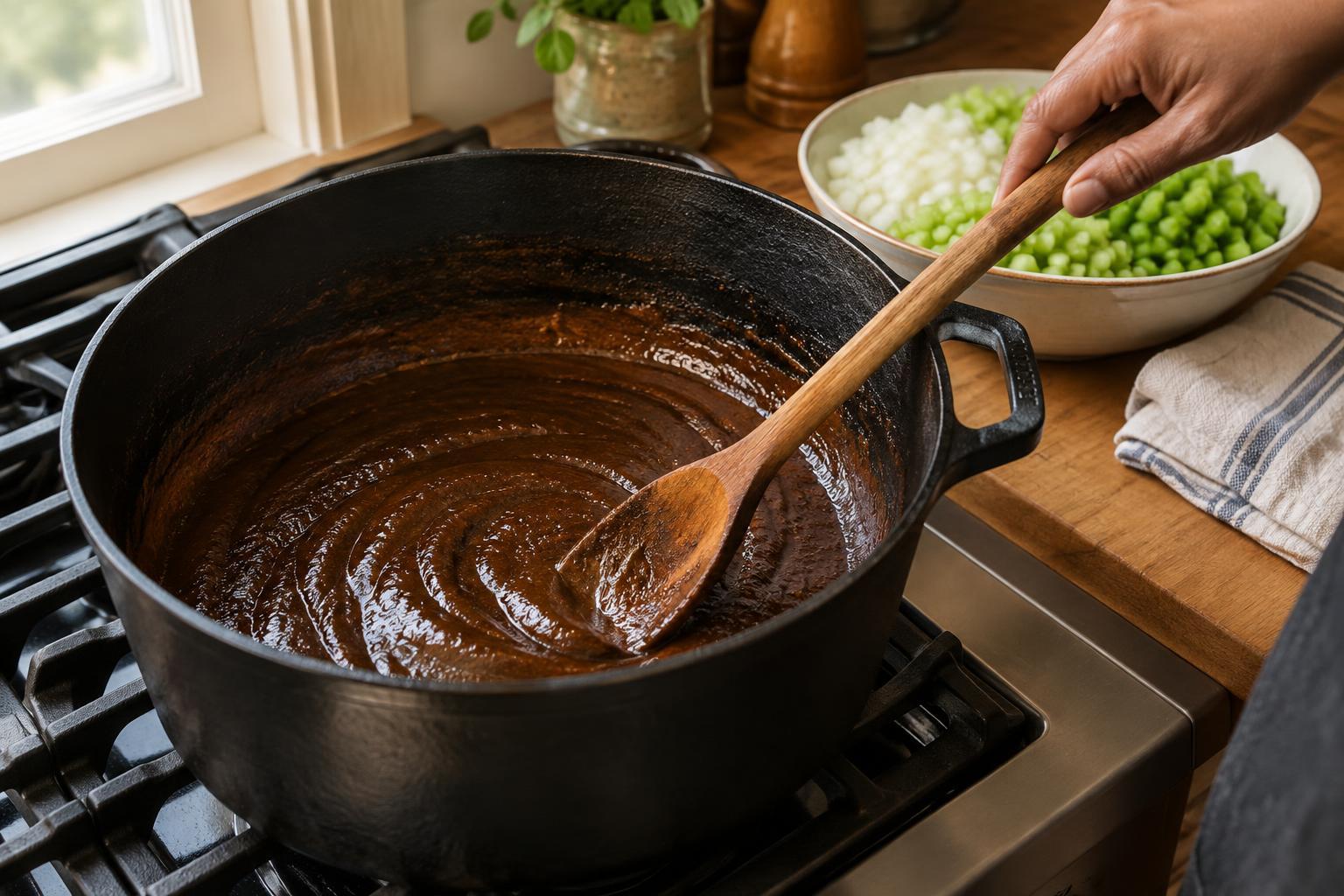
Food TraditionsA dark roux brings a toasted, savory foundation to dishes such as gumbo, but it needs steady attention. Learn how to choose a pot, control the heat, recognize the right color and handle hot roux without splashes.
Read article · 3 min↗
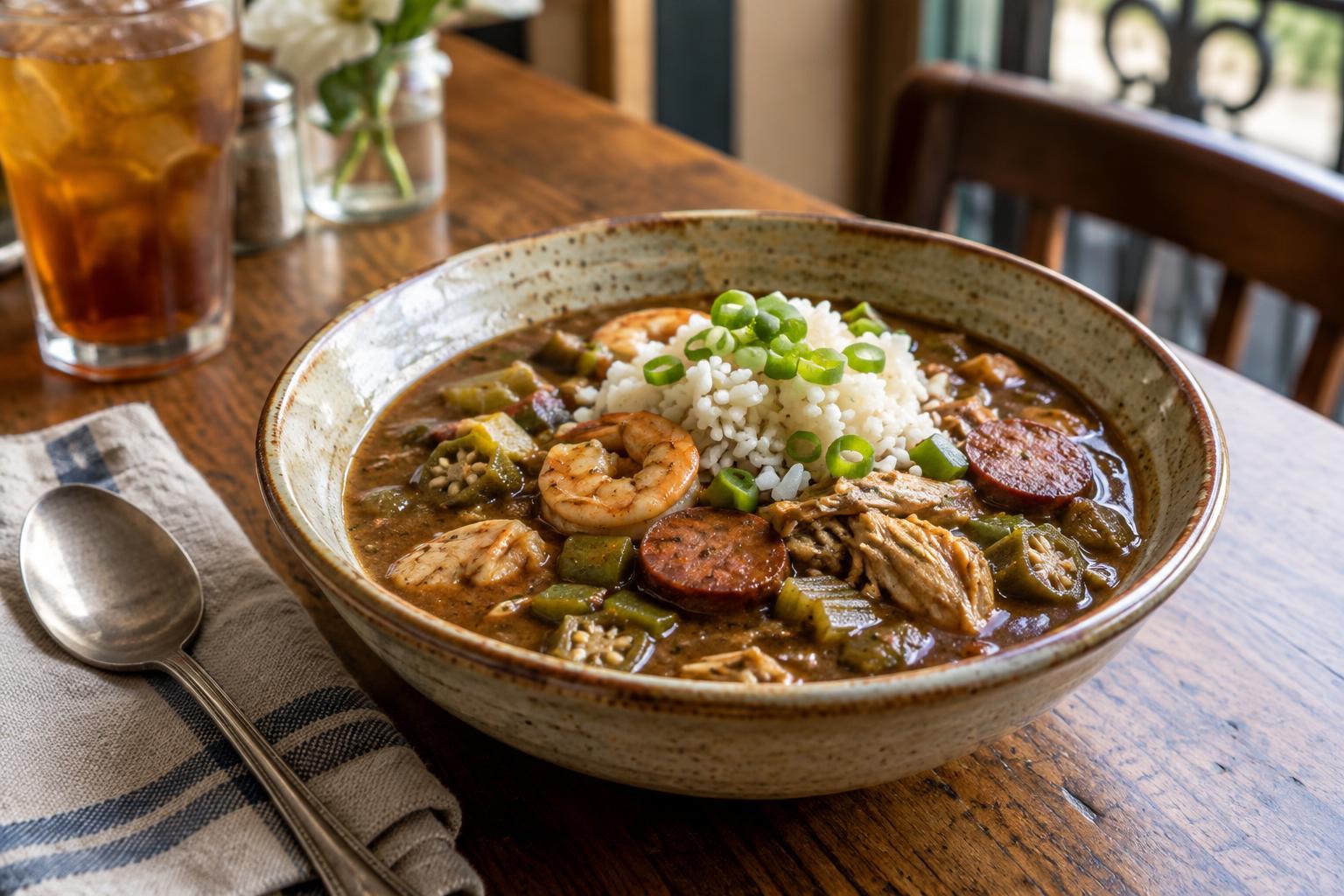
Food TraditionsGumbo is a New Orleans staple, but it is not one fixed recipe. Learn how cooks use roux, okra and filé, what distinguishes common styles, and what to expect when a bowl arrives at the table.
Read article · 4 min↗
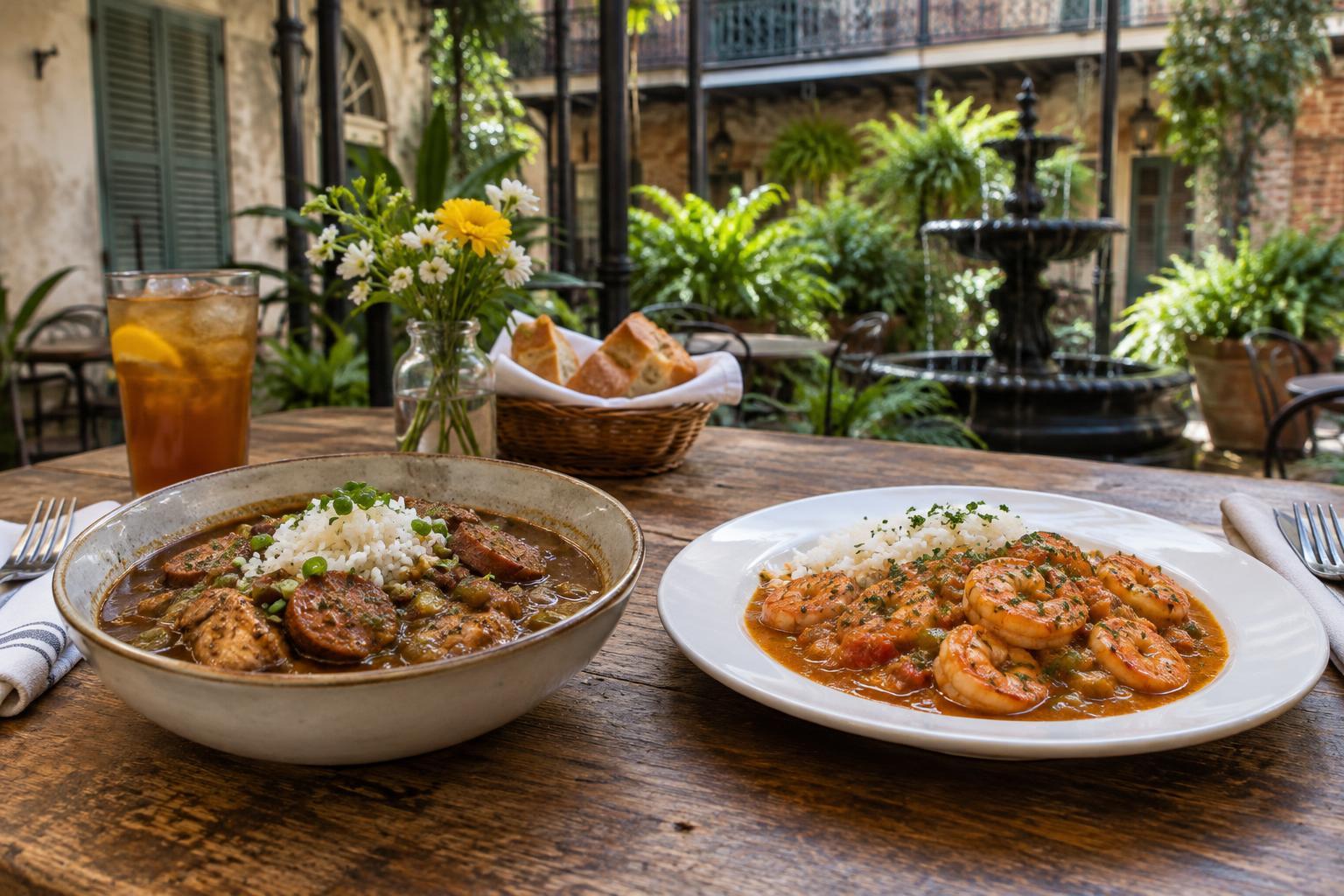
Food TraditionsCreole and Cajun are often paired on New Orleans menus, but they are not interchangeable labels. Learn how the traditions developed, where they overlap, and how to explore both without reducing either to a list of ingredients.
Read article · 4 min↗
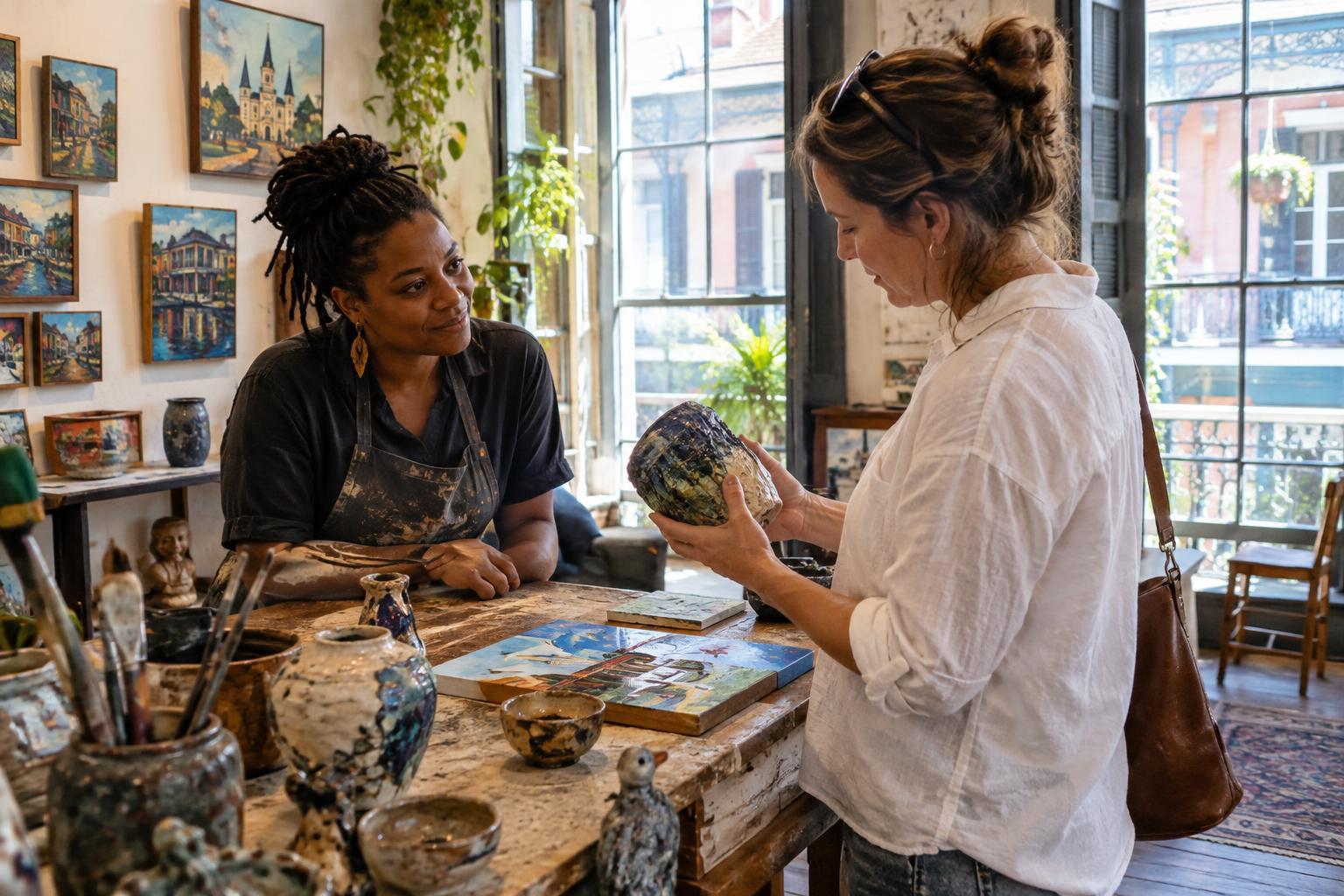
Arts and Local CultureA meaningful New Orleans keepsake can be a piece of art, a handmade object or even a ticket to a performance. Learn how to find work made by local artists, ask useful questions and spend in ways that respect the people behind the city’s culture.
Read article · 4 min↗
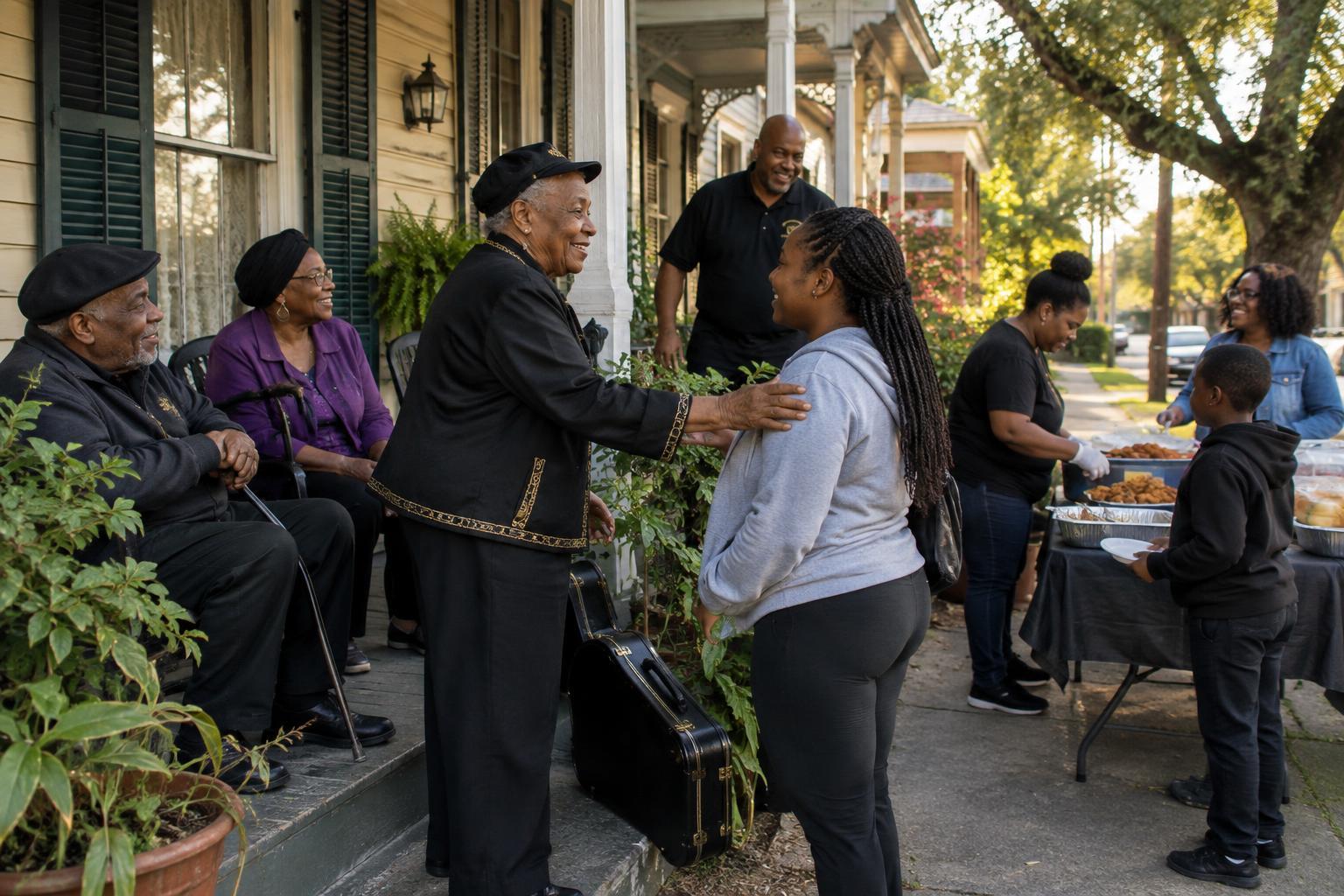
Arts and Local CultureSecond lines bring social aid and pleasure clubs into public view, but the work behind them lasts all year. Learn how clubs build fellowship, support members, sustain traditions and connect generations—and how visitors can engage respectfully.
Read article · 4 min↗
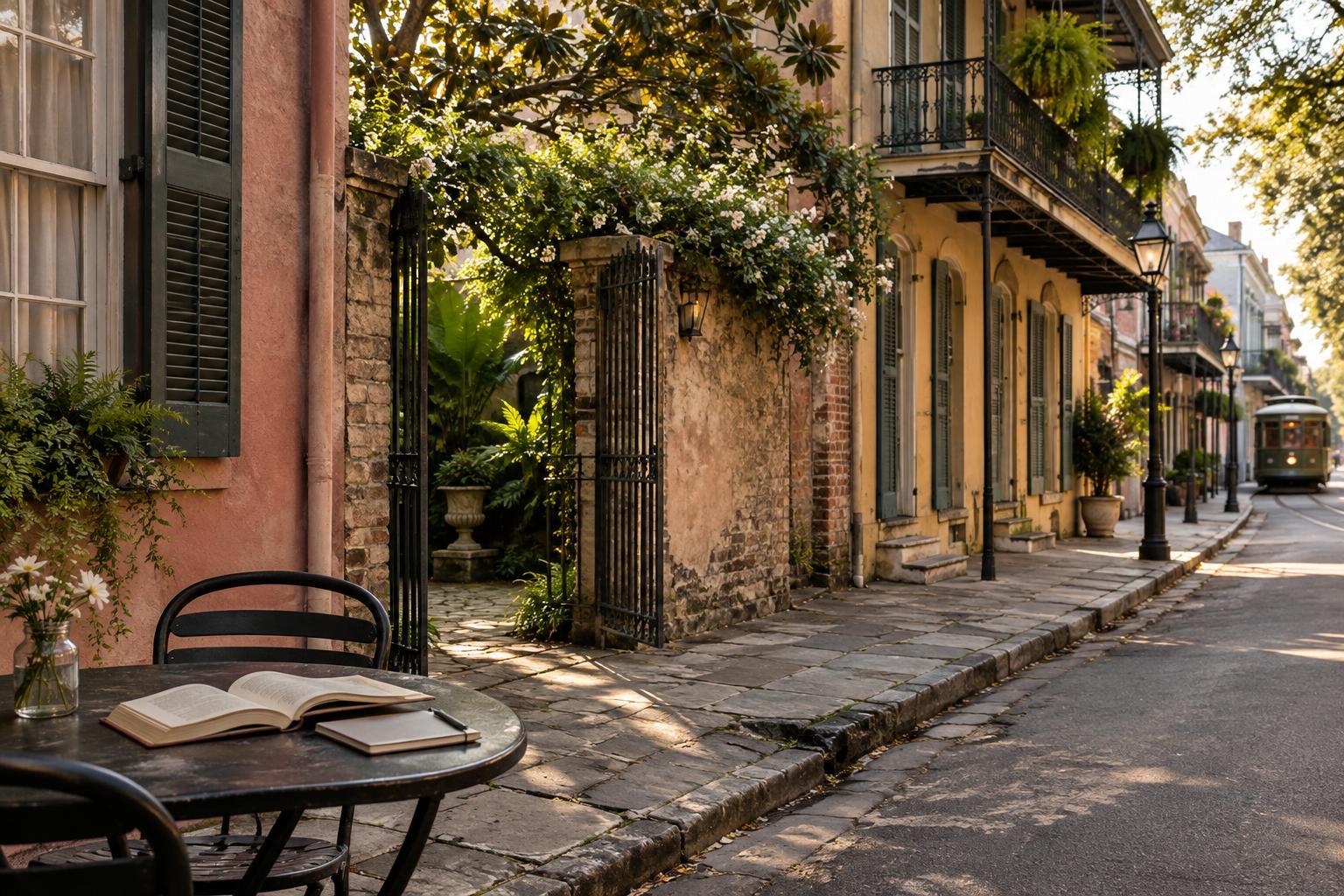
Arts and Local CultureFrom French Quarter rooms to New Orleans East, the city’s literary geography extends well beyond its best-known streets. Explore writers whose work opens different ways to read New Orleans—and the places worth considering alongside their books.
Read article · 4 min↗
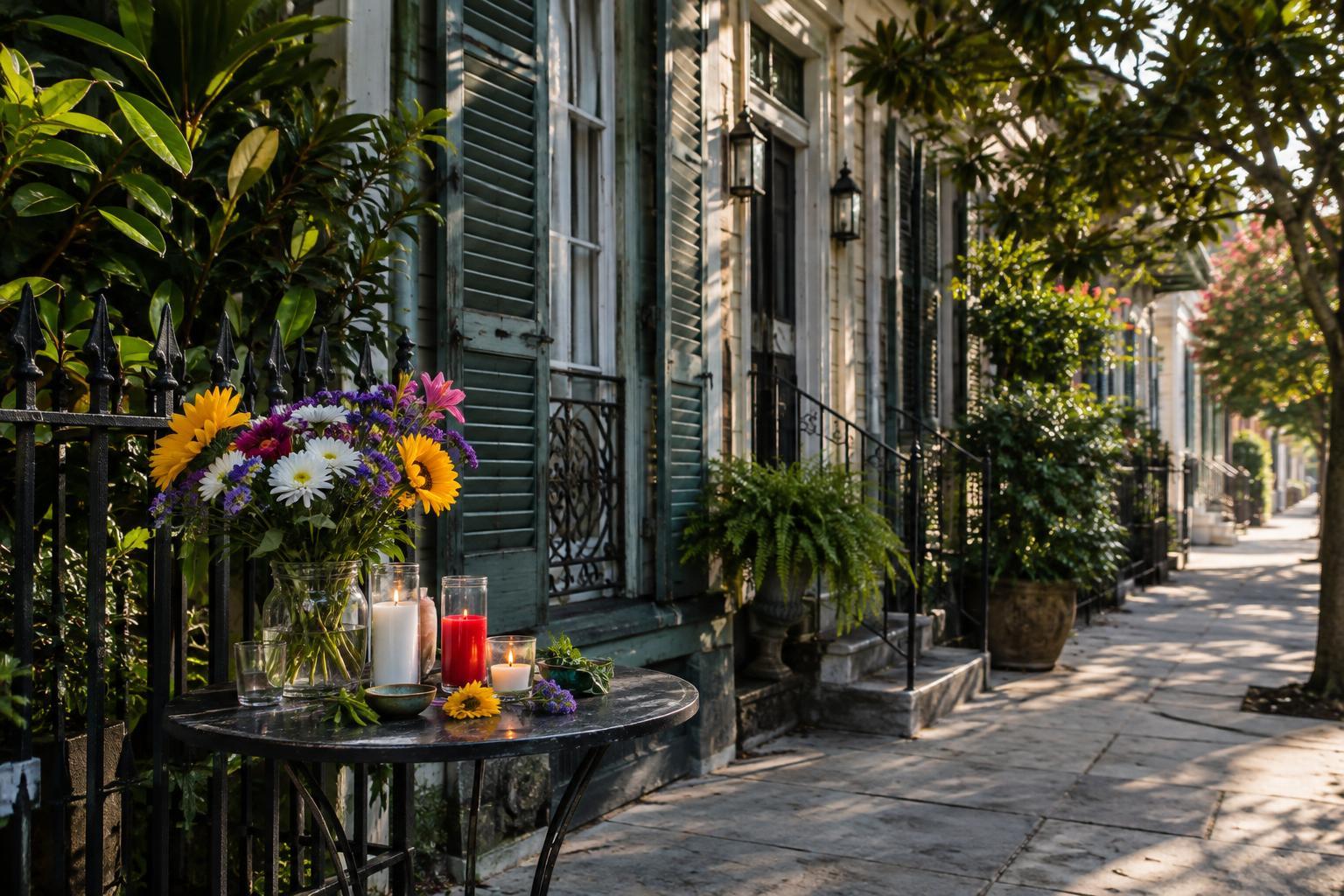
Arts and Local CultureNew Orleans Voodoo is often presented to visitors through dramatic stories and souvenirs. A more respectful approach begins by recognizing a living, varied tradition and being thoughtful about what a tour, shop or museum can—and cannot—tell you.
Read article · 3 min↗
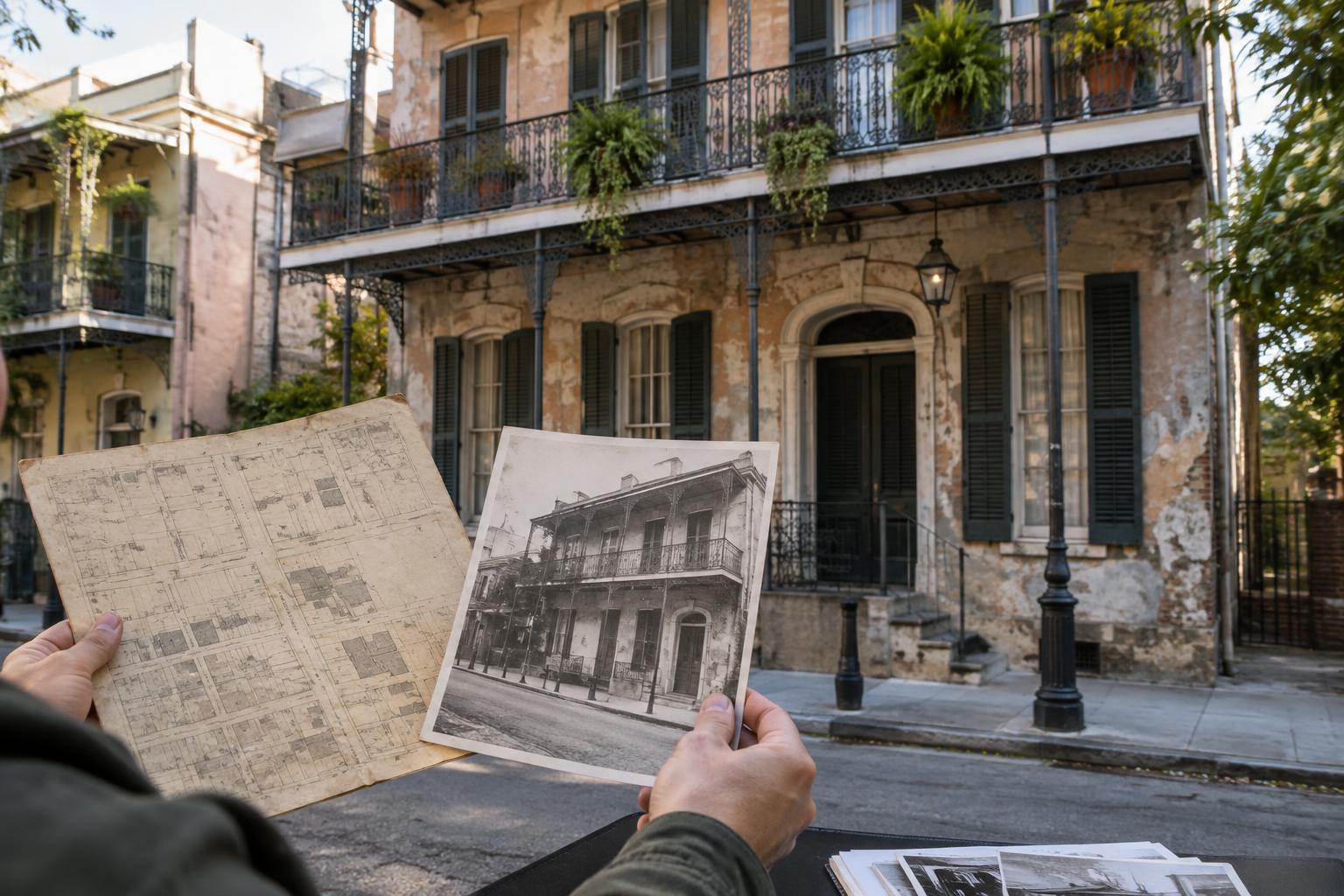
Arts and Local CultureA familiar New Orleans façade can hide several eras of construction, ownership and use. Learn how to build a careful history of a building by starting with its location, comparing maps and records, and treating uncertain dates and local stories with care.
Read article · 4 min↗
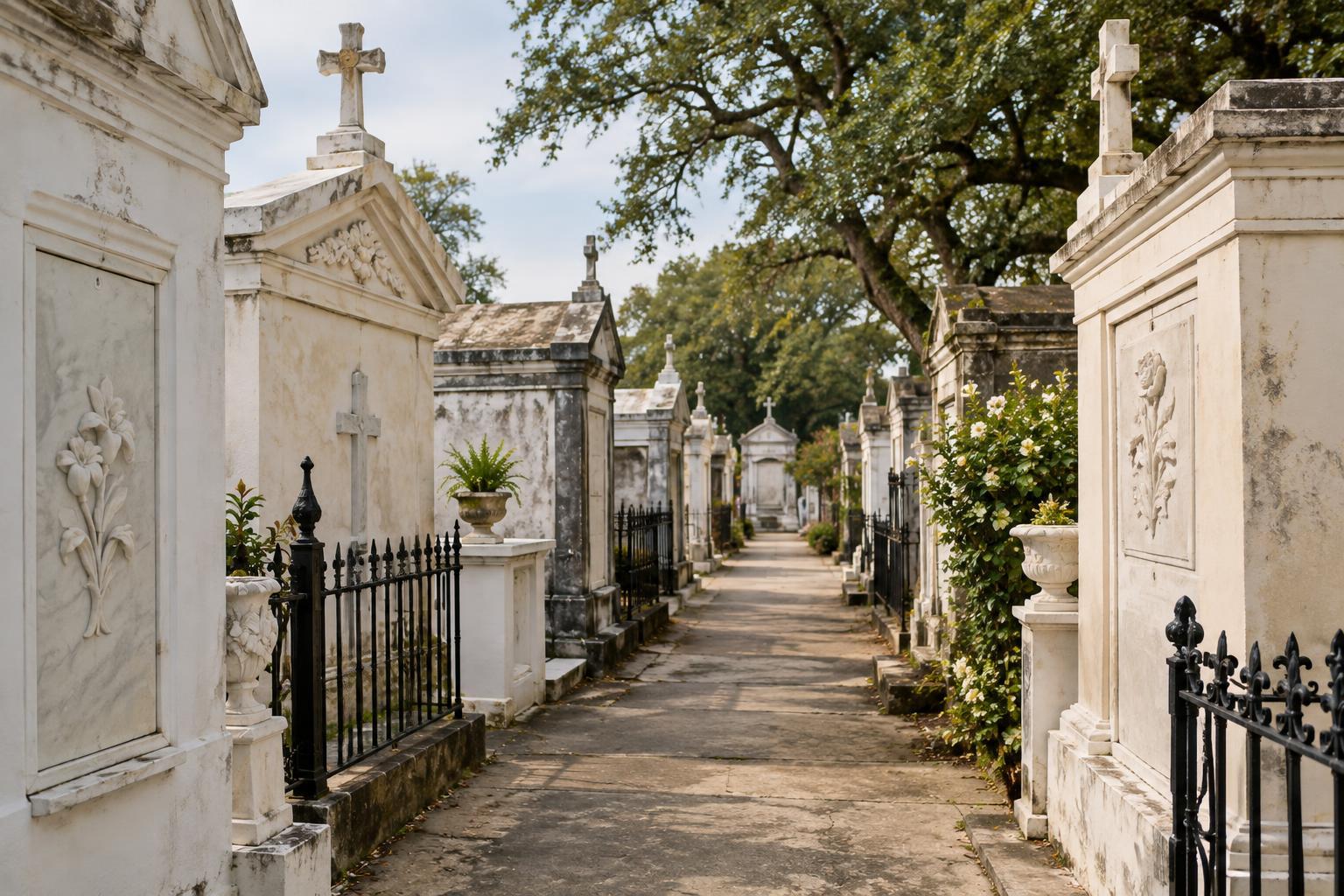
Arts and Local CultureNew Orleans cemeteries are places of remembrance as well as repositories of distinctive architecture and craft. Learn how tombs are built, what common motifs may suggest, why preservation takes care, and how to visit respectfully.
Read article · 4 min↗
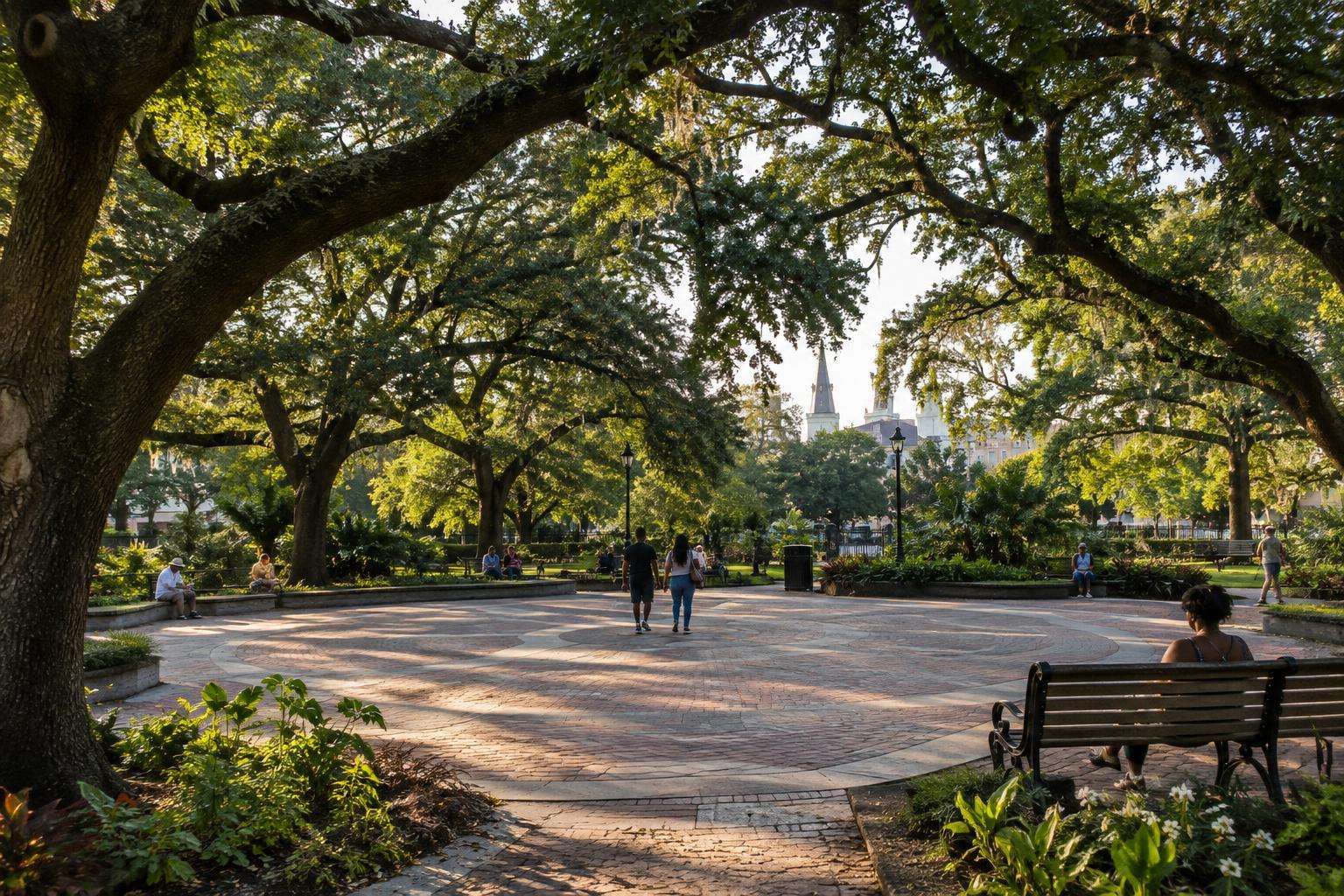
Arts and Local CultureCongo Square is often introduced as a birthplace of jazz. Its history is richer than a single origin story: it is a place where enslaved people gathered, cultural practices met and changed, and generations of New Orleanians have continued to make meaning.
Read article · 4 min↗
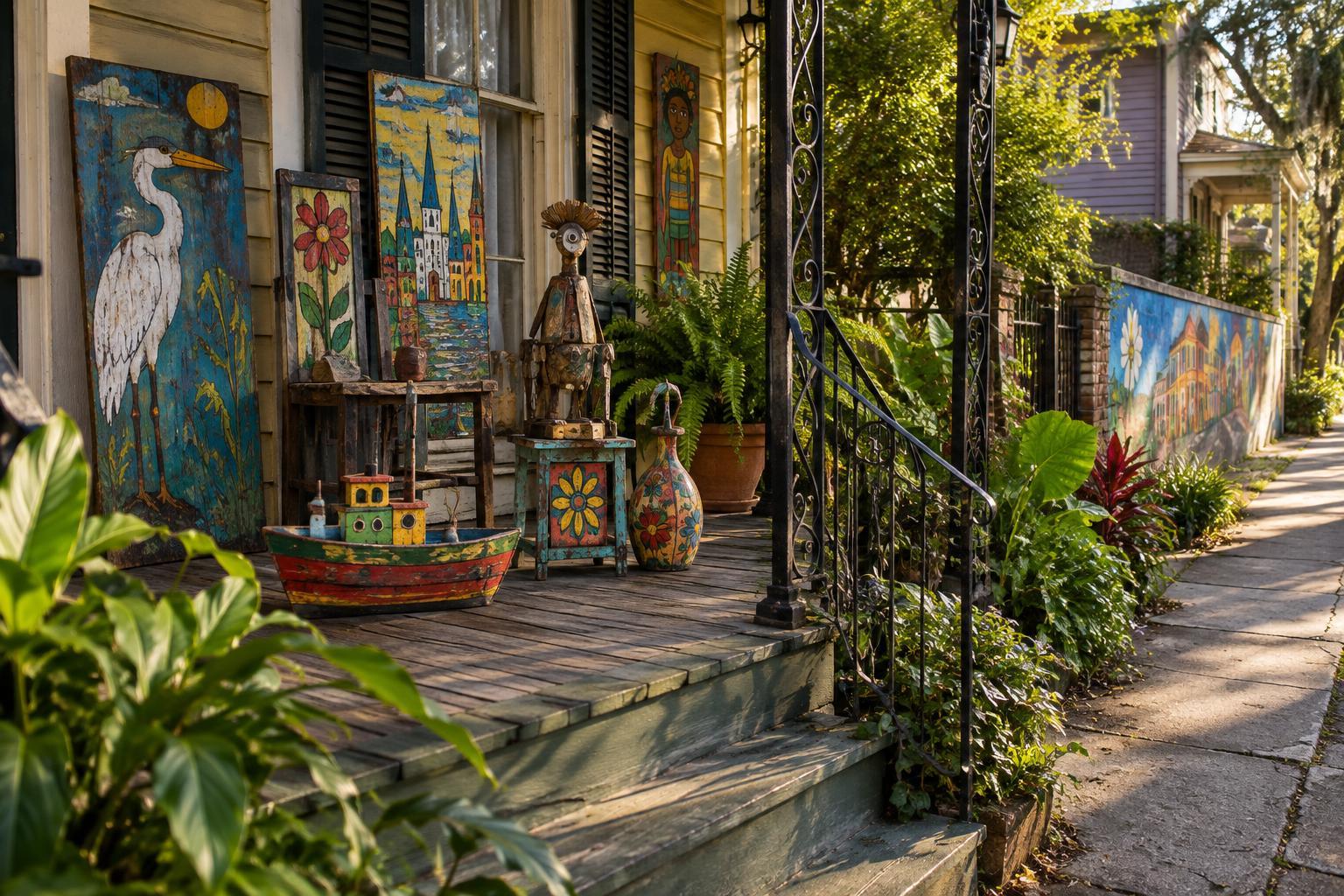
Arts and Local CultureNew Orleans art lives in galleries, but also on porches, in parades and across neighborhood walls. This guide offers a starting point for understanding folk art and self-taught practice without treating either as a single style—and for looking, asking questions and buying with care.
Read article · 4 min↗
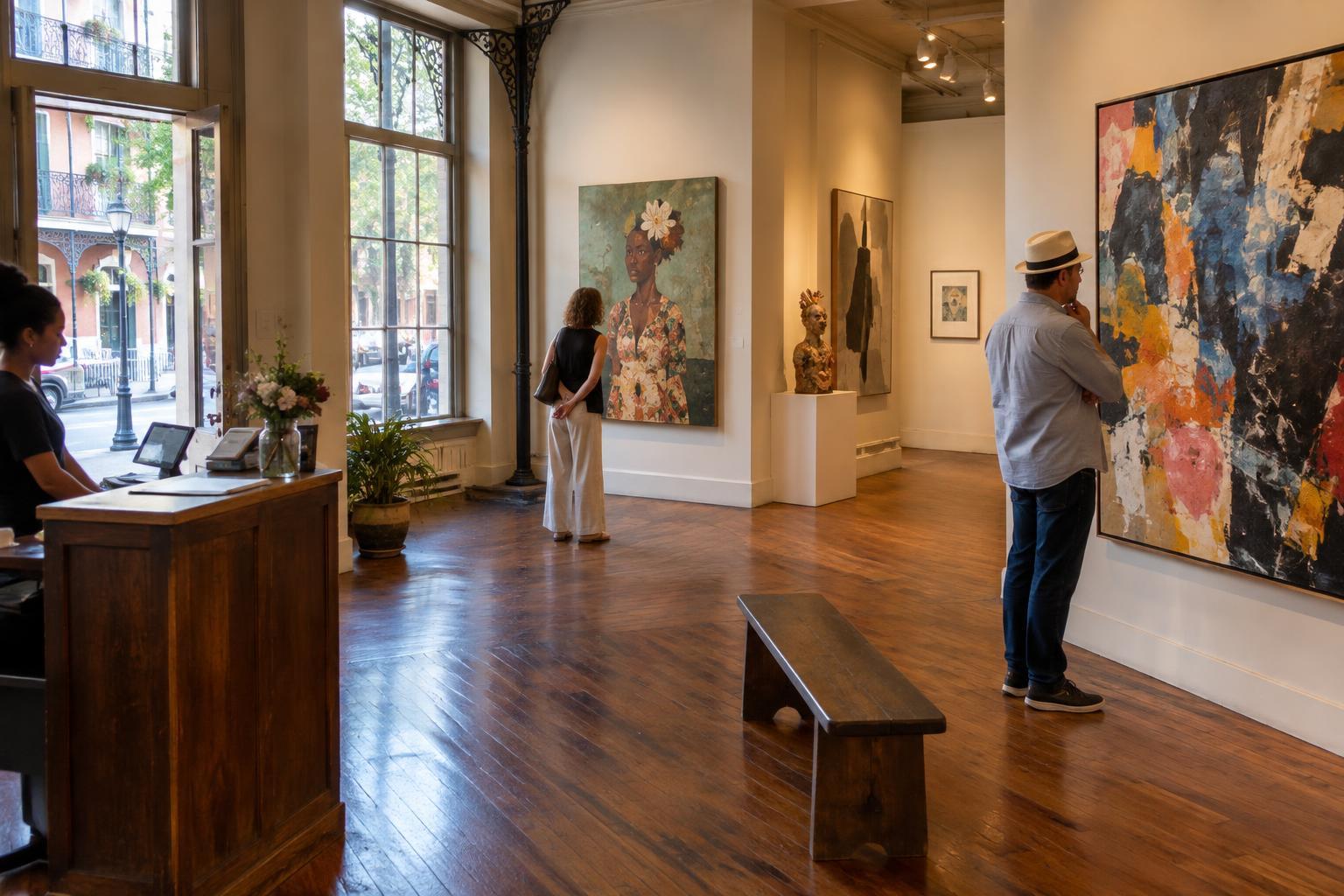
Arts and Local CultureNew Orleans offers many ways to encounter art, but an open gallery door does not guarantee free admission to every exhibition or event. Learn how to check access details, plan for costs, and visit with respect for the artists and spaces that make the city’s art scene distinctive.
Read article · 4 min↗
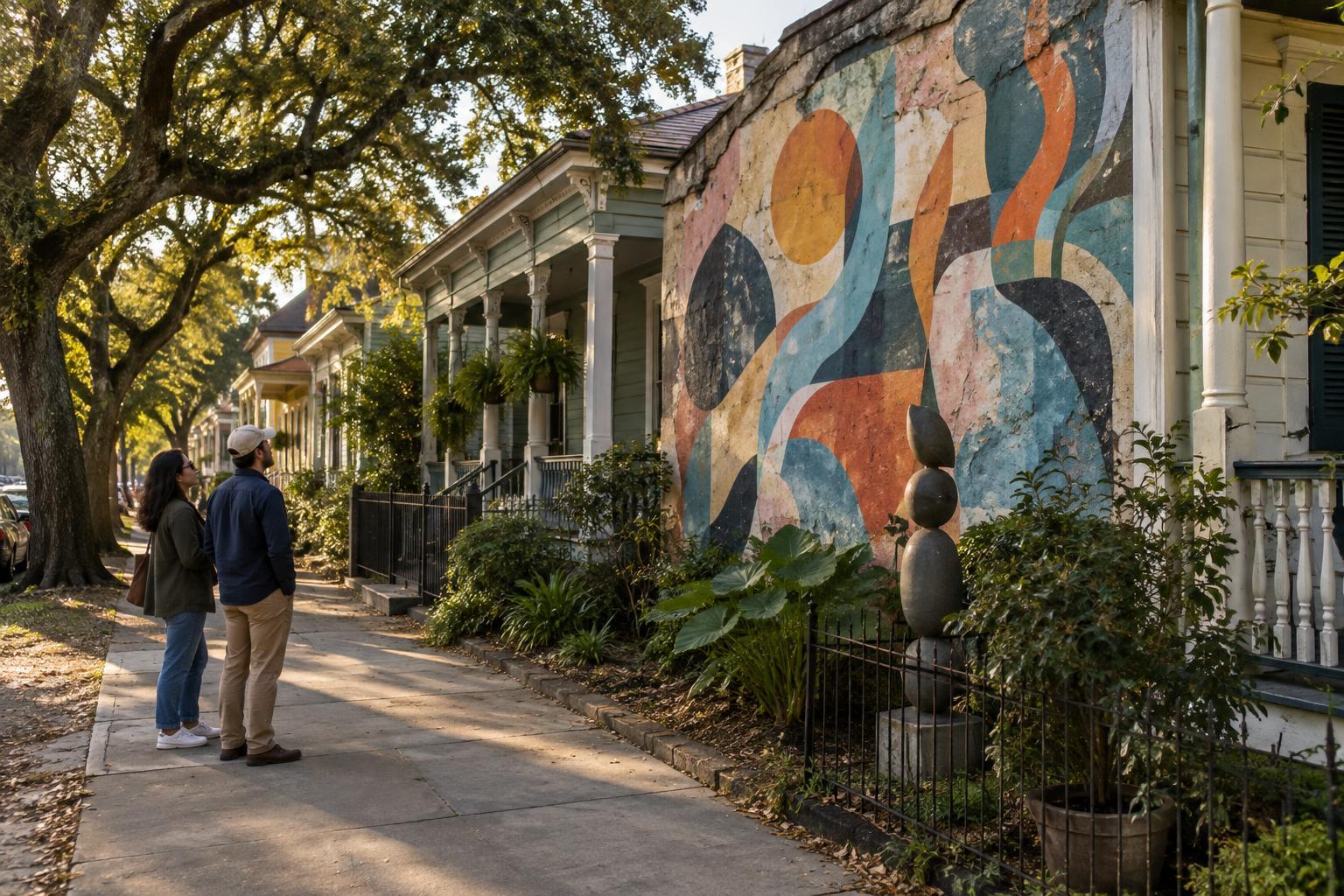
Arts and Local CultureMurals, sculptures, memorials and neighborhood art can add depth to a walk through New Orleans. This practical guide covers how to plan a flexible route, look closely, take photos considerately and leave space for the communities around the work.
Read article · 3 min↗
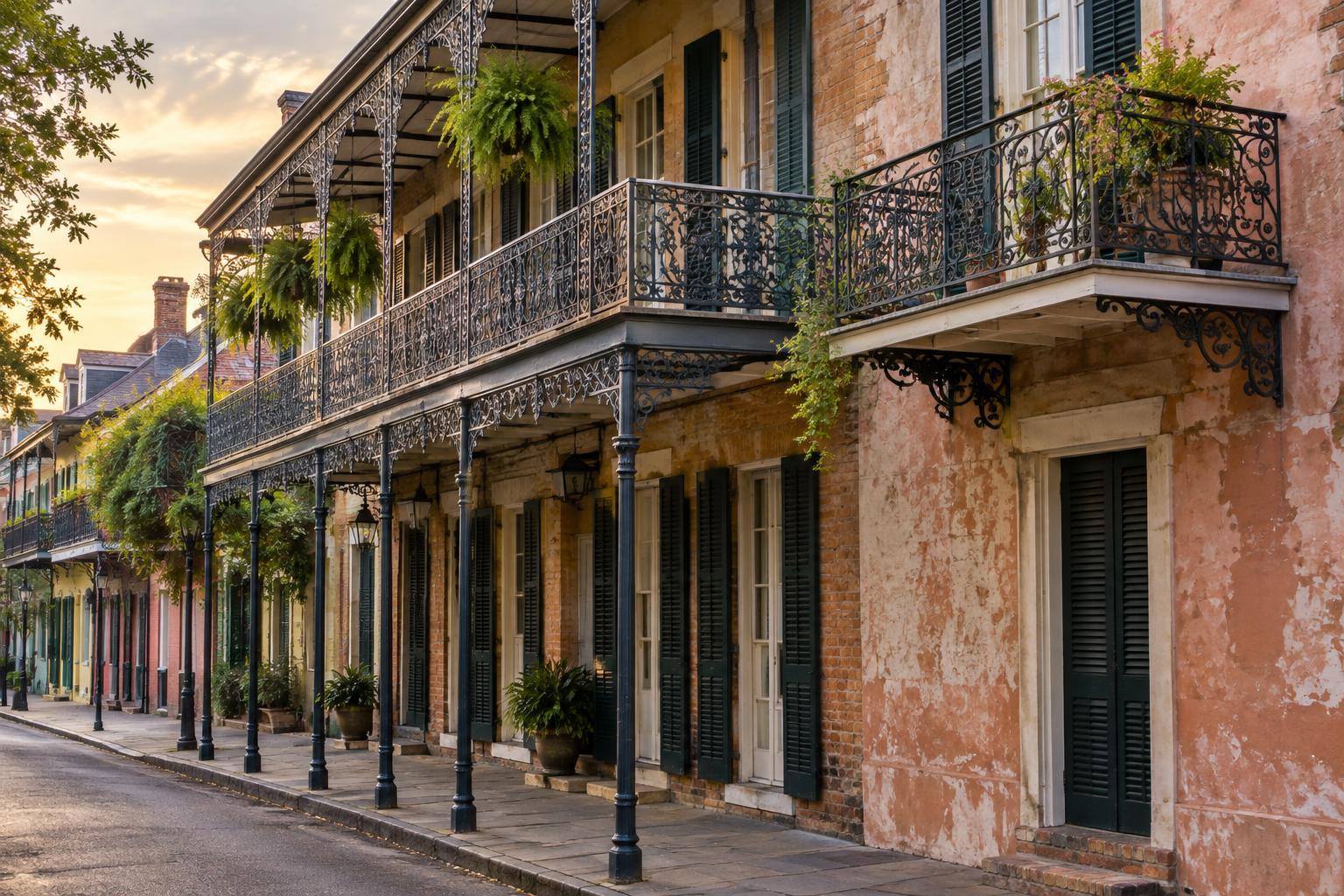
Arts and Local CultureNew Orleans ironwork is more than a decorative backdrop. Learn how balconies differ from galleries, why cast and wrought iron look different, and what these details reveal about the city’s architecture.
Read article · 4 min↗
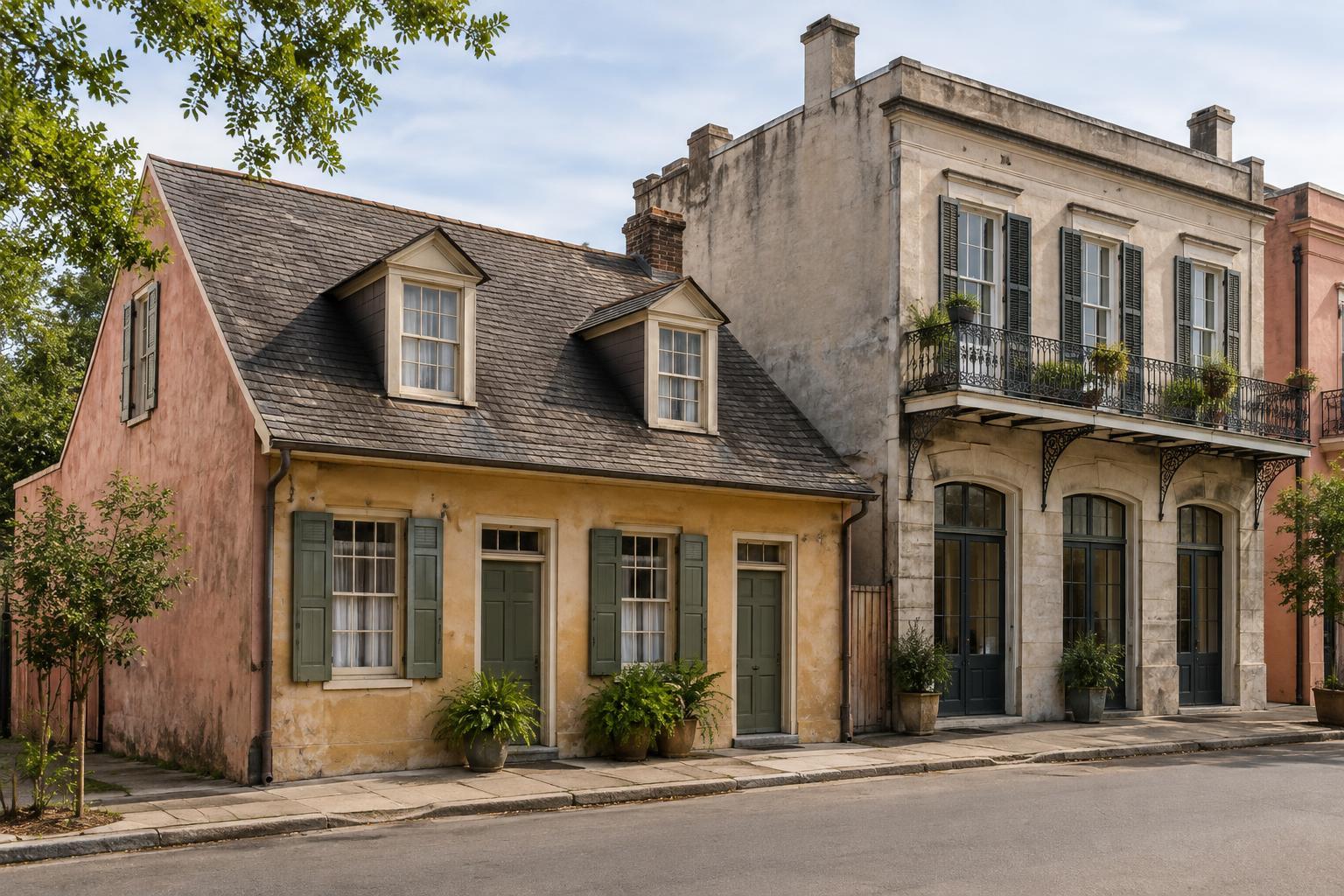
Arts and Local CultureA Creole cottage and a Creole townhouse may both meet the sidewalk, but their height, roofline and ground-floor openings tell different stories. Learn what to look for on a New Orleans walk—and why ironwork alone is a poor guide.
Read article · 4 min↗
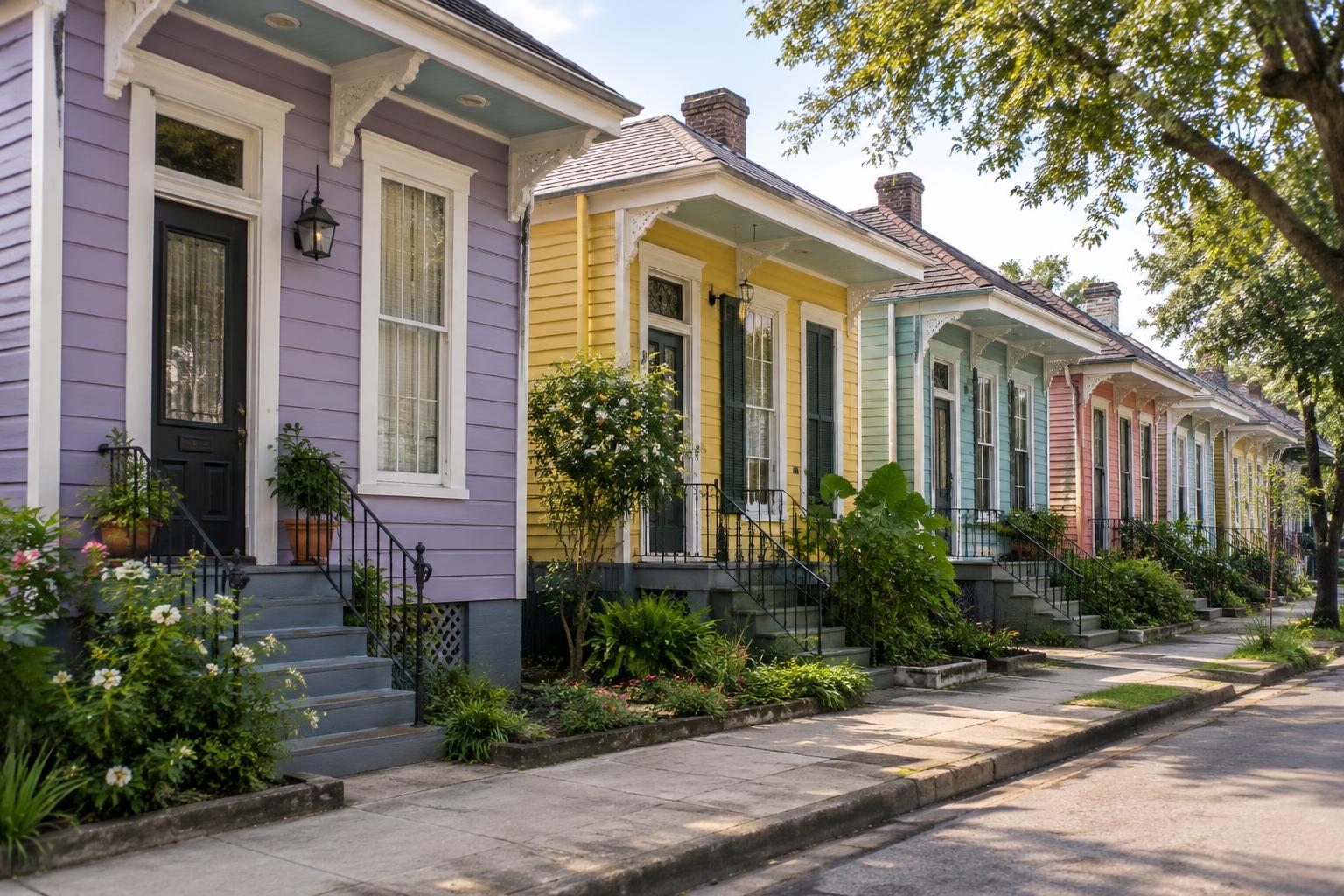
Arts and Local CultureLong, narrow and often painted in memorable colors, shotgun houses are a defining part of New Orleans streetscapes. Learn how their layouts work, why their history resists a single origin story and what thoughtful preservation protects.
Read article · 4 min↗
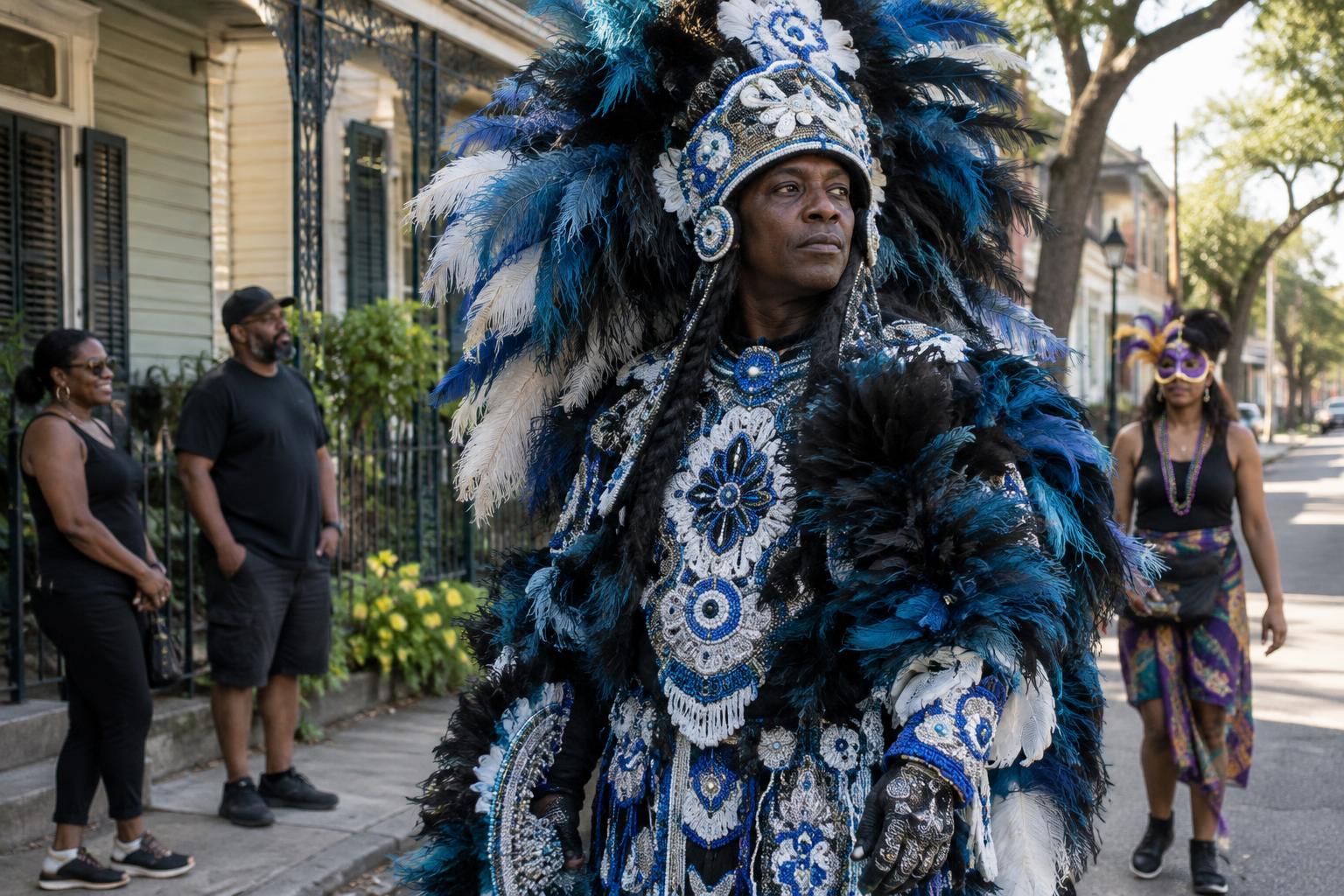
Arts and Local CultureMasking in New Orleans can mean a Carnival costume, a handmade Black masking suit, or another form of public performance. This guide explains the differences and offers practical ways to watch, photograph, and participate with respect.
Read article · 4 min↗
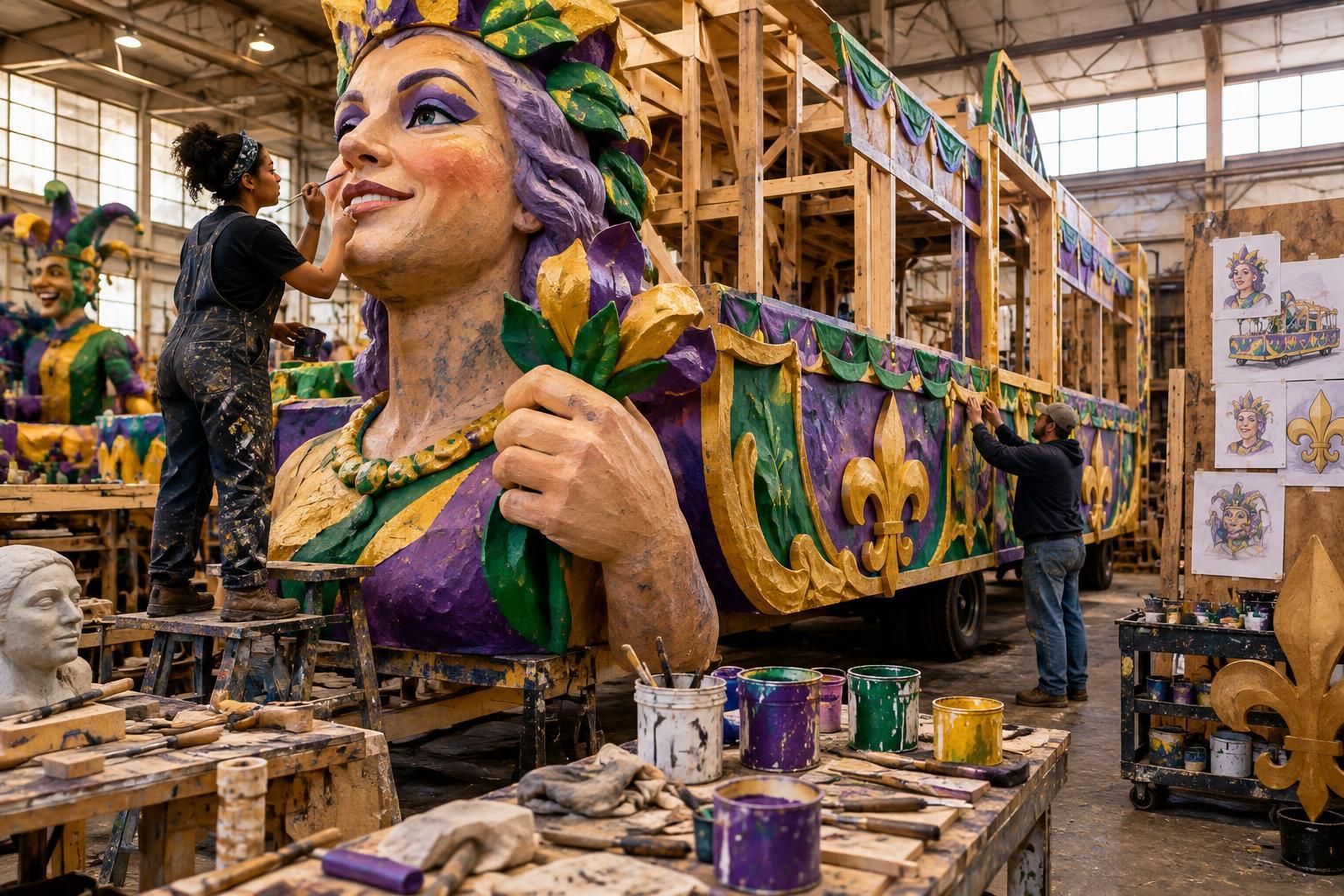
Arts and Local CultureA Mardi Gras float begins long before parade day. From a krewe’s theme and an artist’s sketches to sculpted figures, paint and final checks, here is how builders turn an idea into a moving part of New Orleans Carnival.
Read article · 4 min↗
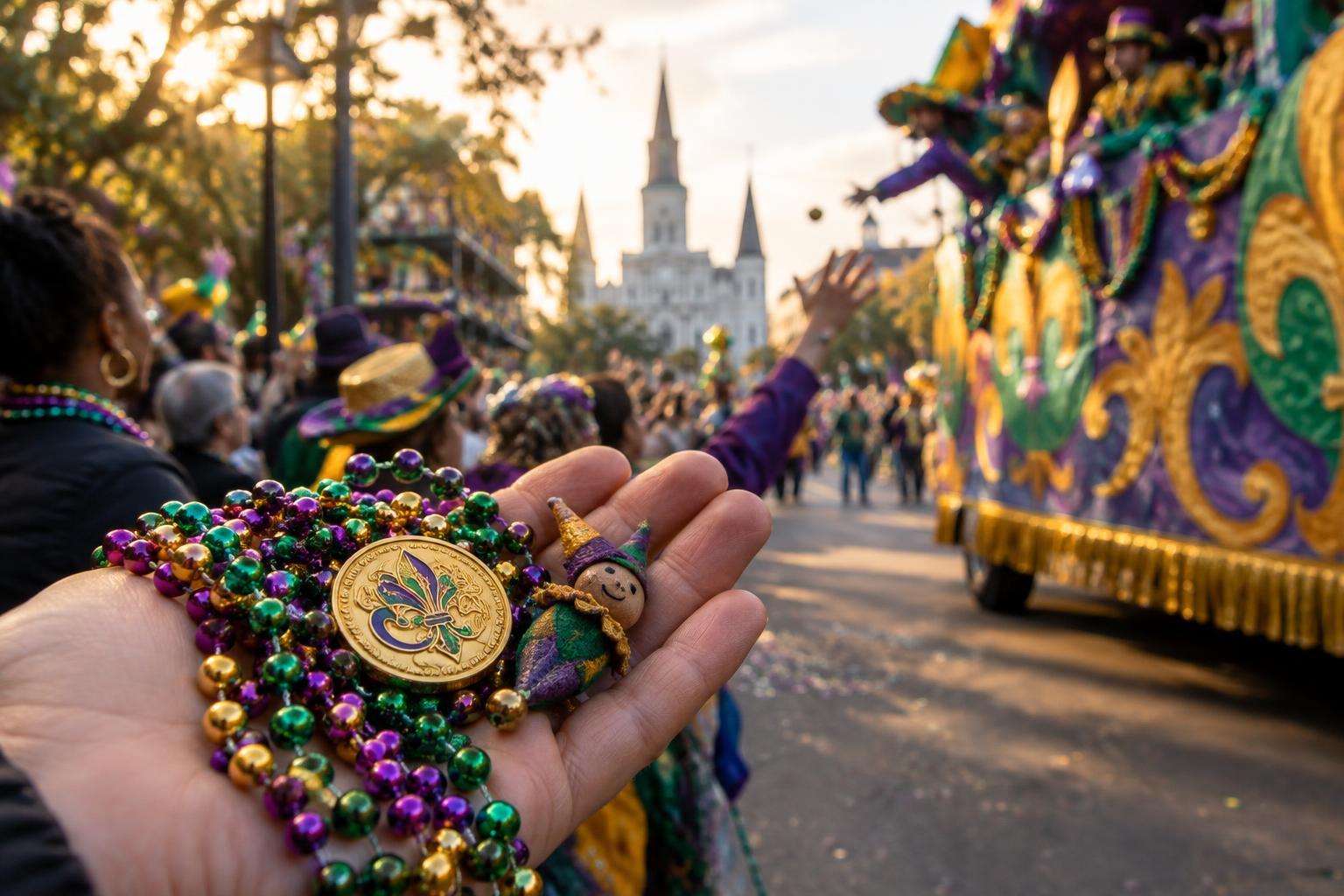
Arts and Local CultureCarnival throws are souvenirs, but they also tell stories about parade traditions, krewe identities and the brief exchange between a float and a crowd. Learn how familiar objects took on meaning—and how to enjoy them respectfully.
Read article · 4 min↗
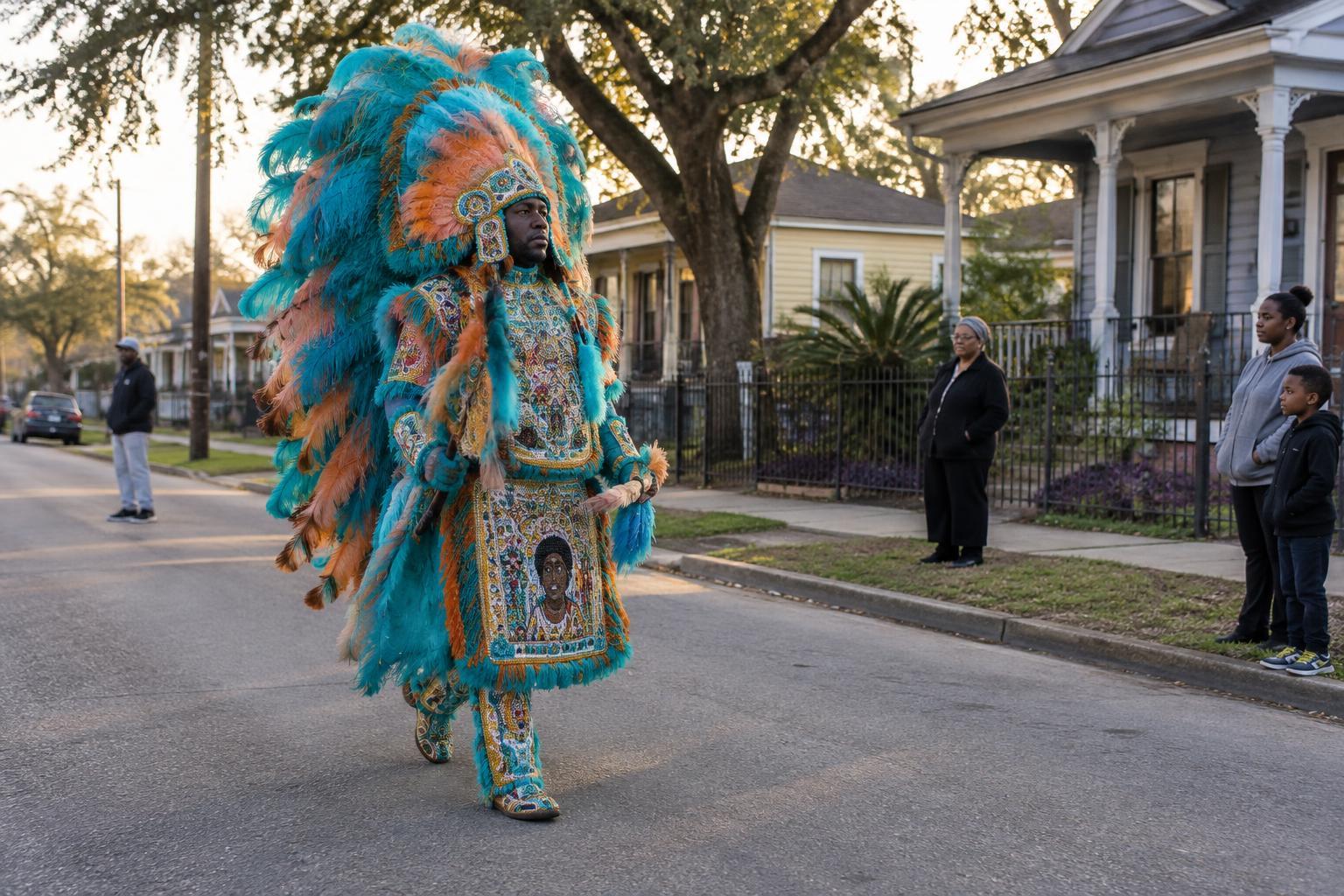
Arts and Local CultureMardi Gras Indian appearances are expressions of community, artistry and tradition—not performances staged for visitors. Learn how to find public moments without assuming a schedule, make room for the people taking part, and photograph with care.
Read article · 4 min↗
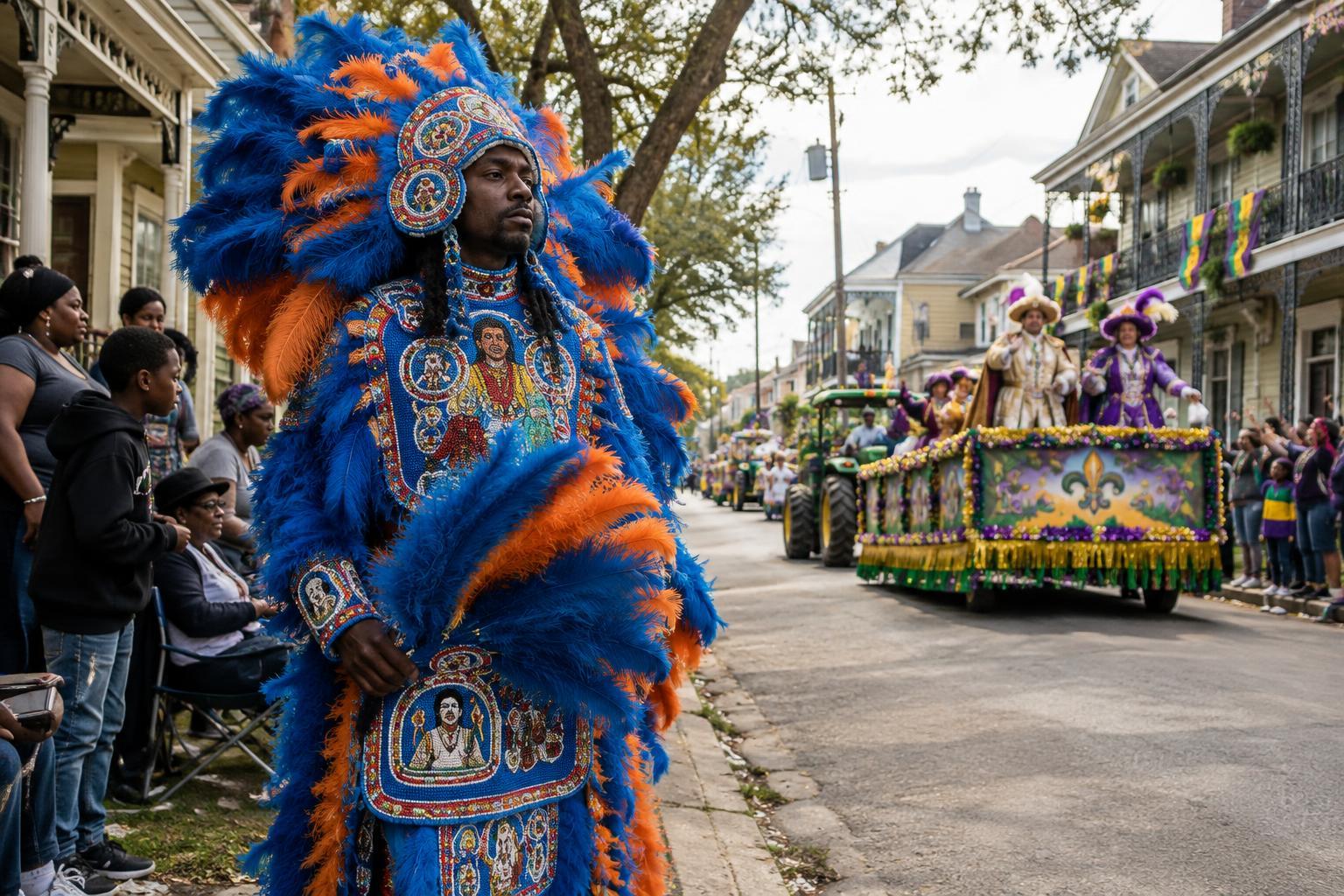
Arts and Local CultureBoth Mardi Gras Indians and Carnival krewes are part of New Orleans celebration, but they have different histories, forms of organization and ways of appearing in public. Here is a respectful starting point for understanding what you may see.
Read article · 4 min↗
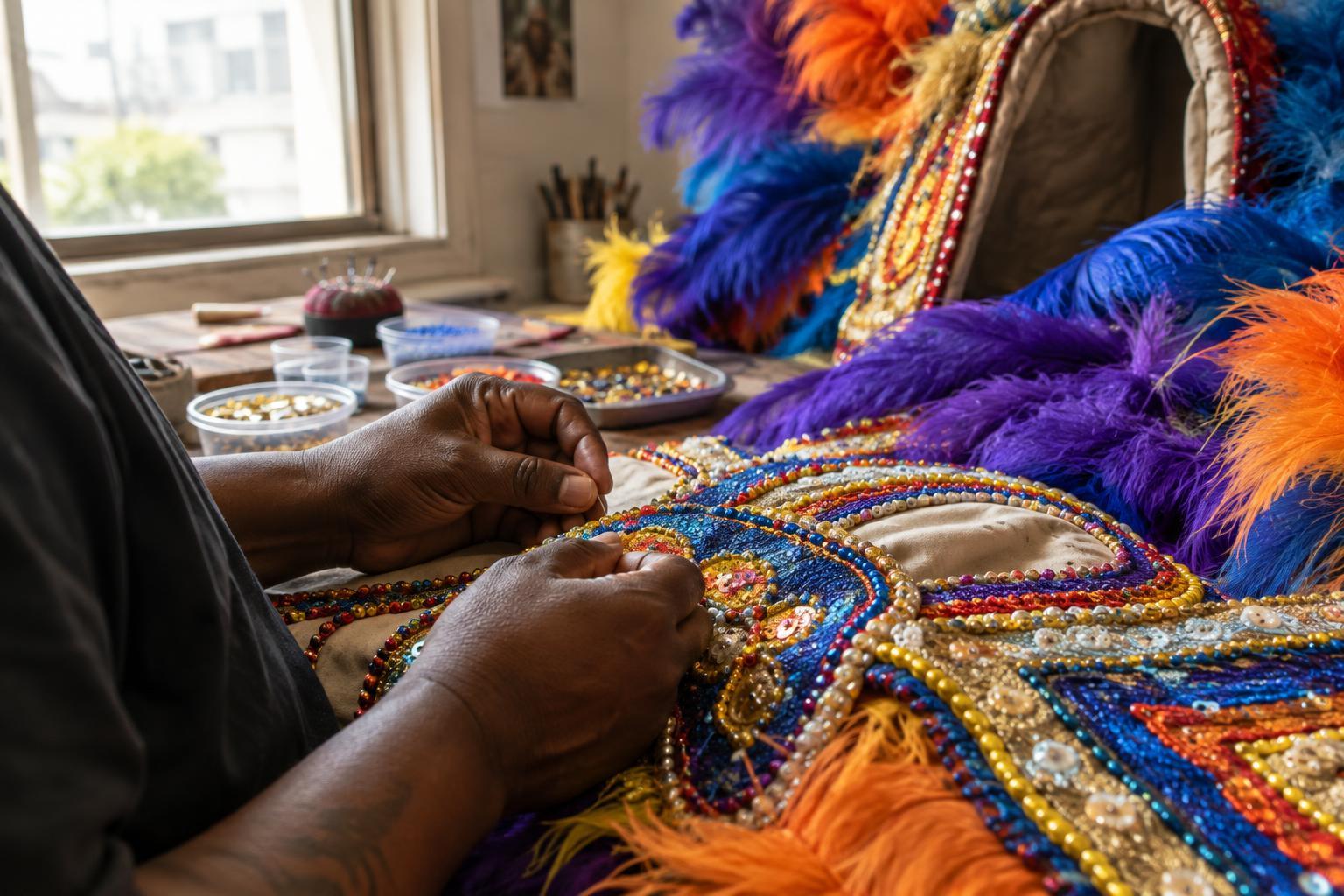
Arts and Local CultureA Mardi Gras Indian suit is more than a dazzling costume. Learn how Black masking artists build intricate panels with beads, sequins and feathers, why designs carry personal meaning, and how to appreciate the tradition respectfully.
Read article · 4 min↗
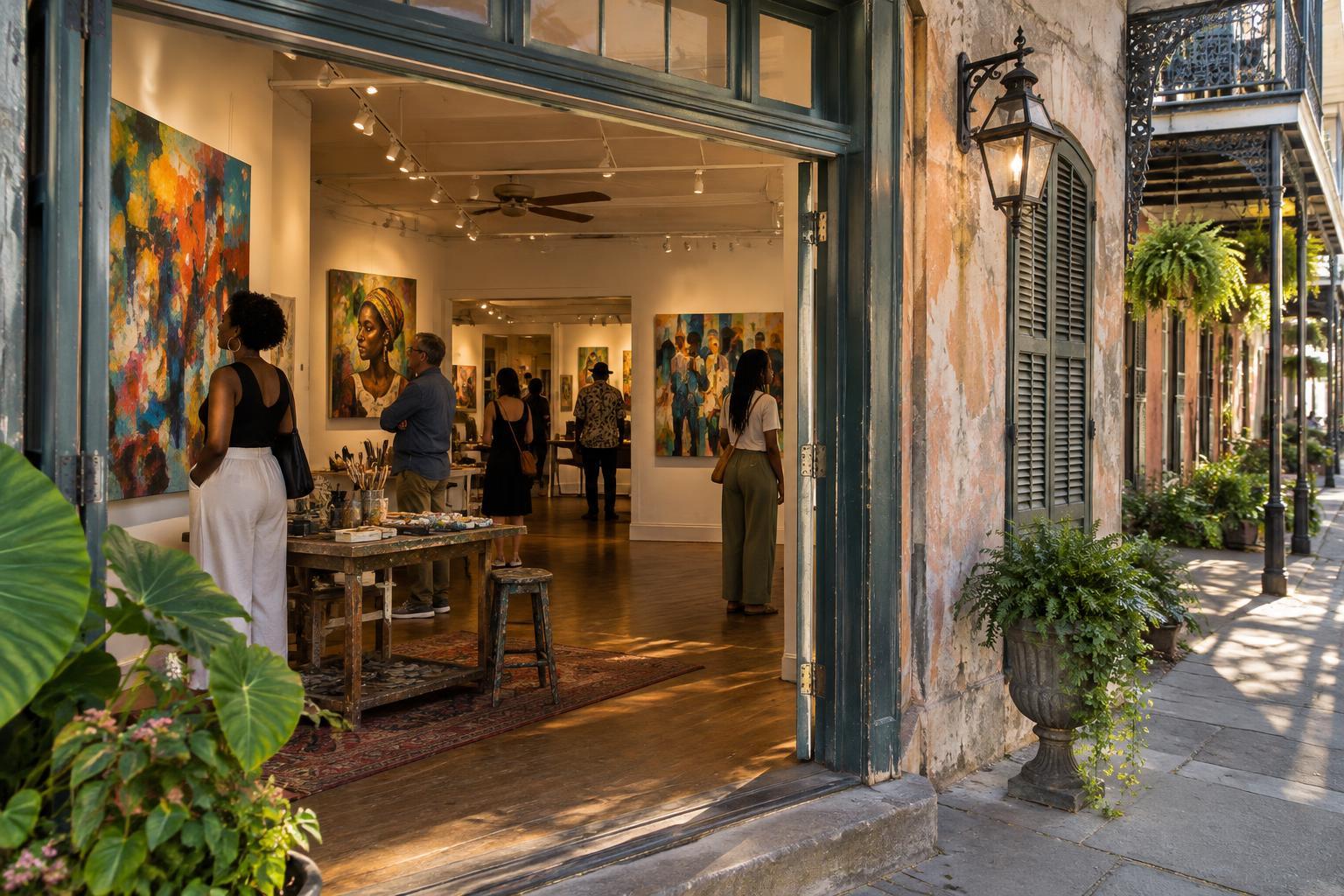
Arts and Local CultureNew Orleans art reflects many histories, not one signature style. Learn how Creole traditions, African American artists and immigrant communities have shaped the city’s visual culture, and how to explore it with curiosity and respect.
Read article · 4 min↗
 Food Traditions