Mistake 1: Treating Voodoo as a spooky tourist theme
Ghost stories, costume imagery and dramatic shop displays can make Voodoo seem like a ready-made New Orleans thrill. That framing misses the people for whom spiritual practices are meaningful parts of life. A visitor can enjoy the city’s storytelling culture while still asking a different question: Am I learning about a tradition, or only consuming a frightening image of it?
Start by leaving movie-style expectations behind. Dolls, curses and sinister ceremonies dominate popular portrayals, but they are a poor guide to the range of beliefs and practices associated with Voodoo in New Orleans. When a tour leans heavily on shock, look for context: Who is telling the story? Does it distinguish documented history from legend? Does it discuss practitioners as people rather than characters?
Mistake 2: Assuming one label describes every tradition
Visitors may hear “New Orleans Voodoo,” “Louisiana Voodoo” and “Haitian Vodou” used close together. The traditions have connections through the African diaspora, but the names are not interchangeable labels for a single, uniform practice. Different communities, families and practitioners may also use words differently. It is better to follow a person’s chosen terminology than to insist on one universal spelling.
New Orleans traditions developed amid histories of enslavement, migration, cultural exchange and religious life in Louisiana. Catholic imagery may appear alongside other spiritual elements in some contexts, but no single object or symbol can explain the whole tradition. A concise exhibit or short tour will necessarily leave things out. Treat it as an introduction, not a complete account.
Mistake 3: Turning historical figures into fictional characters
Marie Laveau is often the first name a visitor encounters. She was a historical New Orleanian, yet stories about her have also accumulated over generations. Repeating every dramatic tale as fact can obscure both her life and the wider community around her. Notice whether a guide separates what is documented, what is commonly told and what remains uncertain.
The same care applies at cemeteries and other sites tied to local memory. A burial place is not a prop, and a grave does not become more meaningful when visitors leave marks or objects on it. Follow posted rules, stay with permitted access and give other visitors room. Respect is more useful than trying to reenact something you saw in a video.
Mistake 4: Expecting a shop or tour to grant access to private practice
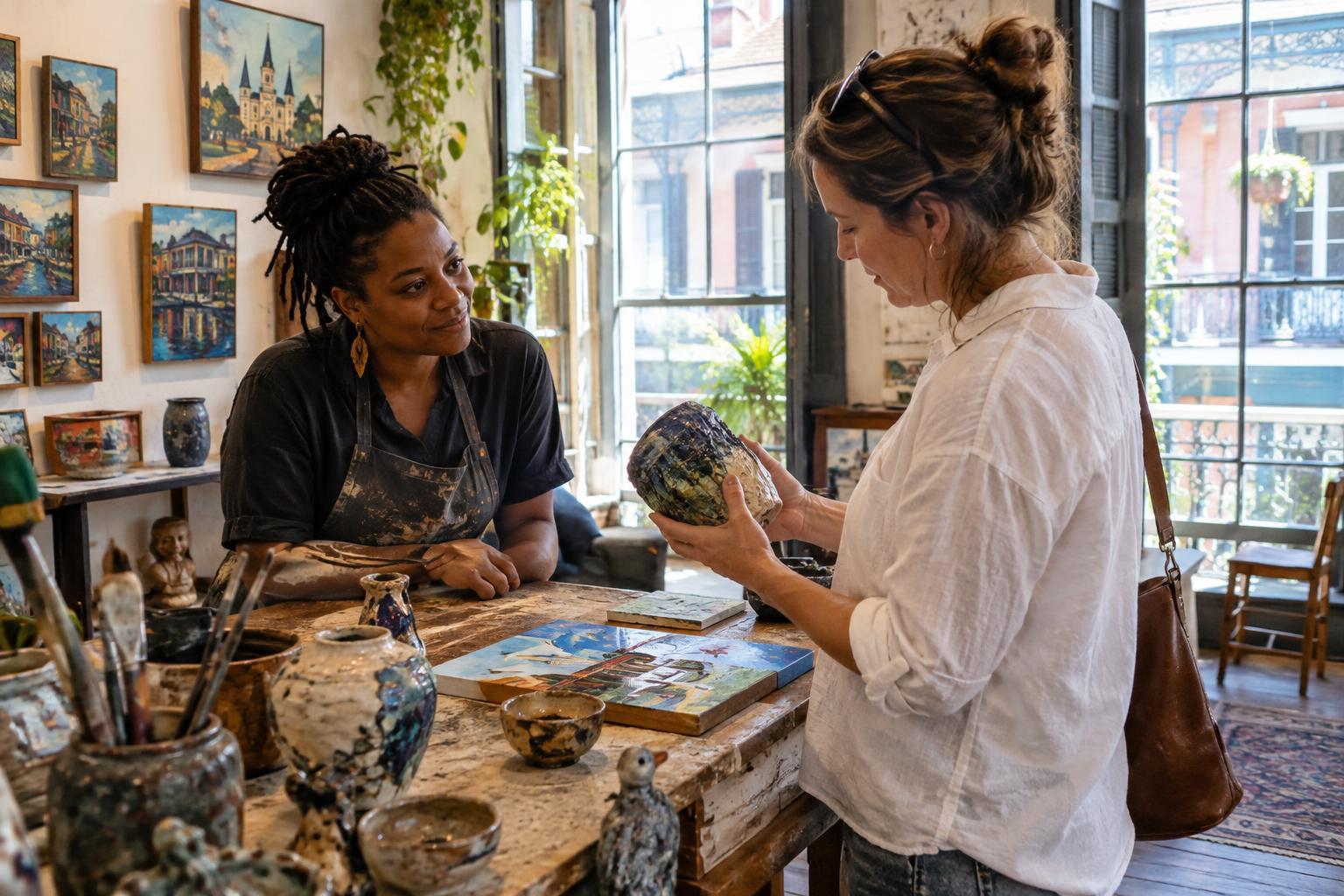
A shop can be a place to browse, ask questions or find books, but its shelves are not a map of everyone’s beliefs. A tour may offer valuable historical interpretation without representing every practitioner. Neither a ticket nor a purchase entitles a visitor to witness a ceremony, photograph an altar or ask someone to explain personal spiritual matters.
Before taking pictures, ask permission—especially when people, devotional spaces or offerings are involved. If photography is declined, accept the answer without pressing. If you want to buy something, ask what it is and how the seller describes it rather than assuming it has a guaranteed effect. Be cautious of anyone who presents spiritual practice as an instant, one-size-fits-all experience.
Mistake 5: Letting curiosity stop at the spectacle
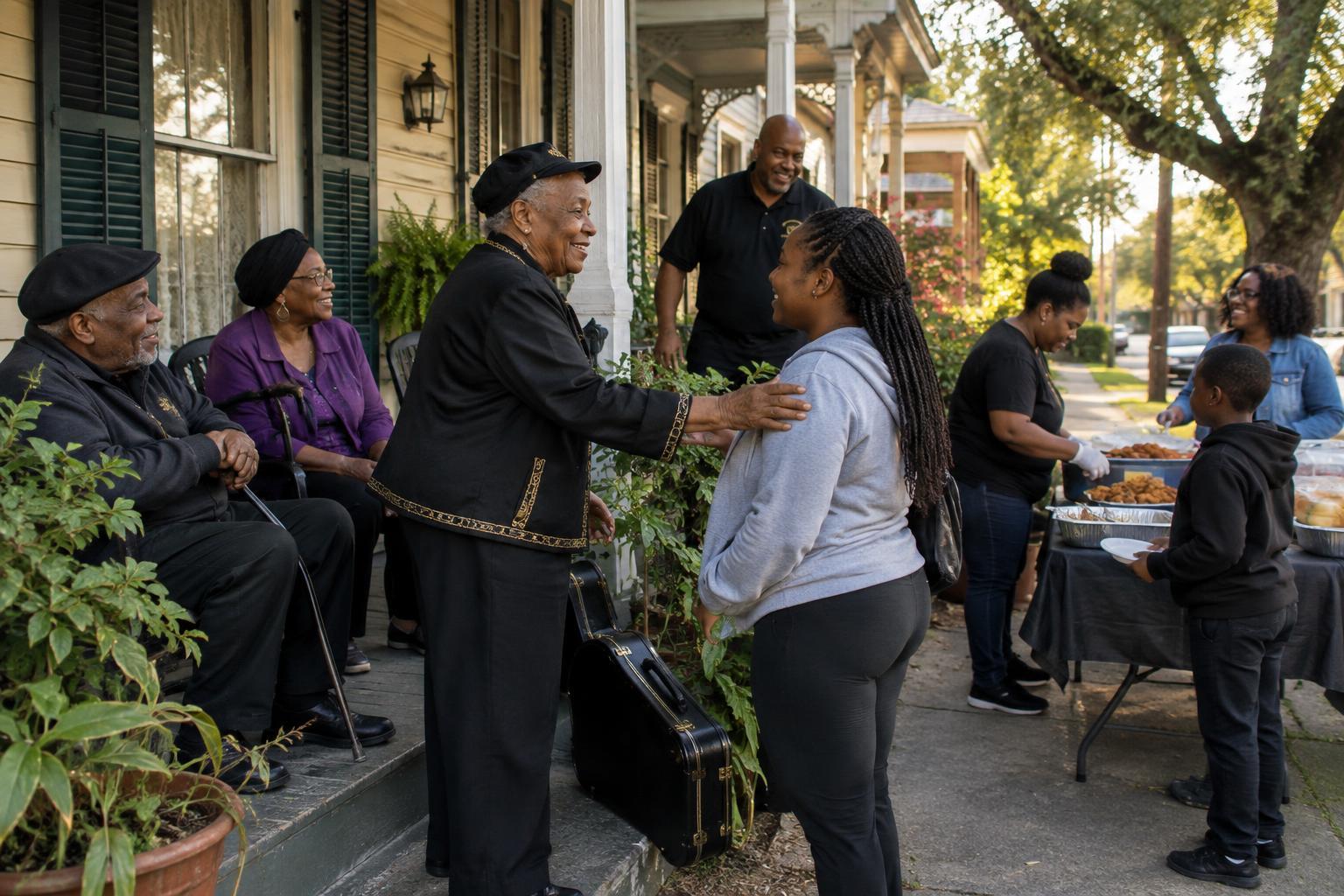
A more rewarding visit connects what you encounter to New Orleans beyond a single attraction. Consider how neighborhood history, music, food, migration and religious life can overlap without being the same story. Look for presentations that give credit to the communities they discuss and make clear when a tale is folklore. If one account sounds absolute, seek another perspective rather than repeating it as settled fact.
You do not need to master a tradition during a short trip. You can listen carefully, use specific language, respect boundaries and remain comfortable with unanswered questions. That approach makes room for New Orleans Voodoo to be understood as more than an image made for visitors—and for the people connected to it to speak on their own terms.