Let the music shape your walk
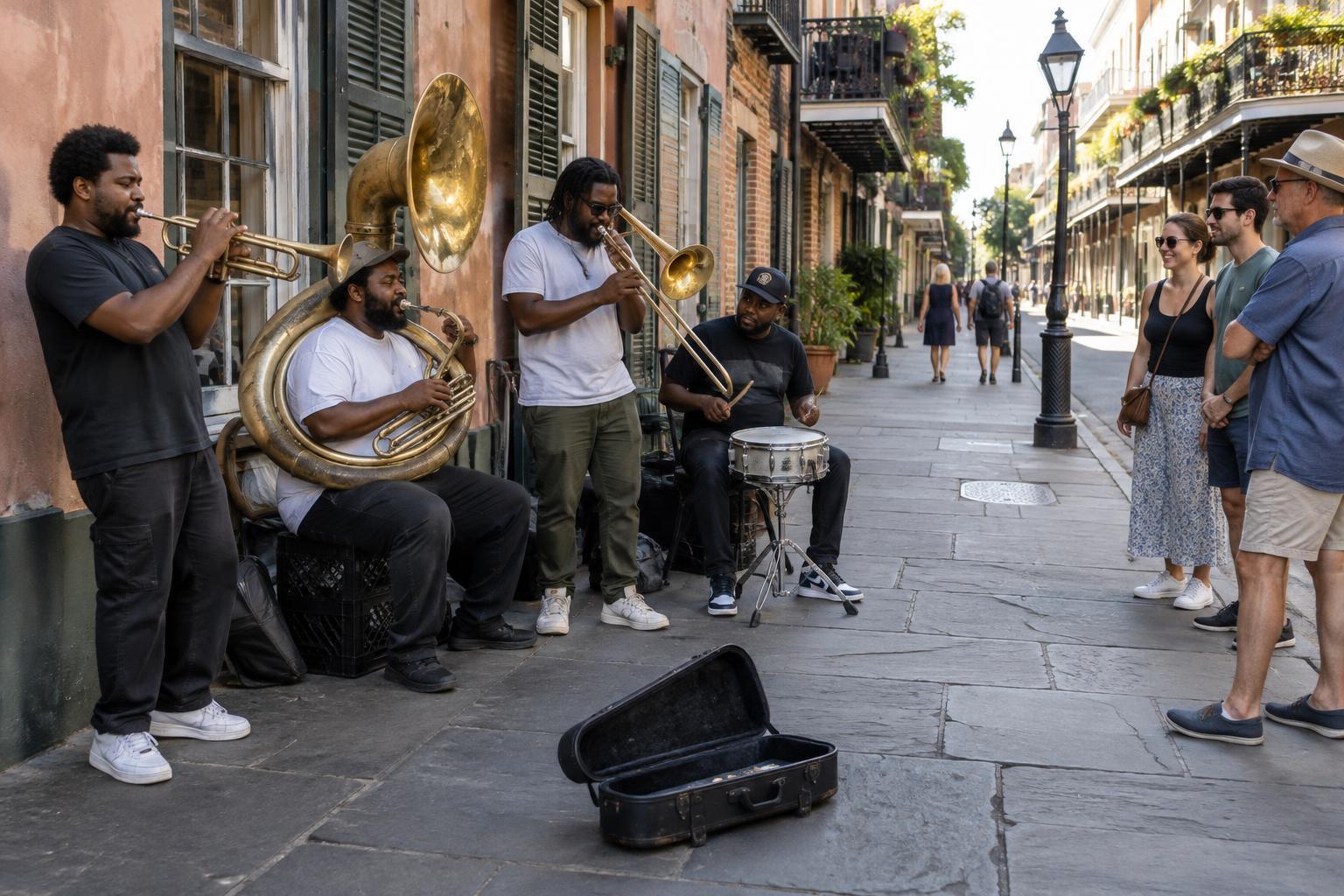
In New Orleans, a song heard from the sidewalk can be as memorable as a planned night out. A brass group, a solo singer or a small jazz ensemble may draw a crowd for a few minutes, then leave the corner quiet again. That unpredictability is part of the experience. Street performances are not a dependable substitute for a ticketed show, and a spot that was lively on one visit may have no music on another.
If you hope to hear performers, leave space in your plans to wander rather than building an itinerary around a particular corner or hour. Conditions, weather and the needs of musicians all affect where and when people play. Listen to what is happening around you, and treat any performance you find as an encounter in a shared public place, not a show arranged just for you.
Places to start listening
The streets around Jackson Square are a natural starting point for a walk through the French Quarter. Musicians and other artists may be present nearby, while the square itself and its approaches draw people moving in many directions. Pause where you can see and hear without cutting off access to gates, benches or sidewalks. From there, Royal Street offers another walking route where you may come across music alongside galleries and shops. Keep an eye on crossings and business entrances as you listen.
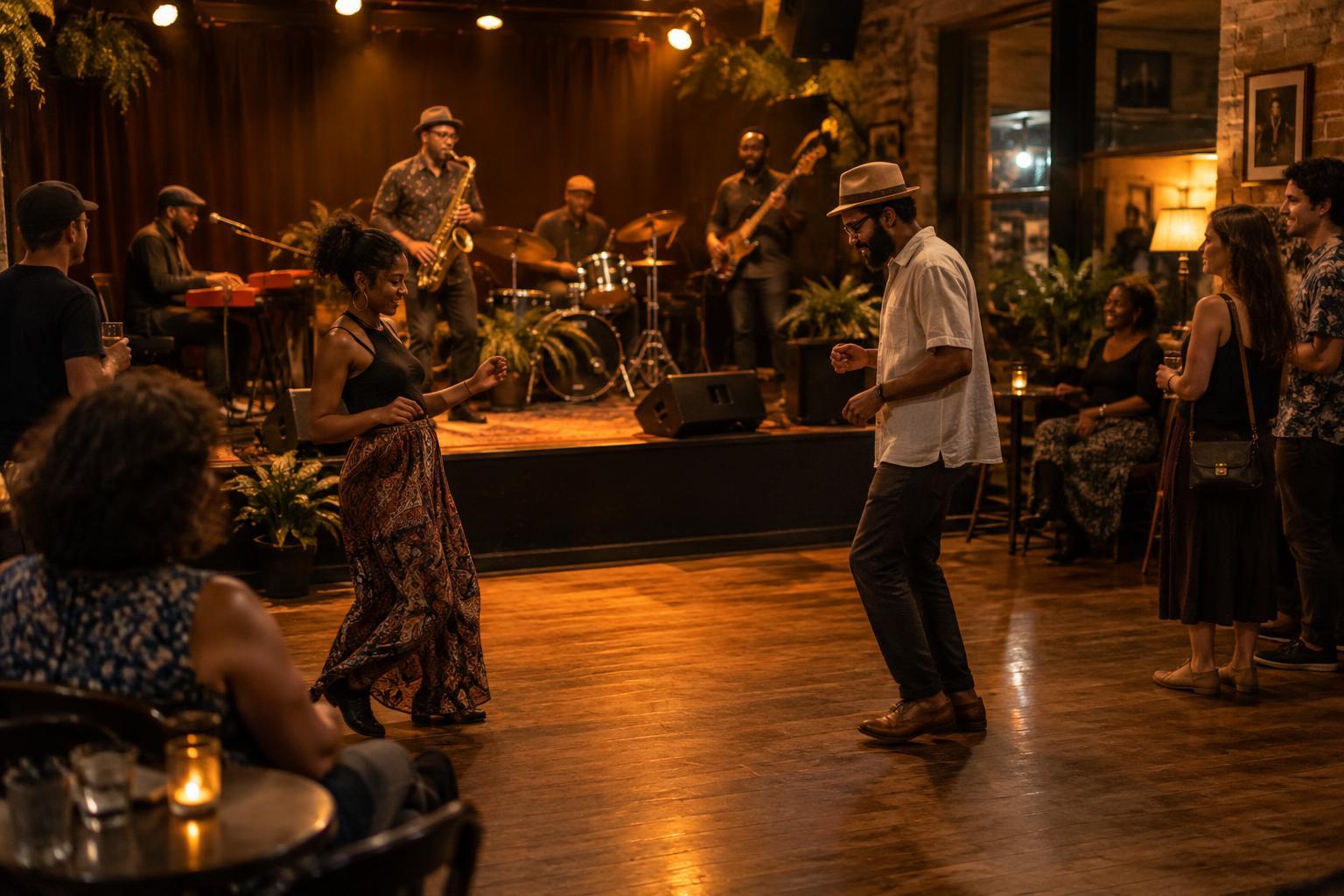
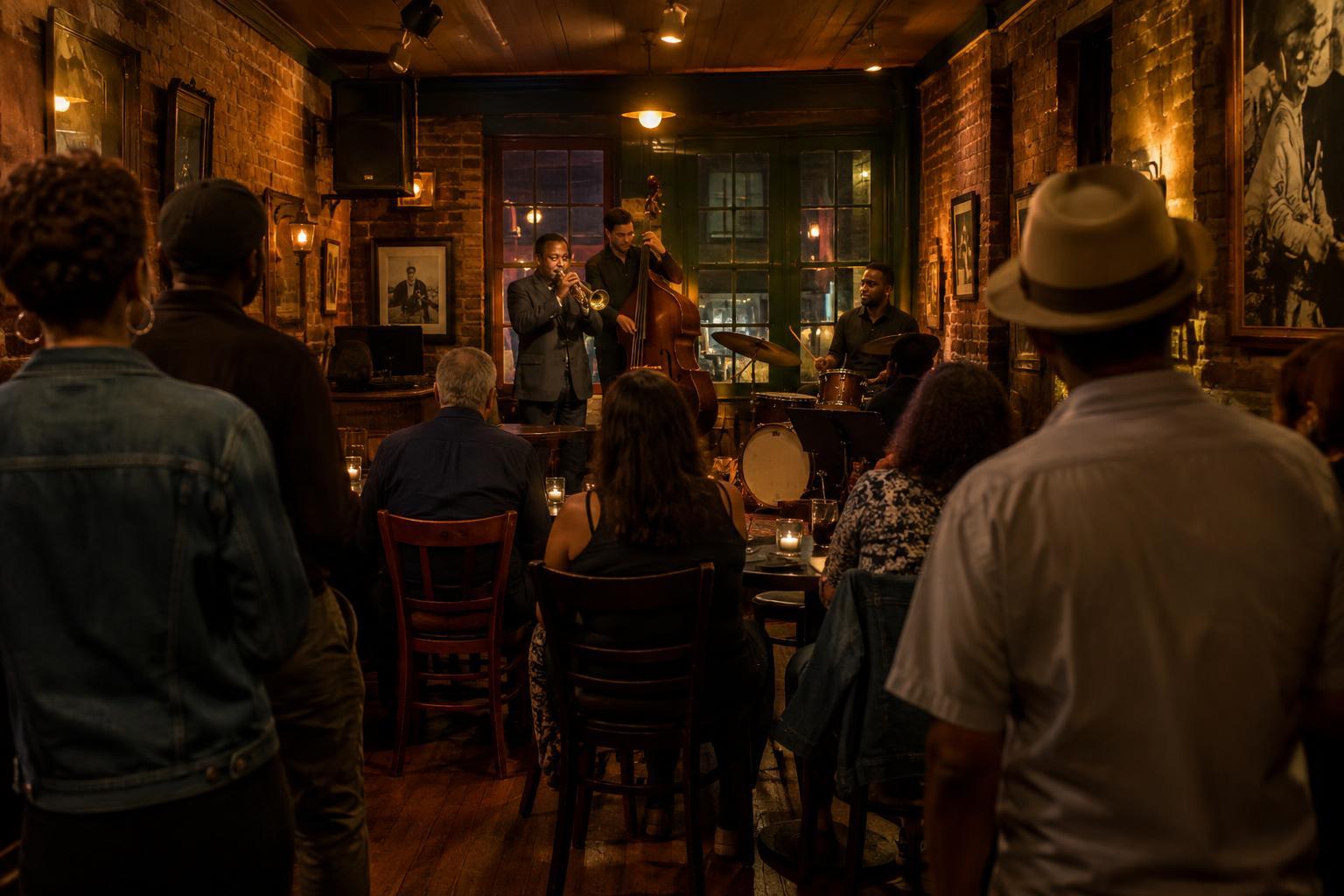
Frenchmen Street is often associated with live music, including sounds that spill into the street as people move between venues. It can be busy, especially when many people are out for the evening. A walk there may offer a mix of street performances and music from indoor spaces, but it is worth keeping those experiences distinct: hearing a band from outside does not mean a venue has no cover charge or that its entrance is a place to gather.
These are starting points, not a promise of performances or a complete map of the city's musicians. A quieter block can be enjoyable without a soundtrack. If you want a specific artist or style, look for a performance they have announced rather than relying on a chance encounter.
Make room for the audience that did not stop
A crowd can form quickly around a good set. Before stopping, look behind you: can someone using a wheelchair, pushing a stroller or carrying supplies still pass comfortably? Stand to one side, avoid spreading a group across the sidewalk and keep doorways, ramps and curb cuts clear. If there is not room to watch without obstructing others, listen as you walk or find another vantage point.
Give performers enough space to play and pack up. An instrument case or tip container is part of their working area, not a boundary to step over for a better photo. Keep children close enough that they will not wander into equipment, and be mindful of traffic when a crowd gathers near an intersection. Even an exciting performance does not make the street around it stop functioning.
Support musicians without making assumptions
If you stay for a set and enjoy it, a tip is a direct way to show appreciation. Carrying a little cash can make that easy; some performers may offer another payment option. Give what feels comfortable, without treating a tip as a purchase of a particular song or an invitation to interrupt. A brief word of thanks when there is a natural pause can mean more than shouting a request while someone is playing.
Ask before taking a close-up photo or recording video, particularly if you plan to post it. Performers may welcome sharing, prefer a credit, or ask not to be filmed. Respect the answer. If you do share a clip with permission, identify the musicians when you know their names rather than presenting their work as anonymous atmosphere. The same courtesy applies to other people in the crowd who may end up in your frame.
Carry the courtesy beyond the set
Street music happens alongside homes, workplaces, shops and people trying to get somewhere. Keep conversations at a reasonable volume when you move on, dispose of cups and wrappers properly, and avoid turning a nearby stoop or doorway into an audience seat. If a space feels crowded, moving along is often the simplest way to make it more comfortable for everyone.
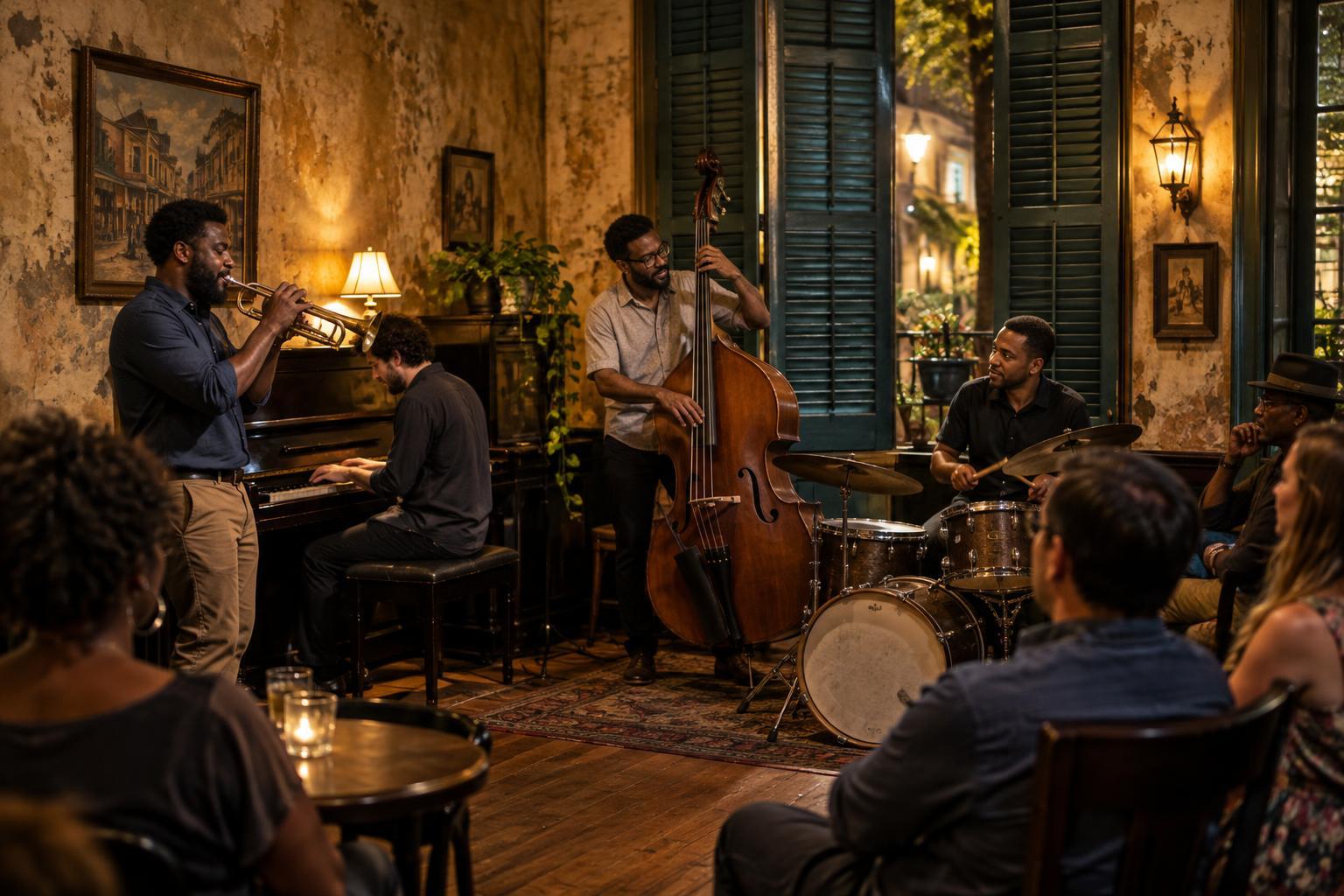
For a fuller evening of music, pair a spontaneous listen with a planned venue visit. Check the venue's own information for admission details and performance times before you go; schedules can change. That approach leaves room for surprise on the sidewalk while supporting musicians in other settings, too. The best street-music walk is not measured by how many performances you collect, but by whether musicians, neighbors and passersby can all keep sharing the city.