Two ways to hear live music
A ticketed performance usually centers on a scheduled artist or group playing a planned set. You may know who is onstage, when the show starts, and what admission includes before you arrive. A jam session is generally more fluid: musicians gather to play together, often with a host or house band guiding the night. Players may join or leave, songs may be chosen in the moment, and the music can change direction quickly.
Neither format guarantees a particular sound or mood. In New Orleans, a ticketed show can feel loose and conversational, while a session can feature musicians playing with striking focus. The useful distinction is how much of the evening is planned. Choose a ticketed show when a particular performer or a predictable start matters most. Choose a session when you want to hear musicians respond to one another and are comfortable with some uncertainty.
What the room may feel like
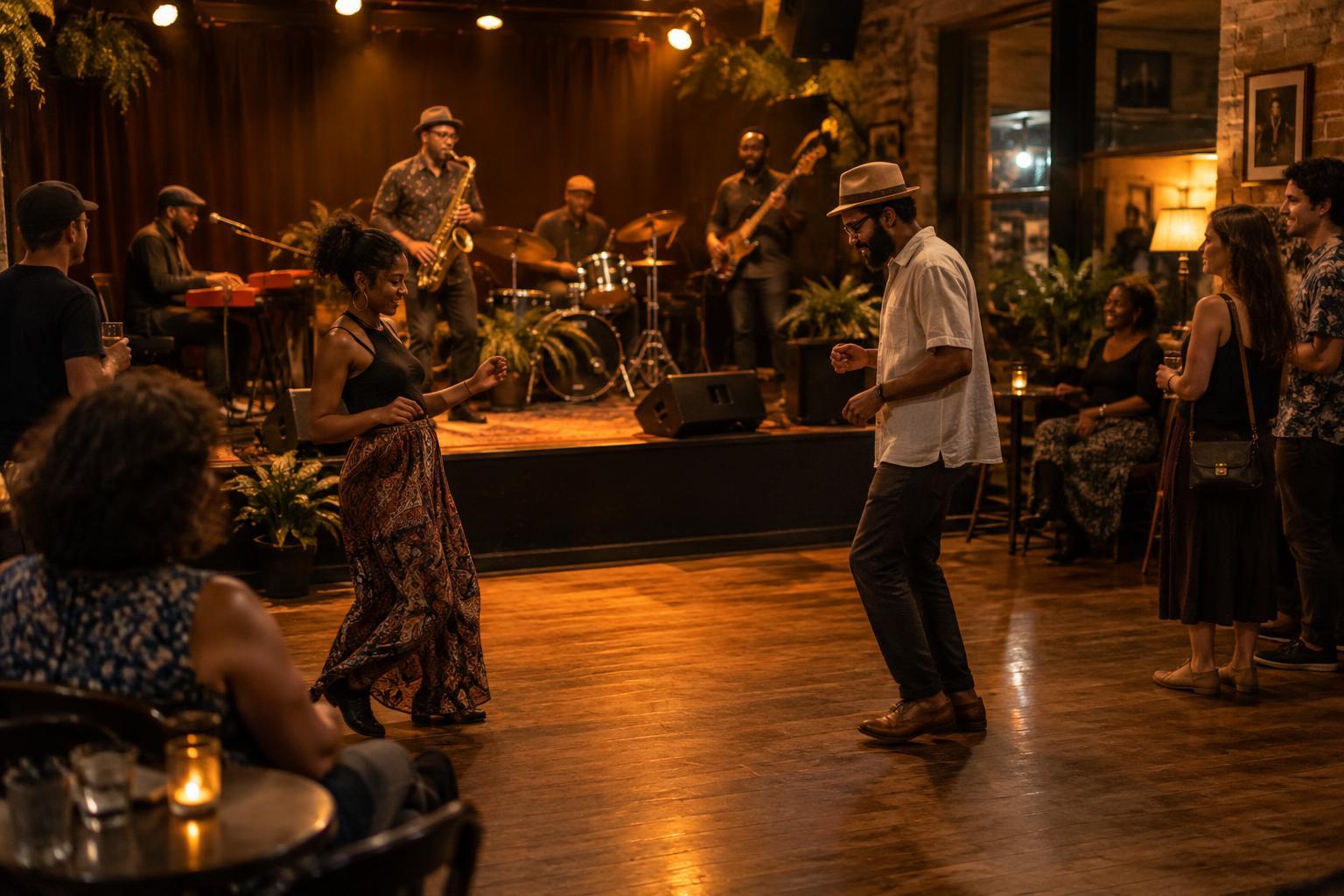
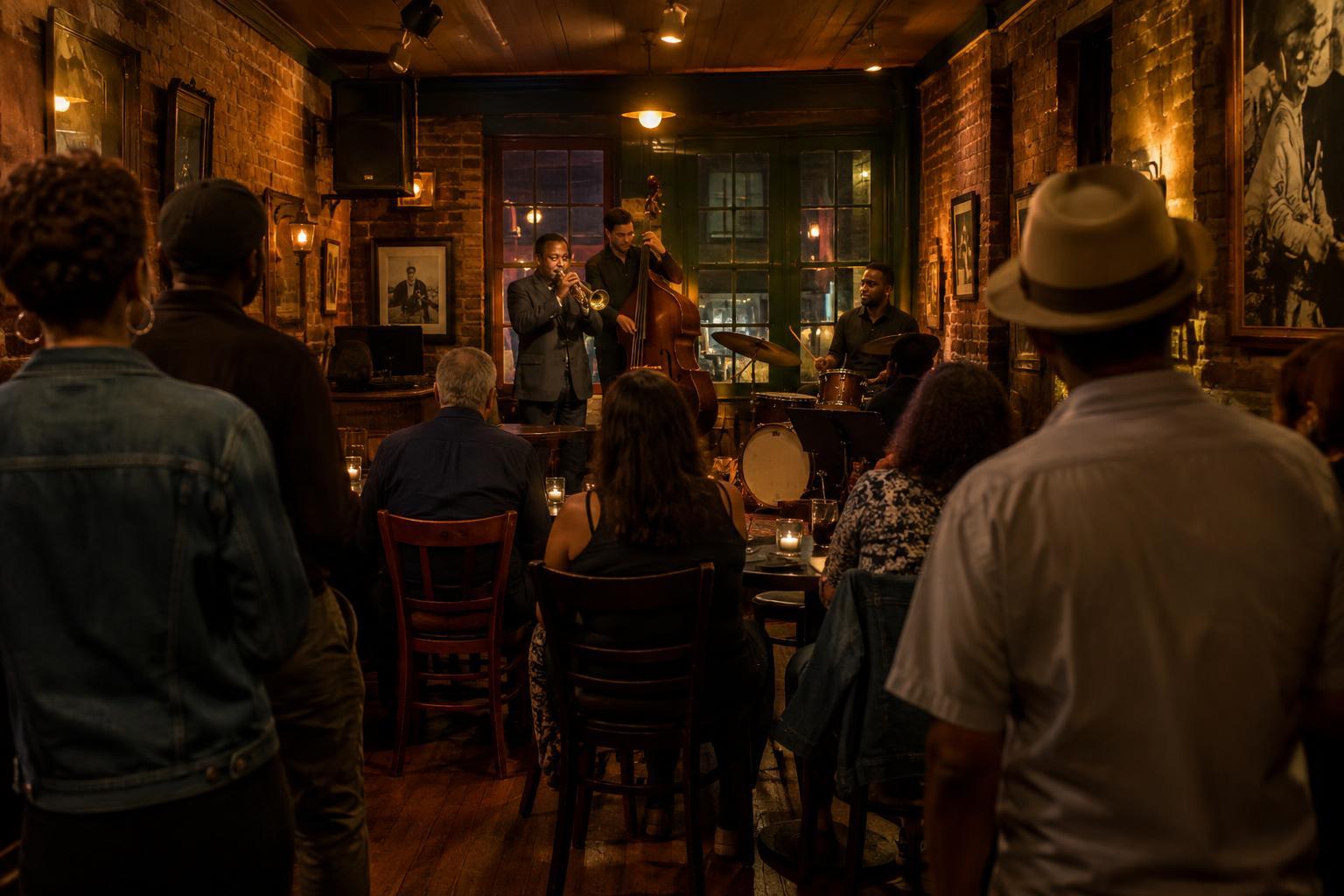
At a ticketed show, the audience is usually there to hear the advertised act. Depending on the venue, you might find assigned seats, standing room, table service, or space for dancing. The set may begin close to the listed time, but doors, support acts, and breaks can affect the length of your night. Read the event details rather than assuming that a ticket buys a seat or that the music starts when doors open.
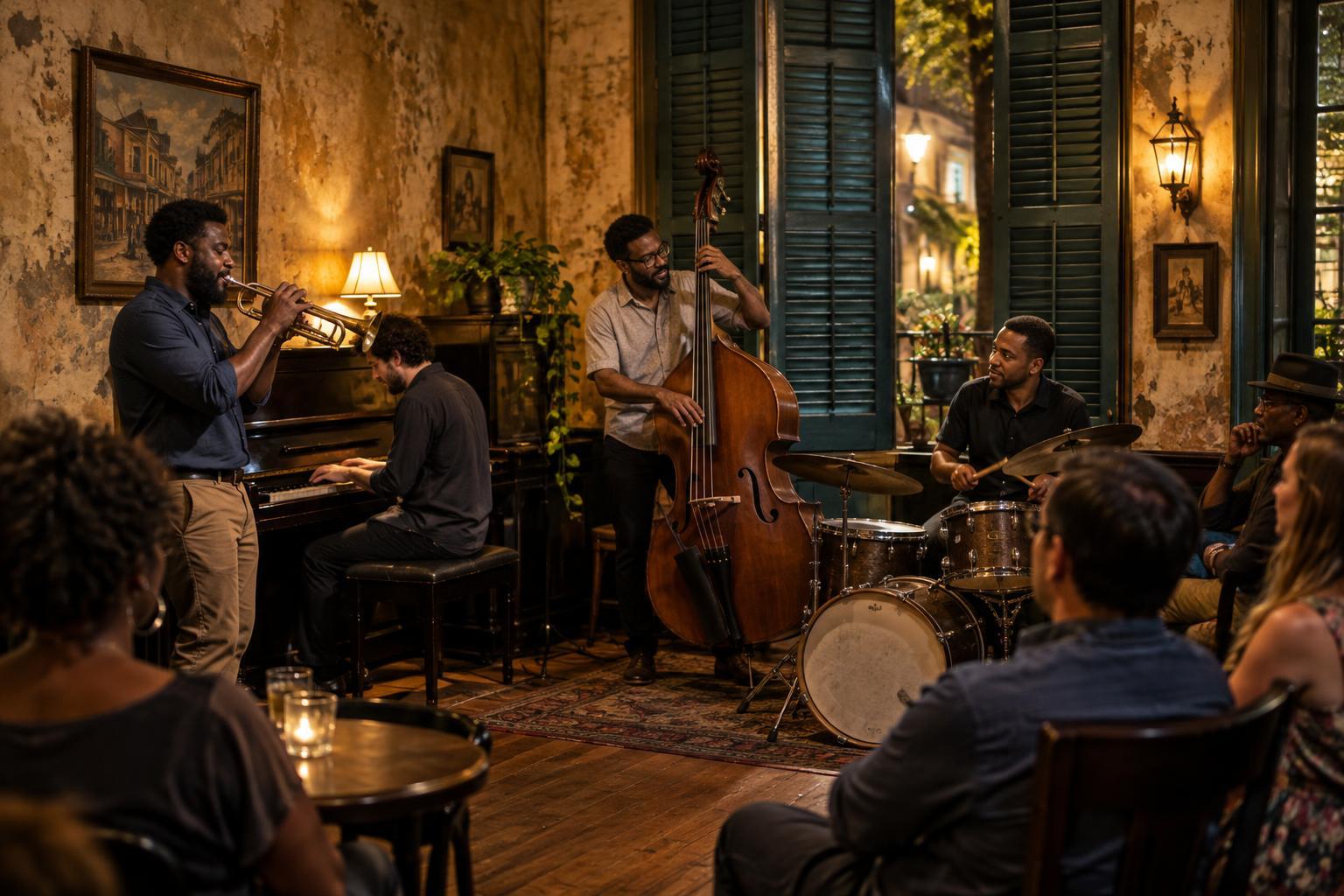
A jam session may feel more like an ongoing gathering. There might be stretches when the host band plays, pauses while musicians change places, or shifts styles as new players step in. Some rooms are attentive listening spaces; others have a social buzz. If you arrive during a changeover, give it a little time before deciding what the night is like. If you need a quiet seat and an uninterrupted set, a session may not be the easiest choice.
Admission, spending, and access
A ticket makes the admission cost clearer, but check for service fees, age restrictions, seating rules, and any food or drink minimum before buying. At a session, entry might involve a cover charge, a suggested contribution, or another arrangement set by the venue. Do not assume that “jam” means free. In either setting, tipping musicians when there is an opportunity is a direct way to show appreciation, though it is not a substitute for paying a stated cover.
Plan for the practical details that shape a night out: how you will get home, whether the room is accessible for your needs, and whether you will be comfortable standing. Venue policies, lineups, hours, and session formats can change. Check the venue or organizer’s current information before you go, and ask directly if a detail matters to your plans.
How to be a good audience member
In either room, follow the audience’s lead without losing sight of the musicians. Keep conversation low when the music calls for listening, avoid blocking someone’s view for a photo, and respect any recording policy. Applause, dancing, and call-and-response may be welcome in one setting and distracting in another. Watch how the room responds, especially if you are unfamiliar with the style being played.
At a jam session, do not treat the stage as an automatic open invitation. Some sessions welcome visiting players; others are organized for invited musicians or have a sign-up process. If you hope to participate, find out how that particular session works before bringing an instrument forward. Listen first, speak with the host when appropriate, and accept their decision about who plays. Being a good guest includes leaving room for the musicians who make the session possible.
Which night should you choose?
Book a ticketed show if you have limited time, are traveling with someone who needs a clearer plan, or want to hear a specific artist. Look closely at the billing: a named headliner, a multi-act night, and a general admission dance show can be quite different experiences. For a group, agreeing on expectations about seating, volume, and departure time can prevent frustration later.
Try a jam session if discovery is part of the appeal. Go with enough flexibility to stay through a few changes in the lineup, and treat an unfamiliar song or player as part of the experience rather than a detour from it. You do not have to choose one format for your whole visit. A planned show can anchor an evening, while a session on another night can offer a different view of musicians making music together.