Start with the kind of night you want
Choosing where to hear live music in New Orleans is not only a question of genre. The same style of music can feel entirely different in a small room where the band is a few steps away, a busy bar where conversation carries across the floor, or a larger space built for a crowd. Before picking a venue, decide what matters most: close attention to the performance, room to dance, an easy conversation between sets, or a dependable place to sit.
Think about your whole group rather than its most enthusiastic member. Someone who loves a packed dance floor may be delighted by a standing-room show; someone hoping to rest their feet may have a harder time enjoying it. If you have only one night out, choose the setting you are most likely to enjoy, not simply the room with the biggest name on the bill.
Match room size to your energy
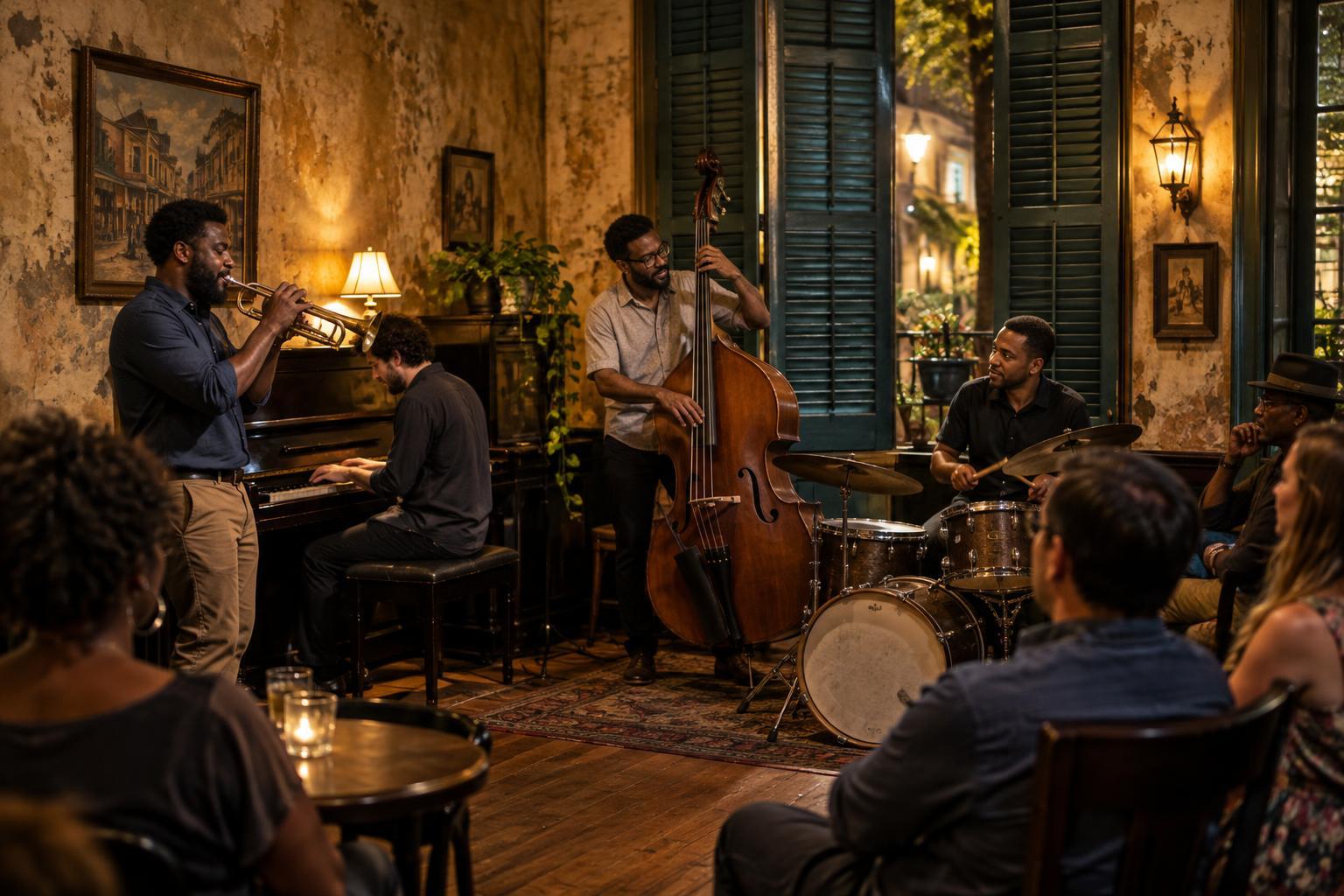
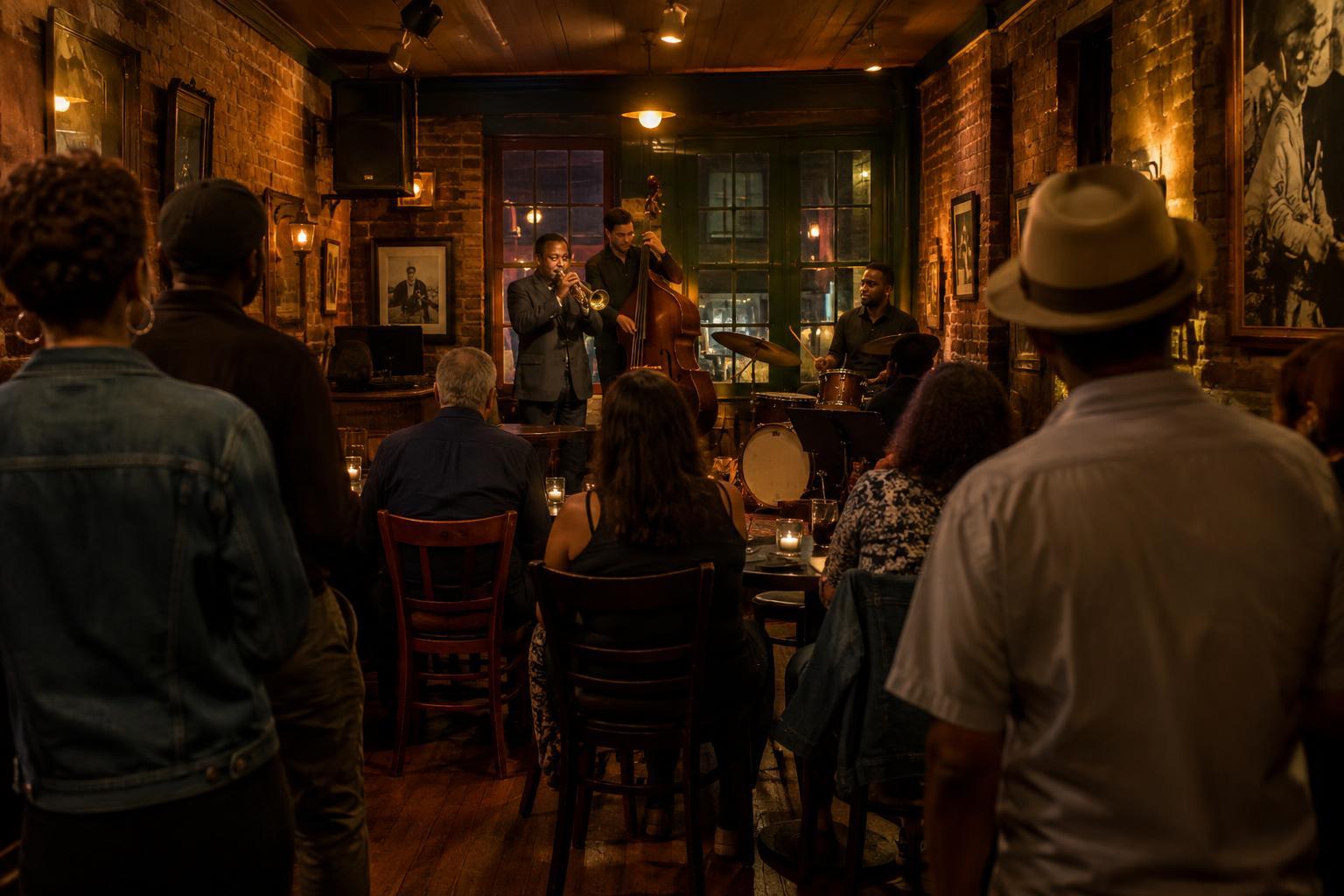
A small room can make a performance feel immediate. You may notice the musicians responding to one another and to the audience, but you may also be close to speakers, other guests and the flow of people entering or ordering drinks. In a compact space, arriving early can give you more choice about where to stand or sit. Check whether admission guarantees a seat; a photo of tables does not necessarily mean a chair comes with every ticket.
Mid-sized and larger rooms may offer more space to move, though your view and sense of connection to the stage will depend on the layout. A larger room is not automatically less personal, and a smaller one is not automatically quieter. Look for photos of the performance area and audience, then consider whether you would enjoy the show from the back as much as from the front. If being near an exit or away from a crowd matters to you, make that part of your choice from the start.
Plan for volume without guessing from the genre
Volume can vary with the band, sound system, room surfaces and where you stand. A seated performance might still be loud near a speaker; an energetic set may feel more comfortable farther back. Descriptions such as “intimate” or “listening room” can suggest an atmosphere, but they are not reliable measures of sound level. If you are sensitive to volume, bring earplugs and avoid treating a seat beside the stage as the best seat by default.
Ask the venue about its usual setup for the specific show if sound level is an important concern, while recognizing that staff may not be able to promise a precise experience. Once inside, notice where speakers point and whether there is another spot you can move to if needed. Protecting your comfort is not a failure to appreciate the music; it gives you a better chance of staying for the full set.
Read the seating details closely
“Seating available” can mean several things: reserved seats, first-come chairs, tables tied to a reservation, barstools or a few places to sit between stretches of standing. Check the event listing and the venue’s own information before you go. If the distinction is unclear, ask whether you can book a seat, whether there is a minimum purchase, and whether people are expected to remain seated during the performance.
Sightlines matter as much as chairs. A table beside a busy walkway may feel different from one facing the stage, and a balcony or raised area may involve stairs. For accessibility needs, contact the venue directly about step-free entry, accessible seating, restrooms and how to arrange assistance. Those details can differ by room and event, so it is better to confirm them than to rely on a general description.
Make a final check, then settle into the room
Before heading out, verify the show time, admission details, age policy and any reservation requirements through the venue or event organizer. Ask about set times if arriving for a particular performer is essential; a door time and a music start time are not always the same thing. Leave some flexibility in your plans so a line, a delayed start or a room that feels fuller than expected does not derail the evening.
Once the music begins, follow the room’s cues. A listening-focused space rewards quiet attention, while a dance-oriented floor invites movement without blocking everyone else’s view. Keep conversation away from the stage during quieter passages, make space for staff and other guests, and tip musicians when there is an appropriate opportunity and you are able. The best venue is the one where you can enjoy the performance while helping others enjoy it too.