Start with the trip you want
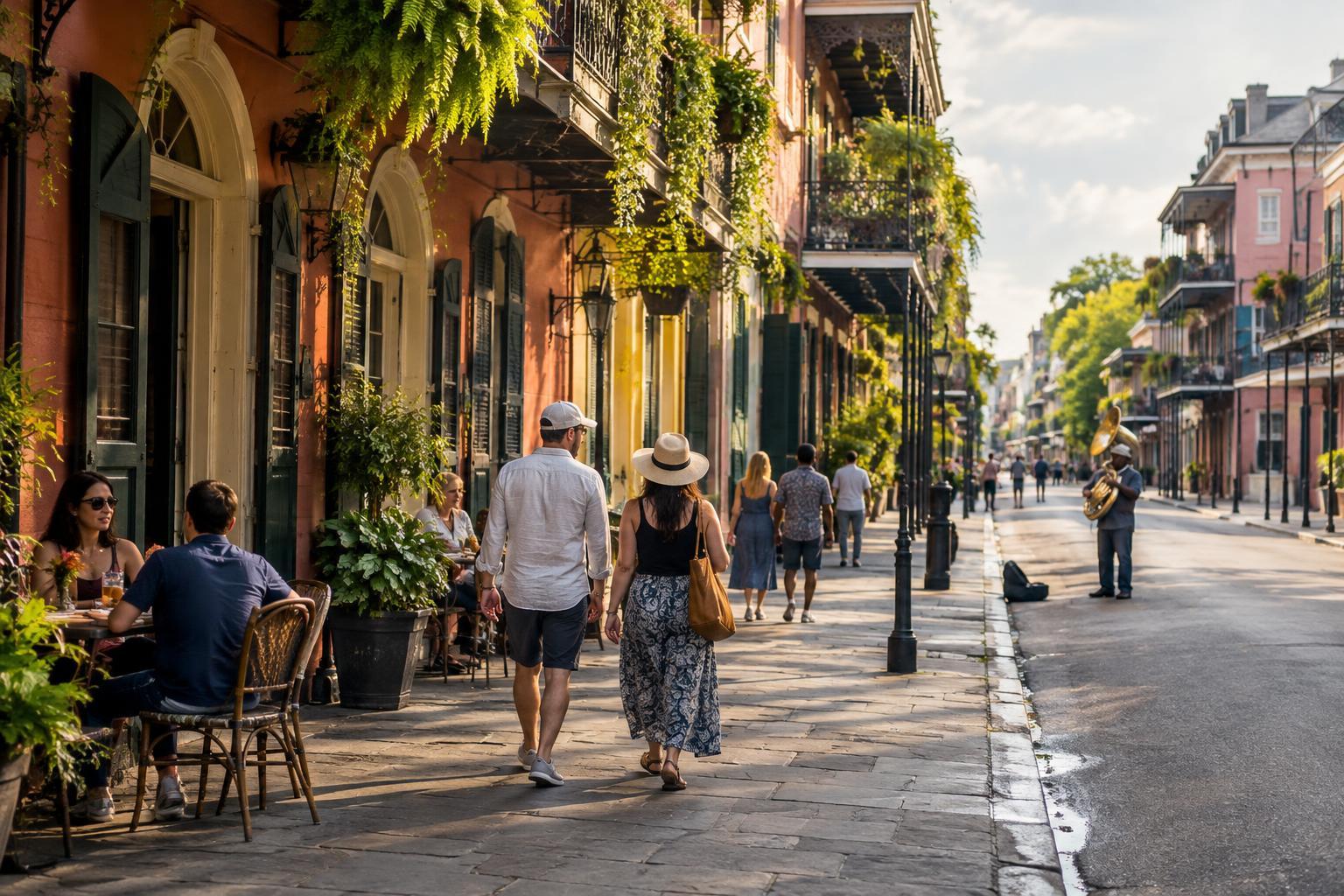
The best time to visit New Orleans depends less on a particular month than on how you want to spend your days. If your ideal trip involves long neighborhood walks, outdoor meals and moving between music venues on foot, comfortable weather may matter most. If you mainly want to eat well, hear live music and explore at an unhurried pace, you may be willing to trade cooler temperatures for fewer visitors.
Crowds and costs do not follow the weather alone. A major festival, parade period, convention or holiday can make a pleasant week substantially busier and more expensive than the weeks around it. Compare actual hotel and flight prices for your dates before deciding that an entire season is affordable or costly. Check event calendars, venue schedules and booking terms close to your trip; they can change.
Late fall and winter: easier walking, variable demand
Late fall and much of winter can be appealing for visitors who want to cover ground. Compared with summer, the air is generally cooler and less humid, making it easier to linger in parks, browse neighborhood streets and spend a full evening out. Conditions can still shift: pack a light layer and be ready for rain rather than assuming every day will feel mild.
These months are not uniformly quiet or inexpensive. Holiday travel and the lead-up to Mardi Gras can increase demand, while Carnival celebrations bring crowds and street changes that affect how you get around. Mardi Gras falls on a different date each year, so look up the calendar for your particular visit. If parades are the point of your trip, book early and allow extra travel time. If they are not, a nearby week with fewer events may offer a calmer base for exploring.
Spring: pleasant outings, popular dates
Spring often suits a first visit built around walking, dining and music. You can plan daytime neighborhood time and still leave room for a late night without organizing every outing around the heat. Rain is possible, so a flexible itinerary works better than one that depends on perfect skies.
The trade-off is demand. Festivals and other large gatherings can fill rooms, raise prices and make popular areas feel busy. That energy can be a reason to go, but it is worth deciding whether you want to attend a particular event or simply happen to be in town during it. If an event is central to your plans, confirm its dates and ticket details through its official channels. If your budget is the priority, compare several spring weeks rather than assuming they will cost the same.
Summer: a slower pace, with heat and rain
Summer may appeal to travelers who prefer a less crowded feel and are comfortable adjusting their routine. Heat and humidity can make long afternoon walks tiring, and showers can interrupt outdoor plans. That does not rule out a rewarding trip; it changes its rhythm. Choose a few nearby stops each day, take breaks in air-conditioned spaces and save longer walks for more comfortable parts of the day.
Lodging prices may be more attractive on some summer dates, but savings are not guaranteed, especially around specific events. Budget for convenient transportation if walking becomes uncomfortable, and consider whether a centrally located hotel is worth more to you than a lower room rate farther away. Summer also overlaps with Atlantic hurricane season. Keep an eye on forecasts, understand your booking and travel-insurance terms, and have a practical plan for changing or canceling your trip if conditions warrant.
Early fall and a simple way to choose
Early fall can still feel much like summer, with warmth, humidity and the need to watch the weather. Later in fall, walking may become more comfortable, though conditions vary from year to year. Travelers considering fall dates should weigh the possibility of a pleasant, less hectic visit against the fact that Atlantic hurricane season continues through November. Avoid treating a quiet-looking calendar as a weather guarantee.
To choose your dates, first set your nonnegotiable priority: comfortable walking, a particular celebration, a lower total cost or a more relaxed pace. Then compare two or three possible weeks using the same checklist: lodging, flights, event schedules, cancellation flexibility and the amount of outdoor time you expect. Book the trip that fits your tolerance for crowds and weather, not just the one with the lowest advertised room rate. New Orleans rewards flexible plans in any season; leave space to follow a good meal with music you did not expect to hear.