Start with full days, not hotel nights
For a first visit, three full days is a useful target. That gives you time to get oriented, explore beyond the French Quarter, enjoy a few unhurried meals, and hear music without treating every hour as an appointment. Two full days can still make a rewarding trip if you choose a few priorities. Four or five days give you more breathing room for museums, parks, and neighborhoods farther from your hotel.
Count the time you can actually use. An evening arrival and an early departure may leave you with far less sightseeing time than the number of hotel nights suggests. Travel, check-in, meals, and getting across town all take time. If music or nightlife is a priority, resist scheduling an early start after a late evening. You will probably remember the experience more fondly if you are awake enough to enjoy it.
What to do with two, three, or four days
With two full days, keep your geographic range modest. Spend one day walking the French Quarter and the nearby riverfront, then use the evening for a meal and music that interest you. On the second day, choose one other area, such as the Marigny, the Garden District, or Uptown. You do not need to visit all three. A shorter trip works best when you leave time to notice streets, shops, and places to sit, rather than moving from one landmark to the next.
With three days, keep those first two days loose and use the third for a different side of the city. You might explore a park and a museum, spend more time in a neighborhood you liked, or plan a longer meal. With four or more days, you can add a focused outing without making the trip feel like a checklist. Let your interests decide: someone drawn to architecture will use the time differently from someone hoping to hear music on several nights.
Build each day around an area, not a list of stops
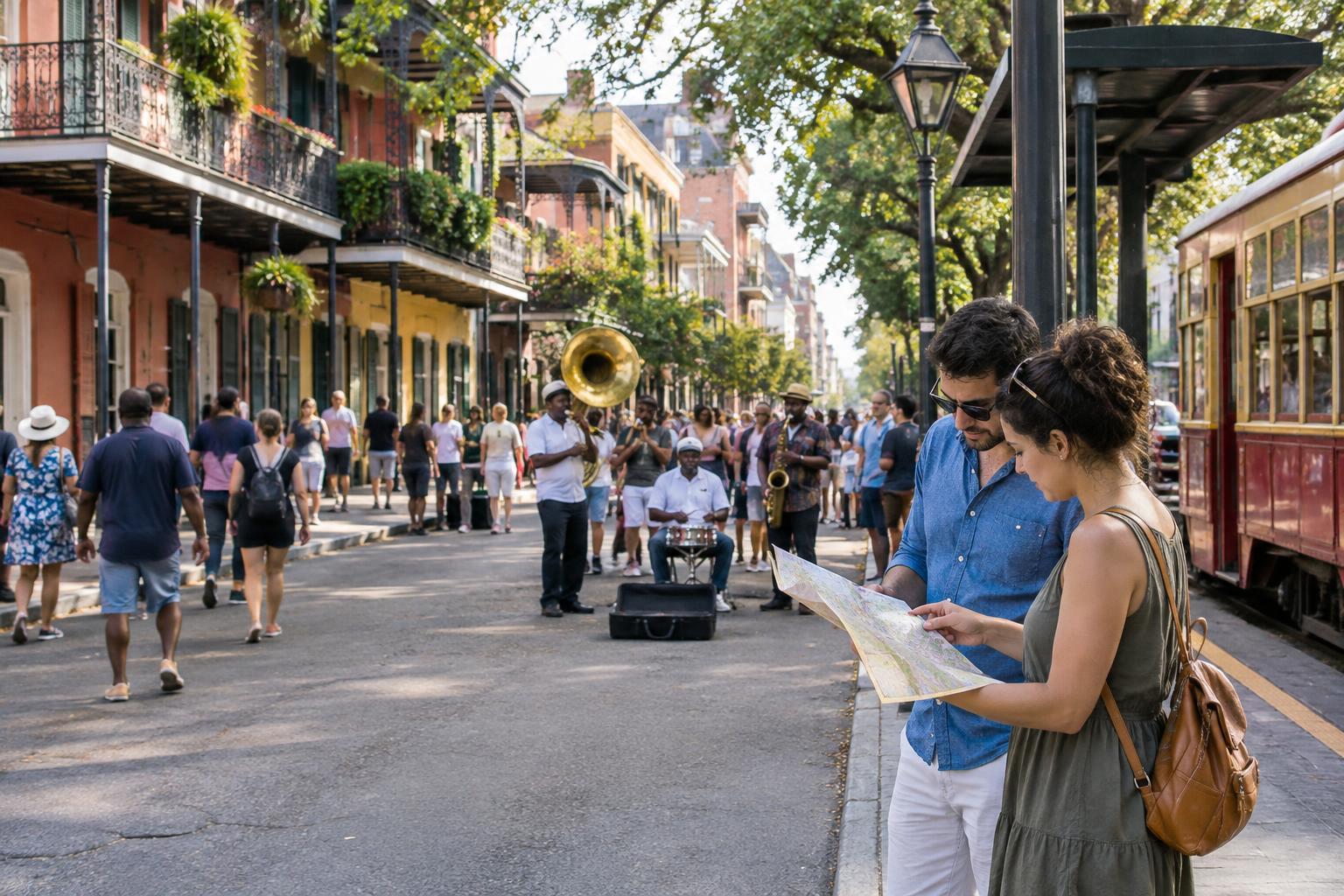
New Orleans rewards wandering, but it helps to give each day a center of gravity. The French Quarter is a natural starting point for many visitors; walking it slowly makes more sense than trying to see every block at once. The Marigny can pair well with a music-focused evening. The Garden District and Uptown suit a day built around residential streets, a meal, and a few stops chosen in advance. These are starting points, not fixed routes.
Pick one or two things you would be disappointed to miss each day, then treat everything else as optional. Put reservations and ticketed activities on the calendar first. Before leaving, check their current hours, admission arrangements, and location directly; details can change. Also check how you will get back after an evening out rather than assuming the transportation you used earlier will suit your return. Grouping nearby plans reduces transit time and gives you more freedom to linger.
Leave space for meals, music, and the weather
Food is part of the trip, not just a break between attractions. A leisurely lunch can be a better use of time than squeezing in another cross-town stop. Choose a few dishes or dining experiences you are curious about, and leave other meals flexible. Popular places may require planning, but a first visit does not need every table booked before you arrive.
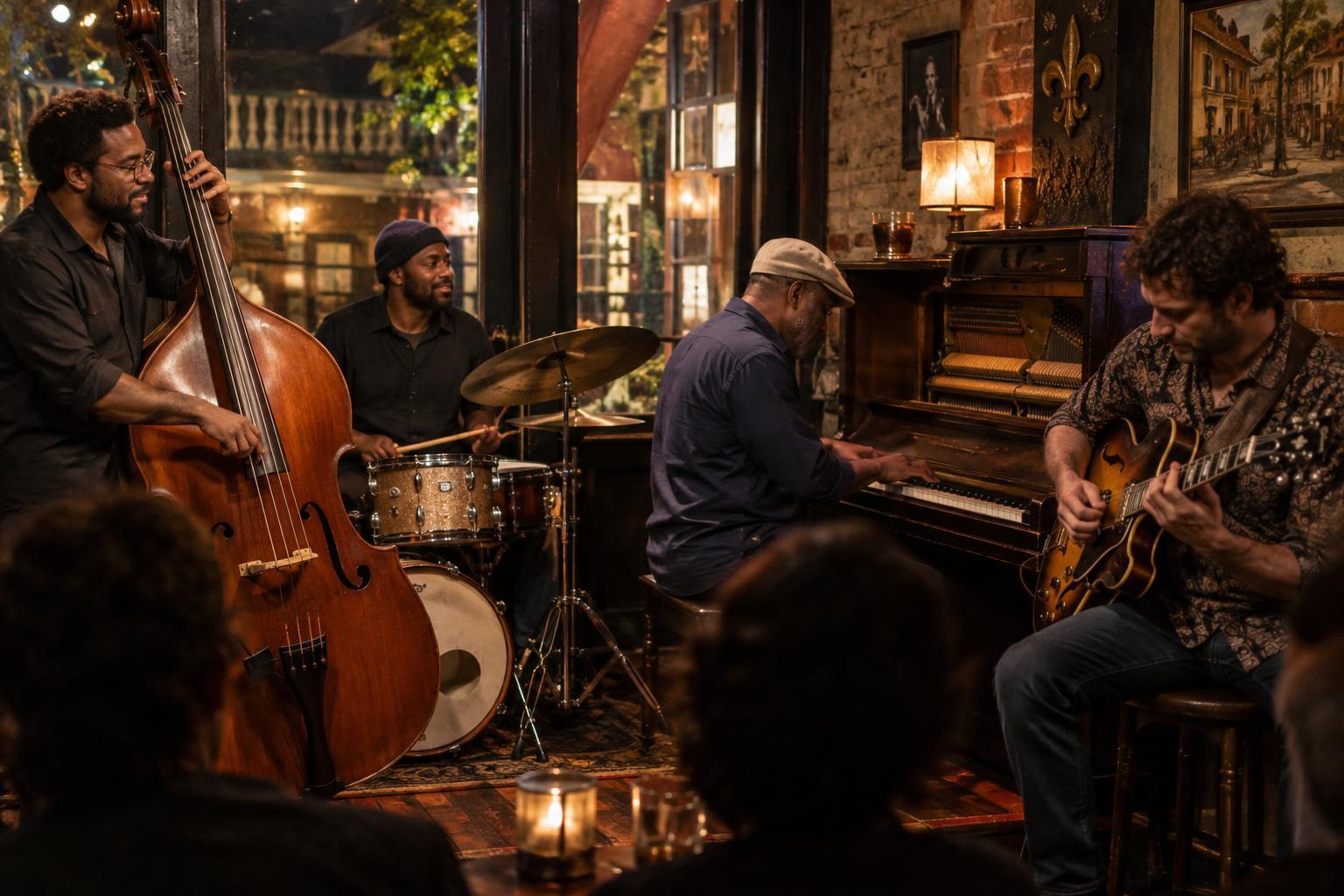
Treat live music the same way: decide what kind of setting appeals to you, then check current listings and any cover or entry details before heading out. Leave enough space in the evening to stay if you are enjoying yourself. If you enter a venue or encounter music in a residential area, be mindful of performers, staff, and neighbors. A visitor’s night out takes place in a city where people also live and work.
Conditions can affect how much walking feels comfortable, so build in breaks and carry what you need for the day. A café stop, a shaded pause, or time back at your lodging is not wasted itinerary space. It can make the evening you planned far more enjoyable.
Know when to add a day—and when to stop planning
Add a day if you want several late nights, have a long journey to get there, or hope to explore beyond the areas closest to your lodging. Keep the trip shorter if you have limited time and are comfortable making choices. You can have a meaningful first visit without seeing every neighborhood or trying every food tradition.
Before you go, write down your few must-do plans, note their locations, and confirm anything time-sensitive. Then leave openings on the calendar. Three full days with one main area or activity each day is a strong starting framework: enough structure to avoid spending the trip making decisions, and enough freedom to follow the street, meal, or music that makes you want to stay a little longer.