A piano that can carry the room
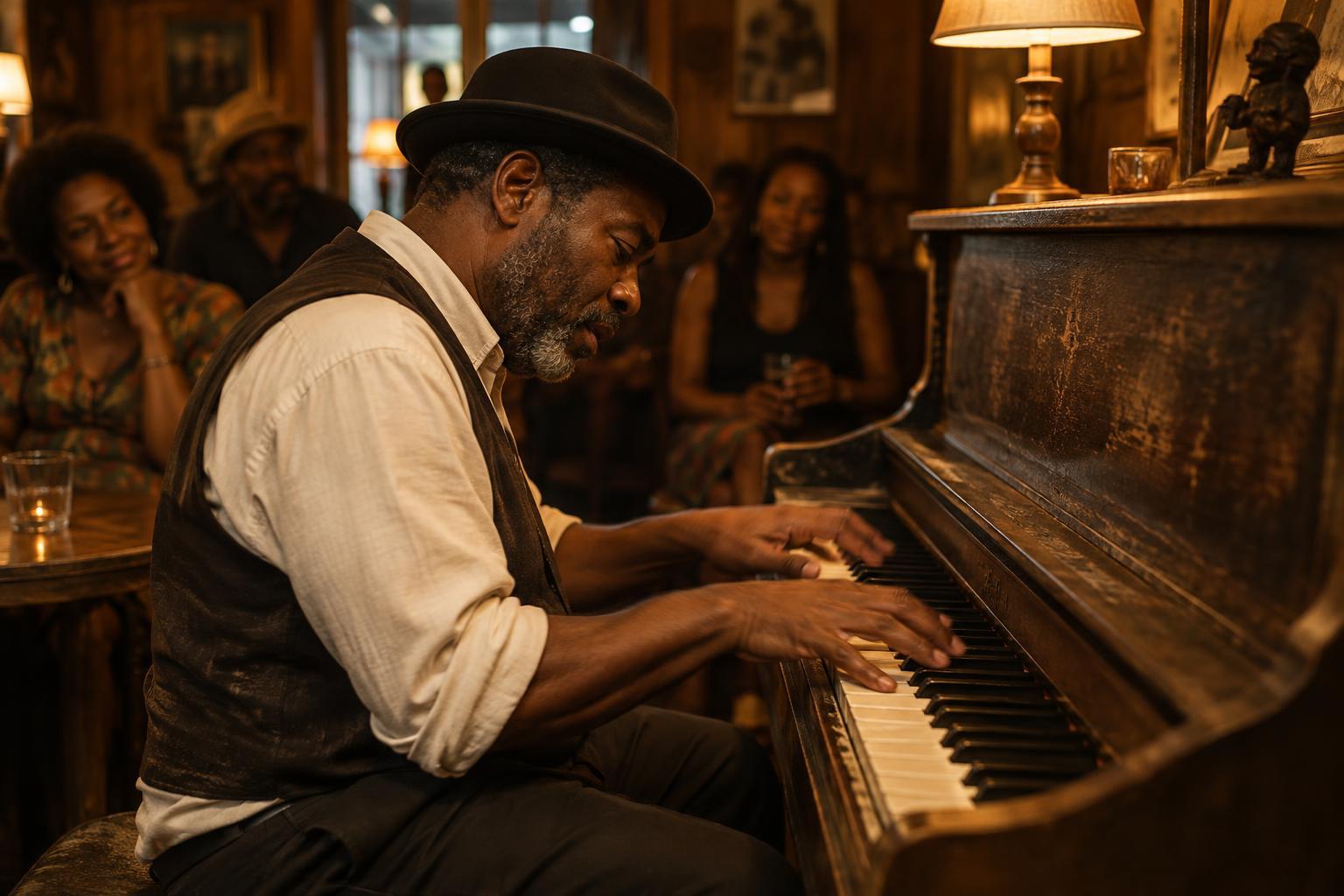
A pianist playing alone can make a New Orleans room feel like a full band has arrived. The left hand lays down a bass line or a rolling pattern; the right hand answers with a melody, a sharp chord or a run of notes. The player may stretch a phrase, leave a gap for the audience to respond, then land squarely back on the beat. Those choices are part of what makes the city’s piano tradition so engaging to hear live.
There is no single New Orleans piano style. The instrument has served dance music, jazz, blues, popular song and rhythm and blues. Players borrowed from one another and from the sounds around them: brass bands, singers, percussion and street parades. Following the tradition means listening for those exchanges, rather than expecting every pianist to play the same signature rhythm.
What barrelhouse brings to the story
Barrelhouse is a useful starting point, though it was not invented in New Orleans or confined to the city. The term is often used for vigorous, blues-based piano associated with informal places where people gathered to drink and dance. A firm, repeating left-hand part could keep the pulse moving while the right hand played riffs, blues phrases and flourishes. On an imperfect piano in a noisy room, rhythmic drive mattered as much as polish.
That practical approach helps explain the instrument’s lasting appeal in New Orleans. A pianist could accompany a singer, support dancers or fill the space between other musicians’ lines. Early jazz pianist and composer Jelly Roll Morton offers another part of the picture: his playing combined ragtime-derived structure, blues feeling and the rhythmic give-and-take of jazz. Barrelhouse and early jazz are not the same thing, but both show how a keyboard player could turn a tune into a lively conversation.
The road to rhythm and blues
As popular music changed, New Orleans pianists kept finding new ways to make a small group sound big. Professor Longhair, born Henry Roeland Byrd, is a central figure in this story. His unmistakable playing joins blues and boogie energy with rolling, syncopated rhythms often described in relation to Caribbean influences. Listen to the way his hands seem to pull against each other: the music rocks forward without becoming mechanically even.
Fats Domino brought a different touch to the piano-centered New Orleans rhythm-and-blues sound. His relaxed singing and rolling piano parts made room for an easy, danceable beat; repeated figures and triplet-shaped phrases became especially recognizable features of his recordings. Allen Toussaint later shaped the sound as a pianist, songwriter, producer and arranger. His example is a reminder that a piano tradition lives not only in solos but also in the choices that organize a whole song.
These musicians did not form a neat relay race from one style to the next. Blues, jazz, boogie and rhythm and blues overlapped, and performers developed individual approaches. James Booker’s dazzling command of the keyboard, for instance, could move from delicate detail to rhythmic force within a performance. Hearing the differences among players is more rewarding than treating one as the definitive New Orleans sound.
Rhythm is the thread, not a formula
If you are new to this music, begin with the left hand. Is it walking through bass notes, repeating a boogie pattern or striking chords that leave space for the beat? Then notice how the right hand behaves. It may anticipate the next beat, answer a sung line or decorate a familiar melody until it feels new. Syncopation—placing emphasis where a listener might not expect it—can make even a steady tempo feel buoyant.
You may also hear a pianist suggest a band without imitating one literally. A low note can act like a bass player’s cue; a clipped chord can feel like a horn response; a rolling figure can add momentum beneath a singer. New Orleans music often invites that kind of interplay. Still, not every piano passage should be labeled a parade rhythm or traced to a single influence. Listen to what the player is doing in that particular song.
How to listen while you’re in town
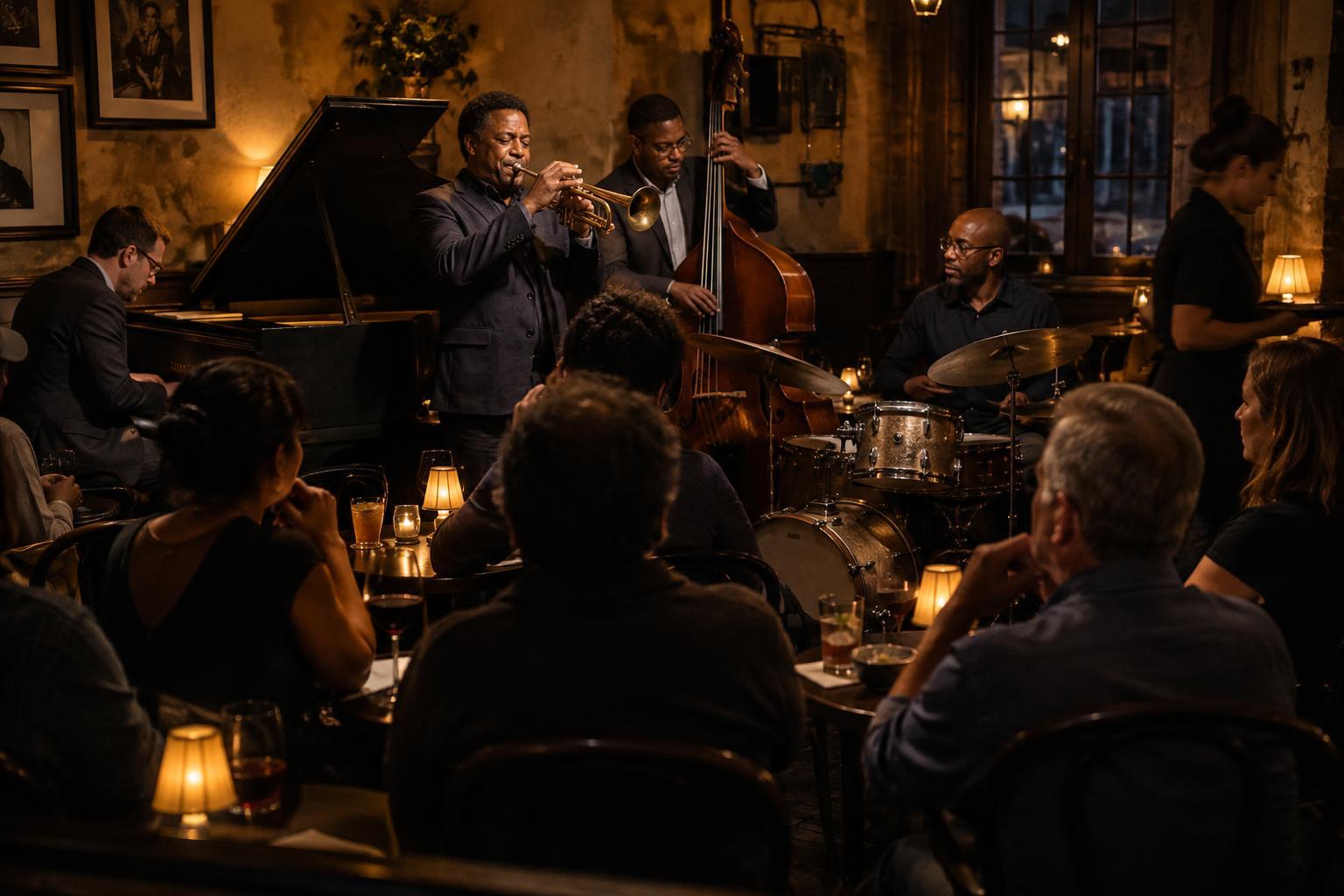
For a visitor, a small room can be an excellent place to hear the details. Look for performances that feature a pianist or a piano-led band, then check the venue’s own listings before making plans; lineups and hours can change. If the room is set up for attentive listening, keep conversation low during quieter passages. If it is a dancing room, notice how the pianist adjusts to the crowd and the other musicians.
You do not need to identify every influence in real time. Follow one repeated left-hand figure, listen for a change in the right-hand phrase, and notice what happens when a singer or drummer responds. From barrelhouse drive to the spacious grooves of rhythm and blues, the pleasure of New Orleans piano lies in that movement between a dependable pulse and the freedom to surprise.