Treat every listing as a lead, not a promise
New Orleans offers many ways to hear music, from dedicated listening rooms to bars, restaurants and street performances. That variety is part of the appeal, but it also makes a saved schedule a shaky foundation for an evening out. A listing may describe a recurring night without reflecting a substitution, a private event or a change in start time. Use older articles and recommendations to discover places and musicians, then check the details again before you go.
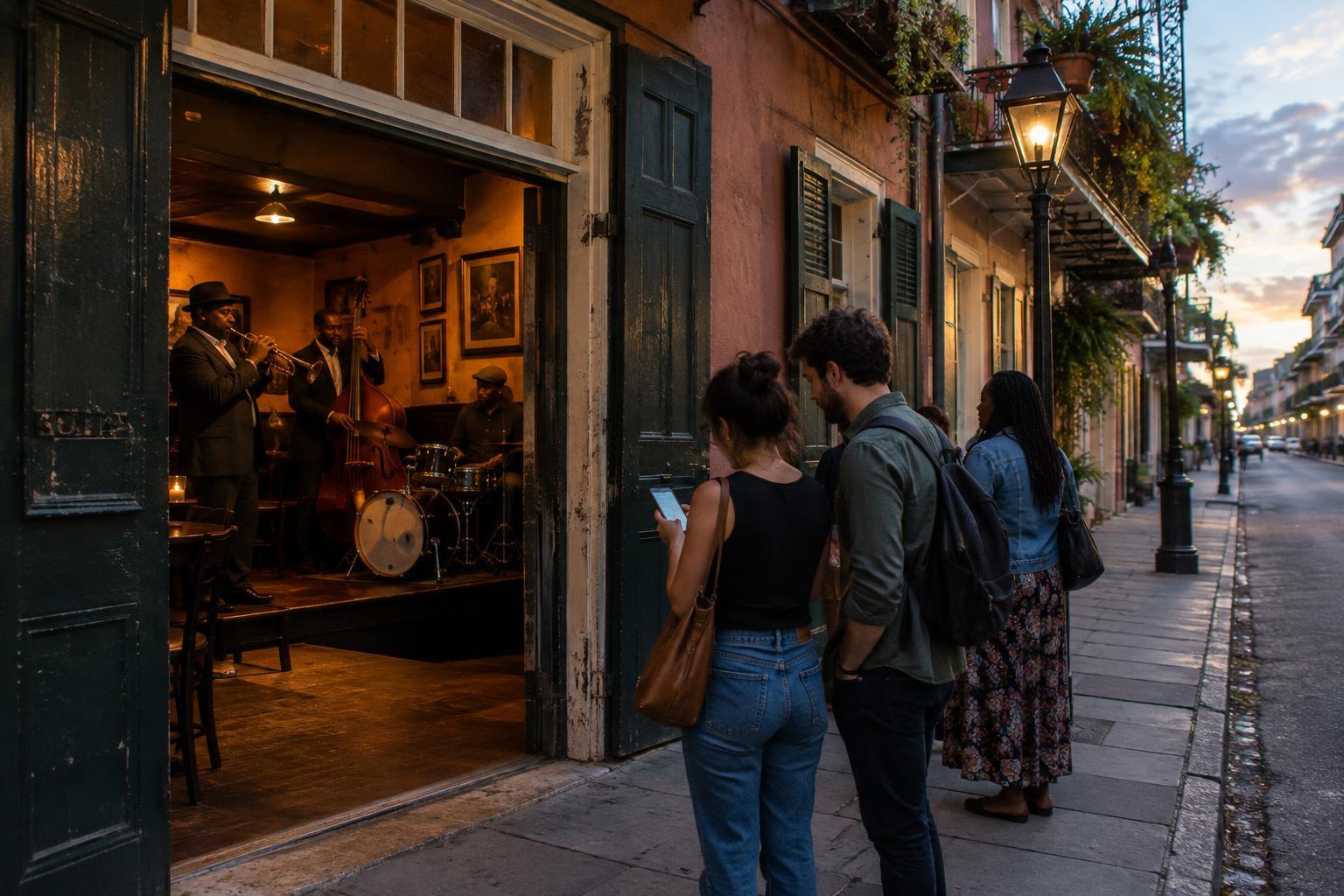
Start with sources closest to the performance: a venue’s own calendar or social account, an artist’s announcements and, where available, a ticketing page. Look for agreement on the date, performer, address and start time. An event page that lets you buy a ticket may clarify admission terms, but read it closely rather than assuming every show at a venue works the same way. If the details conflict or remain unclear, contact the venue through a current channel. A quick confirmation is especially worthwhile when the show is the centerpiece of your night.
Build a short list around the music you want to hear
A search for “live music tonight” can produce more options than you can use. Narrow it by deciding what kind of experience you want. Are you hoping to sit and focus on a full set, dance with a crowd or wander until something catches your ear? Genre can help, but it need not be a rigid filter. New Orleans musicians often move among styles and settings, so a description of the room and the format may tell you as much as a genre label.
Choose two or three plausible options rather than plotting an ambitious route across town. Note whether each is a ticketed performance or a walk-in venue, and whether it appears to offer seated listening or a more conversational atmosphere. Check age policies, cover charges, reservations and accessibility information when those affect your plans. If you cannot find an answer, ask before setting out. Keeping a nearby backup gives you flexibility without turning the night into a race between shows.
Use neighborhoods to make the evening manageable
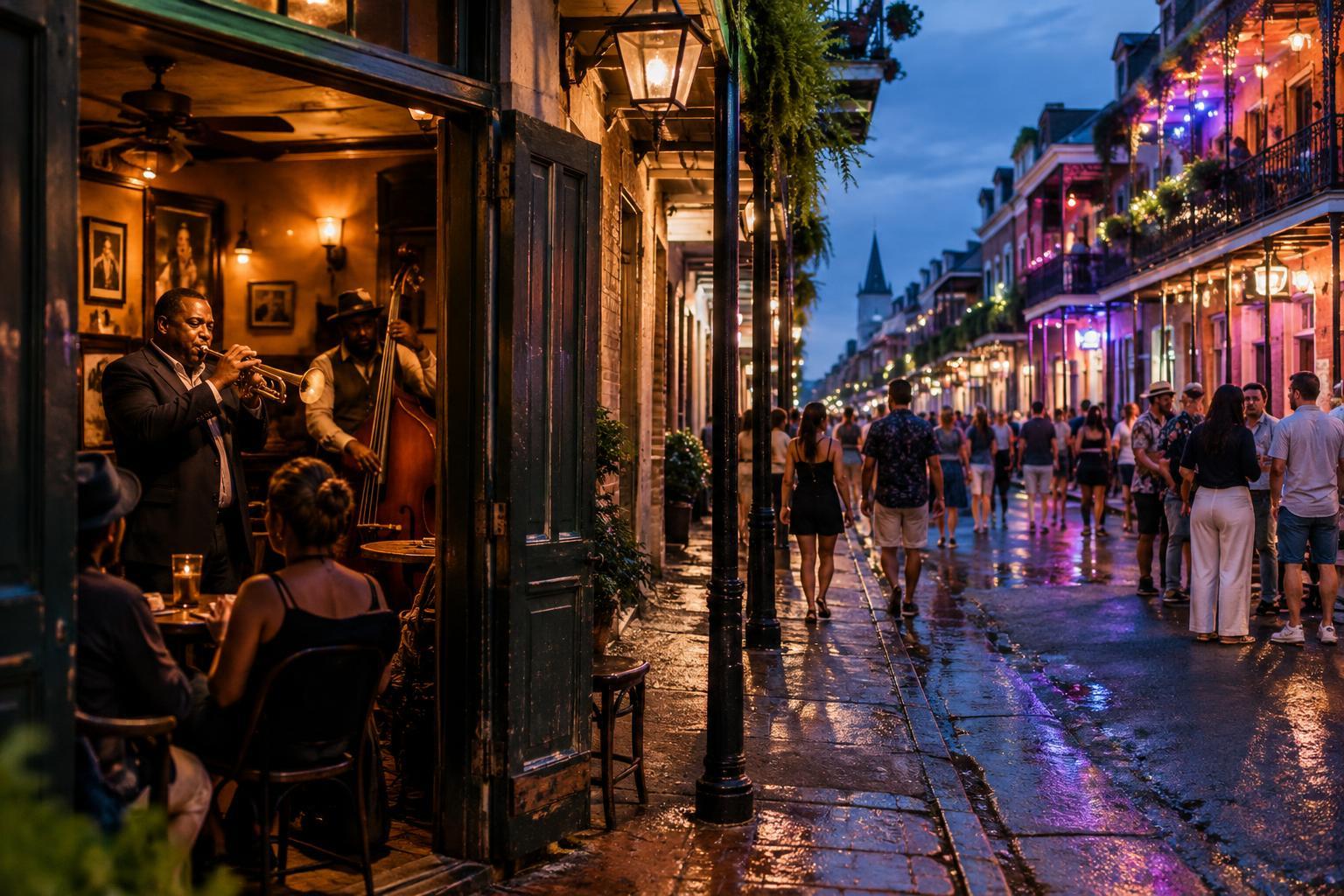
A neighborhood-first plan reduces travel decisions once the music begins. Frenchmen Street is a familiar starting point for visitors looking to compare rooms within a compact area, but it is not a guarantee of a particular sound or schedule. Music also happens elsewhere in the city, including at neighborhood venues that reward a more deliberate trip. Choose an area based on the performances you can confirm, your transportation plan and the kind of evening you prefer—not on a promise that one street will deliver everything.
Before leaving, save the venue addresses and consider how you will get home. Walking time, weather and your comfort with late-night travel matter more than squeezing one extra stop into an itinerary. If you are traveling with others, agree on a meeting point and a rough departure plan. Leave enough space between performances to pay, settle a tab and move without interrupting a set.
Know what to check at the door
Even a carefully verified plan can change. At the entrance, confirm who is playing, when the next set begins and what admission costs. Ask whether a cover applies again if you leave and return. If there is a drink minimum or a seating policy, learn it before you commit. Clear questions are more useful than assuming the rules match a previous visit—or the venue next door.
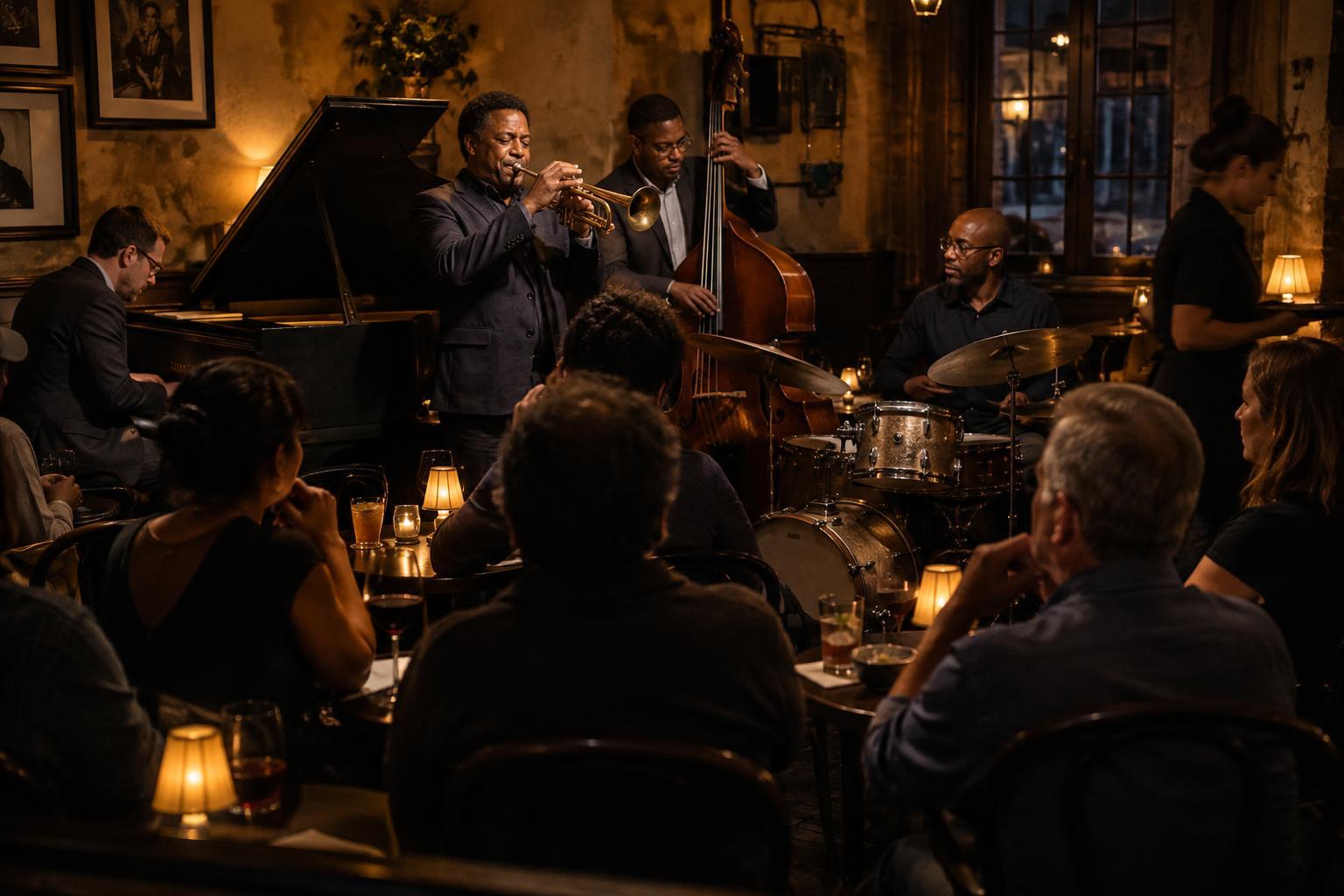
Once inside, match the room’s energy. In a listening-focused space, keep conversation low during songs and step outside for a longer chat. In a lively bar, you can still make room for people who came to hear the band. Follow house guidance on filming and photography, and avoid blocking someone’s view with a phone. If tipping musicians is invited and within your means, it is a direct way to show appreciation. Buying a ticket or paying a cover does not make a performance background noise.
Leave room for discovery without depending on luck
A flexible plan is not the same as having no plan. Confirm one performance you would be happy to hear, keep a second option nearby and allow time to notice what is happening around you. A musician you enjoy may mention another performance; a venue may post an update later in the day. Treat those as fresh leads and check the practical details before changing course.
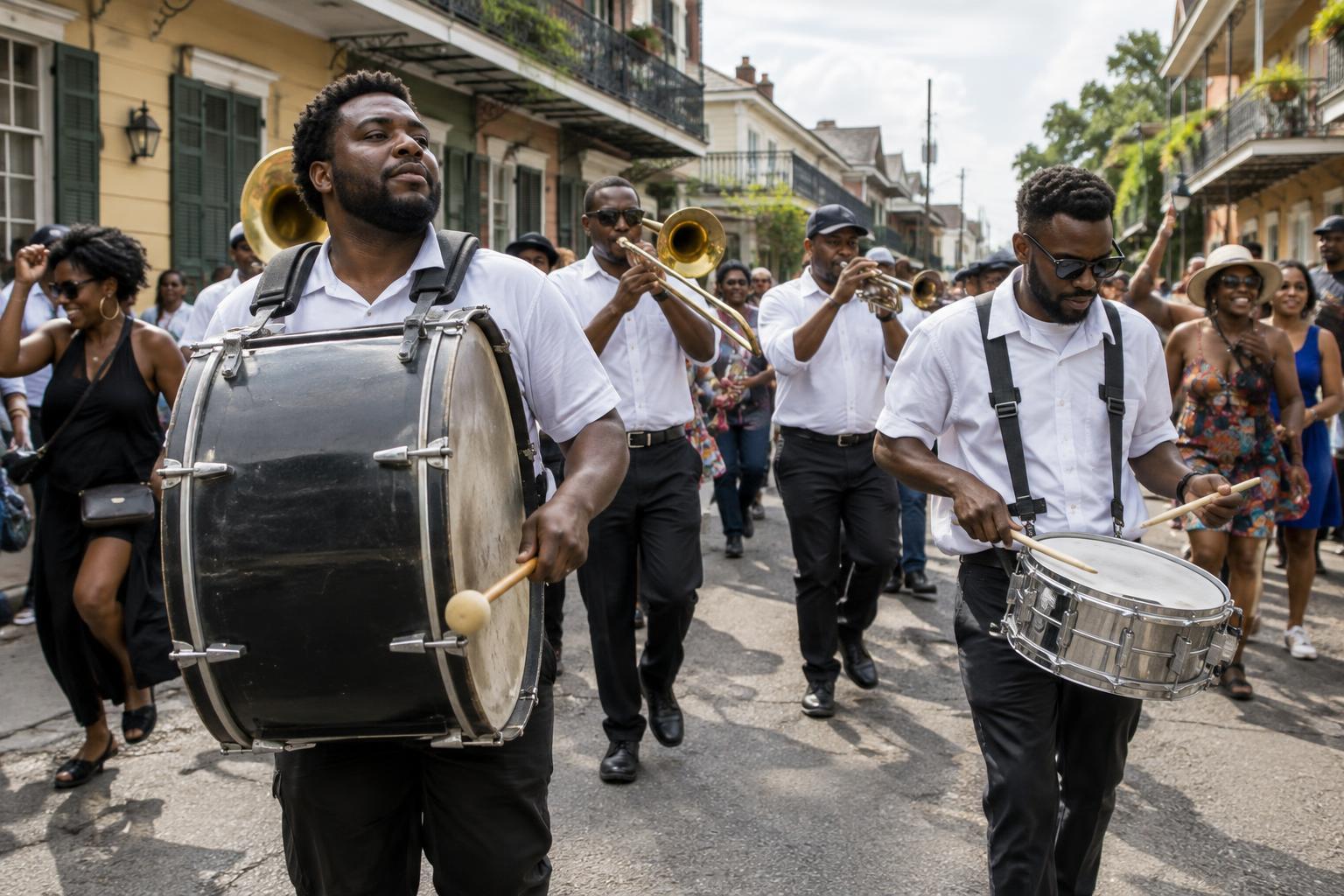
It also helps to separate discovery from expectation. Street music may be a memorable part of a walk, but public performances do not follow a dependable visitor timetable. A room you loved on one trip may feel different with another lineup. Approaching each set on its own terms makes for a better night than trying to recreate someone else’s. The most reliable strategy is simple: verify what you can, make a manageable route and be ready to listen when the music starts.