Start with the trip you want to take
Accessibility means different things to different travelers. Before booking, make a short list of what you need to move comfortably, rest, communicate and enjoy an outing. That might include a step-free entrance, room for a mobility device, seating during a performance, a quieter place to take a break or information in a usable format. Separate essentials from preferences so you know which answers must be confirmed before you pay.
New Orleans invites wandering, but an appealing stop is only useful if you can get there and get inside. Plan around complete journeys rather than individual destinations: the trip from your room to transit, the walk from the stop to the entrance, and the way back after an evening out. Keep a second option nearby when possible. A shorter, flexible itinerary can leave more room for the music, food and neighborhoods you came to experience.
Ask how each transportation option works for your route
For any bus, streetcar, taxi, rideshare or tour vehicle you hope to use, ask questions tied to a specific journey. Where is the boarding point? Is there a step-free way to reach it? How do passengers board, and is assistance available if needed? If you use a mobility device, ask about the space available and how to request a suitable vehicle. Do not assume that an accessible vehicle makes every stop or the path to it accessible.
For an airport transfer or a late-night return, confirm arrangements before relying on them. Ask how far ahead to reserve, where the driver will meet you, what happens if a vehicle is unavailable and whom to contact if plans change. Keep the address of your lodging handy and identify another reasonable way back. Routes, equipment and service details can change, so check directly with the provider close to your travel date.
Confirm the room, not just the lodging label
An “accessible room” description is a starting point, not a full answer. Contact the lodging directly and describe the features you require. Ask about the route from the sidewalk or drop-off point to reception, the elevator and the assigned room. Find out whether any entrance has a step, whether a different door must be used and whether staff need to open it. If you need particular bed clearance, bathroom features or space to turn a device, ask for measurements or photos rather than relying on a general label.
Also ask about the parts of a stay that are easy to overlook: access to breakfast, a courtyard, laundry facilities or a place to wait for transportation. If a quiet room matters, ask where the room is in relation to elevators, gathering areas and nearby nightlife; a request may not be guaranteed. Before booking, have the property note your essential requirements on the reservation and check its cancellation terms in case the room offered does not meet them.
Check entrances, seating and the experience inside
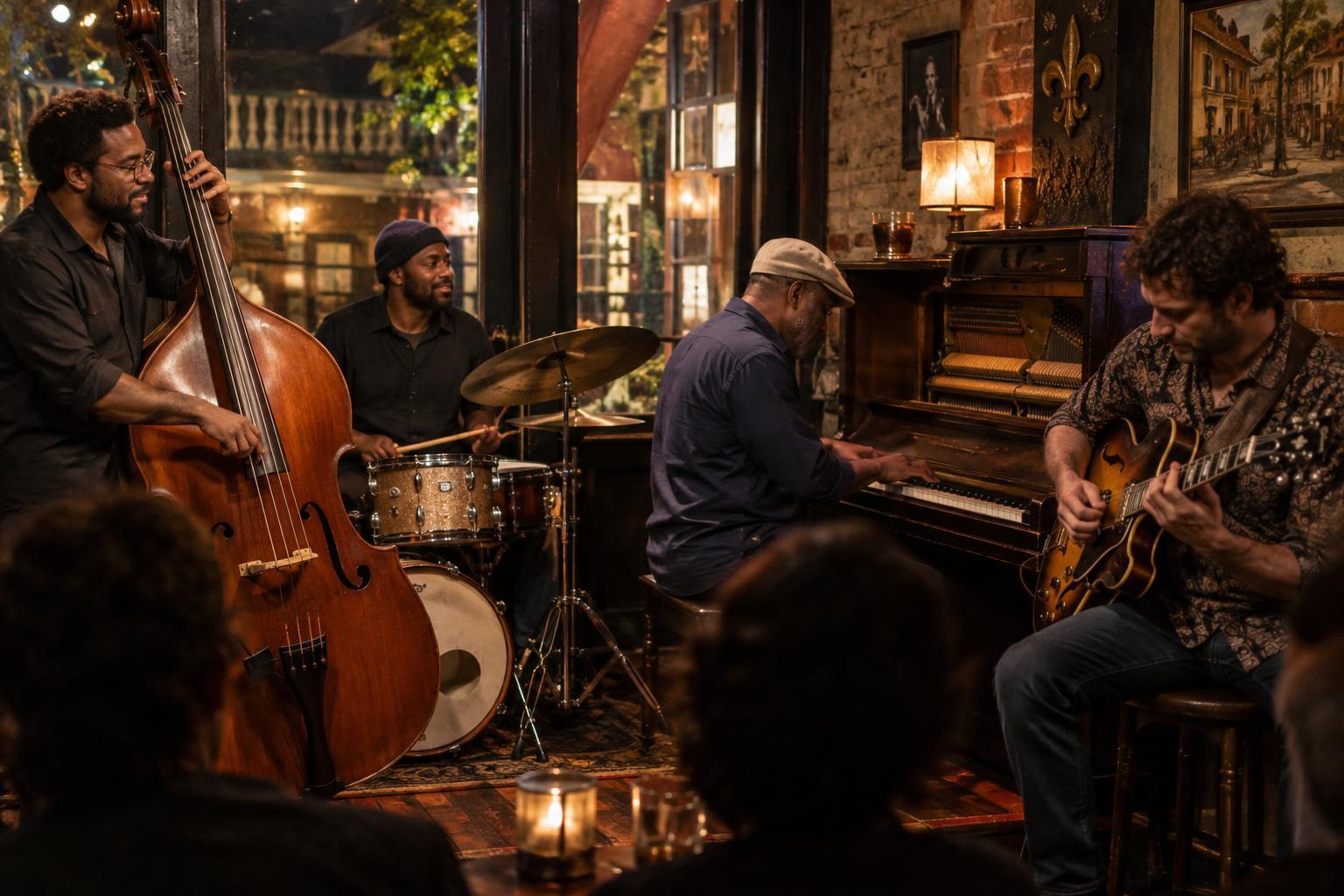
Museums, restaurants, music venues and tours each pose different questions. Ask which entrance provides the route you need and whether it is available during your planned visit. For a performance, ask how accessible seating is booked, whether companions can sit together and what the view is like from that area. For a restaurant, ask about table spacing, seating options and the route to the restroom. For a guided tour, ask about distance, pace, breaks and alternatives if part of the route is difficult to navigate.
Access also includes the ability to take part comfortably. If useful to you, ask whether a venue has captioning or other communication options, whether you can step out and re-enter, and whether there is a less crowded time to visit. Explain the specific feature you need rather than asking only, “Is it accessible?” A detailed answer helps you decide for yourself whether an experience will work.
Leave room for the streets between stops
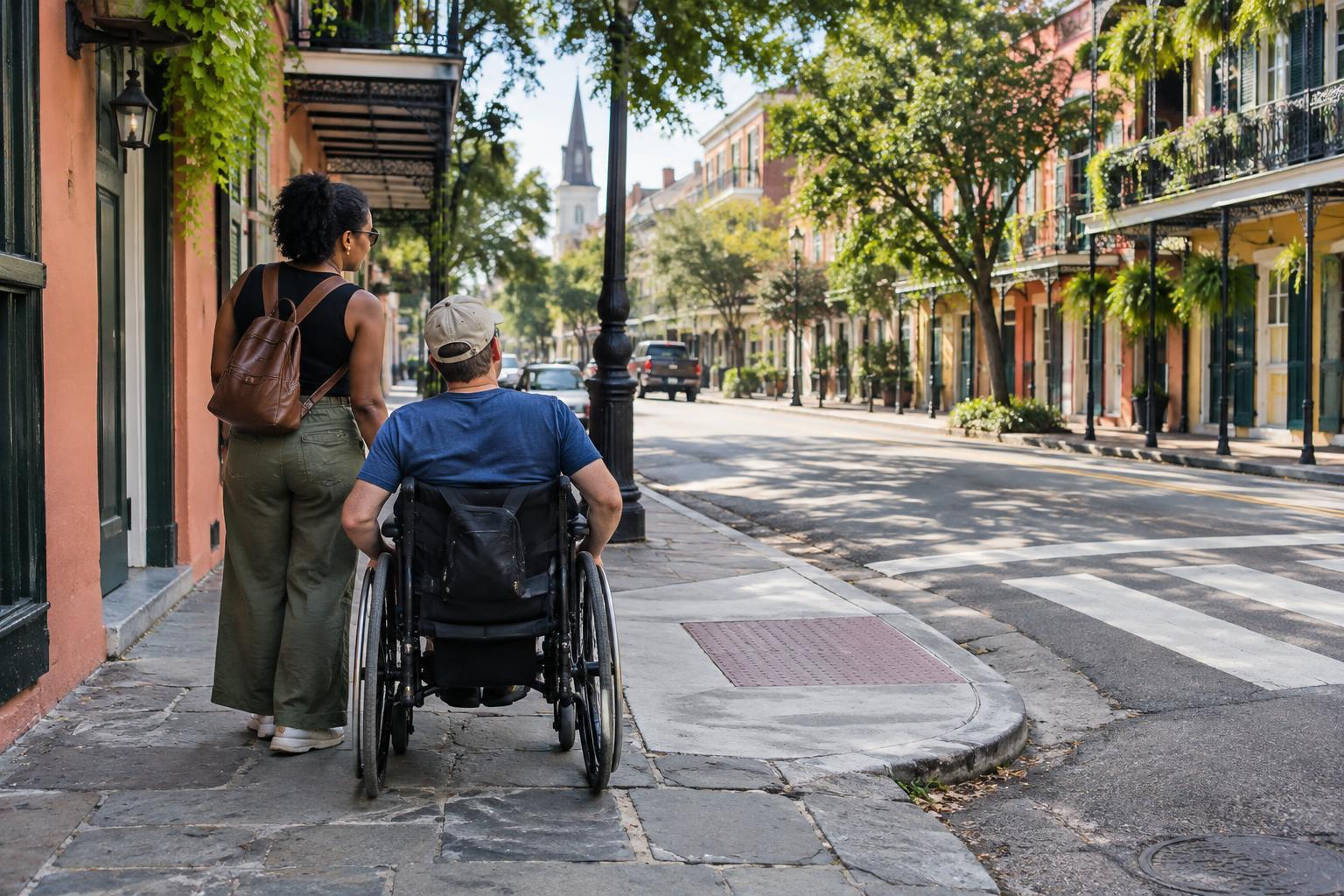
When mapping a day, look beyond the distance between two addresses. Ask a venue which entrance to navigate to and where a vehicle can safely drop you off. If a route is uncertain, allow extra time and consider checking it in daylight before depending on it at night. Conditions along sidewalks and crossings can vary, and construction or a temporary obstruction may change a familiar path.
Make a compact plan you can carry: confirmed addresses and entrances, reservation details, transportation contacts and a backup activity or place to rest. Recheck time-sensitive details shortly before each outing, especially for evening plans. Accessibility planning is not about predicting every obstacle; it is about asking precise questions early enough to make choices, adjust a route and spend more of your visit enjoying New Orleans.