Make hearing protection part of your night-out kit
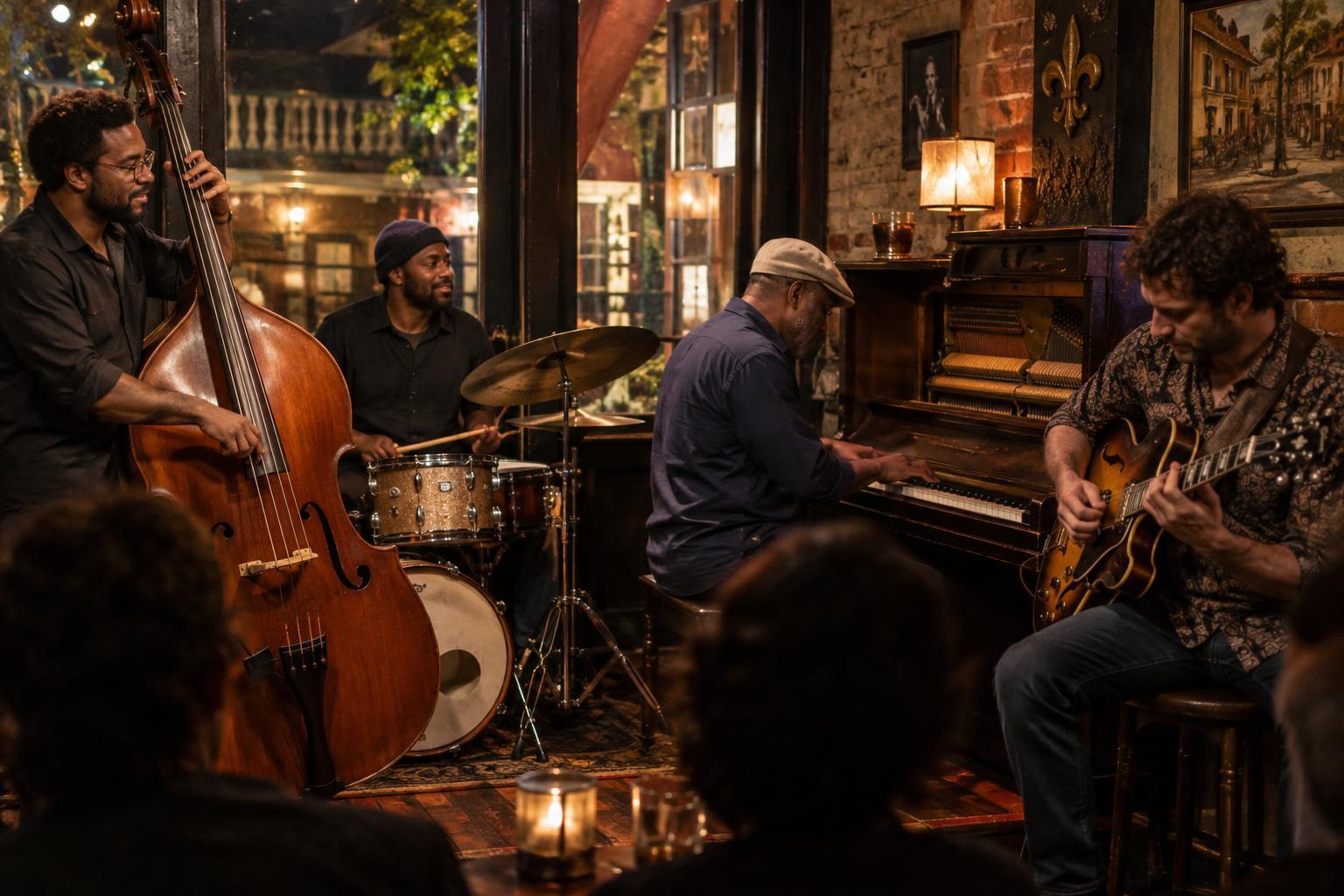
Live music is a reason to spend an evening in New Orleans, whether you are listening to a small ensemble in a club or encountering a brass band outdoors. The sound is part of the pleasure, but close proximity to instruments and speakers can make a performance louder than you expected. You do not need to guess in advance which set will feel comfortable: bring earplugs whenever live music is on the itinerary.
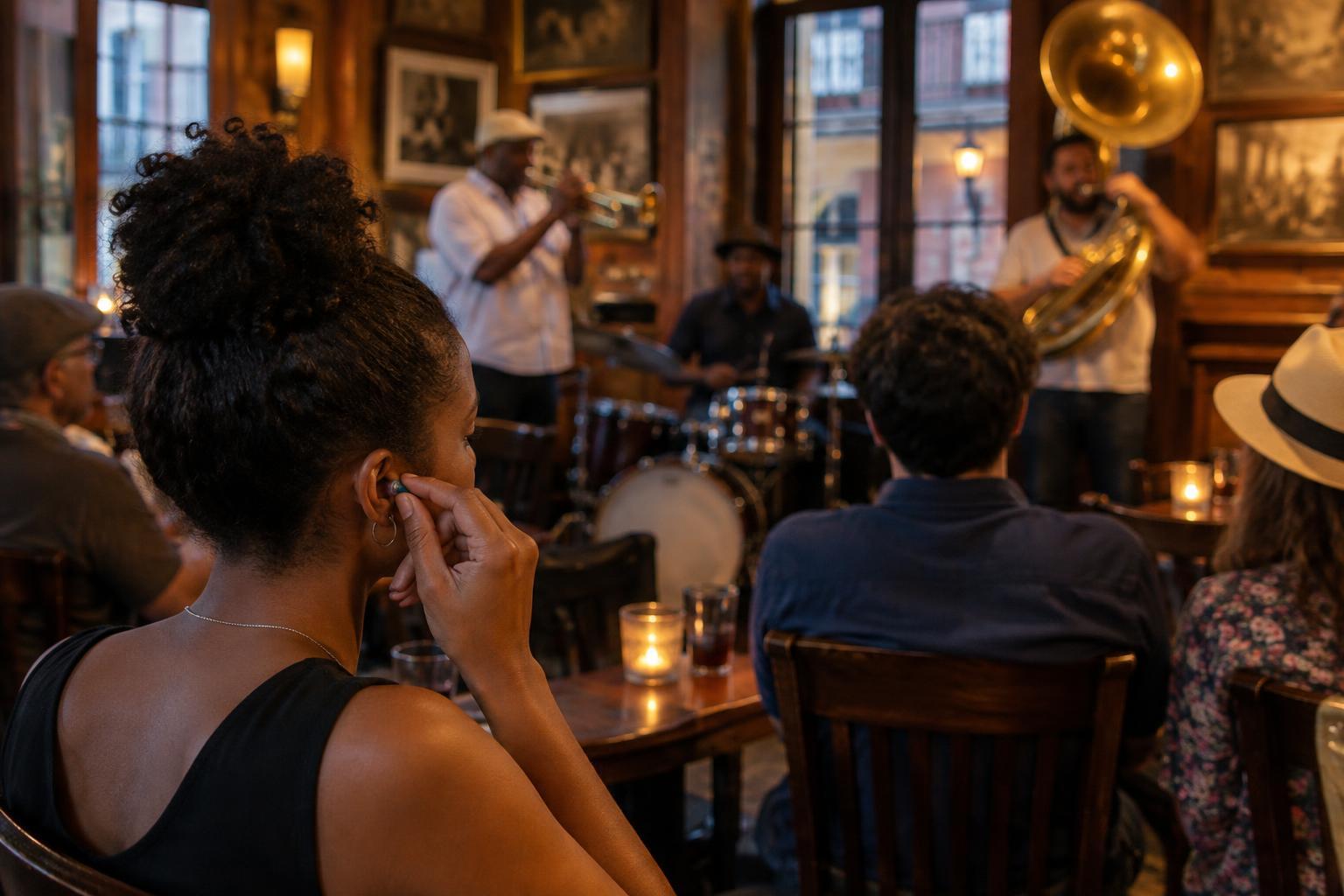
Basic foam earplugs are inexpensive and easy to keep in a pocket or bag. They work best when inserted as directed so they form a seal; a loose plug may offer much less protection than you expect. Reusable music earplugs are another option if you want something designed to reduce volume while preserving more of the sound’s character. Whichever kind you choose, try it before a show. Earplugs that fit comfortably are the ones you are more likely to keep wearing.
Choose your spot with the sound in mind
A front-row view can be exciting, but standing beside a speaker or directly in front of a powerful horn may be uncomfortable, even in a modest-sized room. When you arrive, take a moment to notice where the speakers and musicians are. If the sound feels harsh, move farther away or to a different part of the space. A few steps can change your experience without taking you out of the performance.
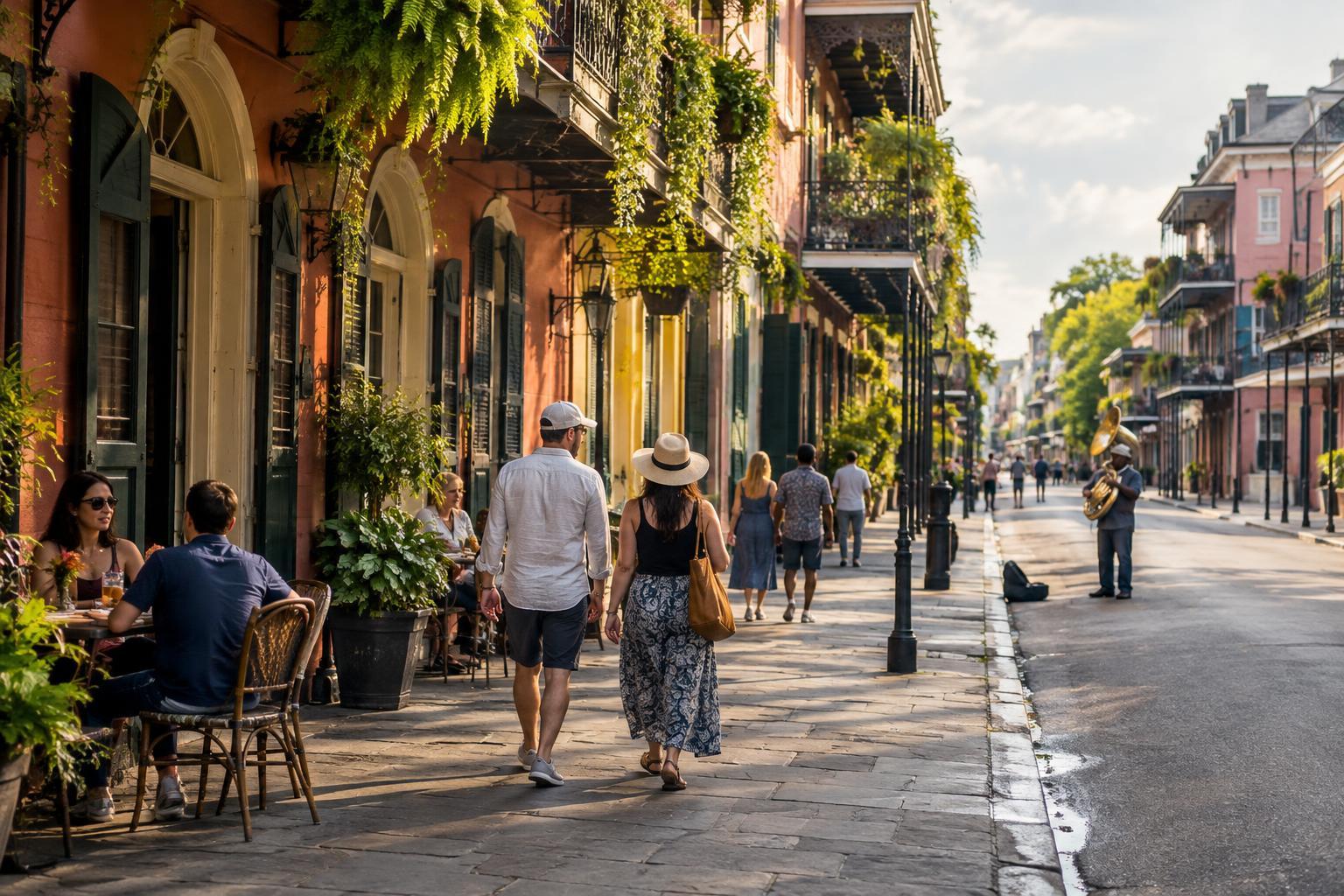
Outdoor music deserves the same attention. A street performance may seem less intense because there are no walls around it, yet standing close to percussion or brass can still feel loud. Give performers room to play and others room to pass. At a moving celebration, you can listen from a comfortable distance rather than trying to stay beside the band the whole way.
Give your ears a break between sets
A New Orleans night can involve more than one stop: a set in one room, music spilling from another doorway, then a late performance elsewhere. Even if each stop feels manageable, continuous loud sound can leave your ears feeling worn out. Build in quieter intervals. Step away between sets, talk somewhere you can hear without shouting, or make your next stop a calmer one.
Pay attention to your own warning signs. If you find yourself raising your voice constantly, the music sounds distorted, or your ears ring afterward, take that as a reason to reduce your exposure rather than push through. Earplugs and breaks are useful together: protection does not mean you have to spend unlimited time in the loudest spot. If hearing changes or ringing persist or concern you, seek advice from a qualified health professional.
Plan for the people you are with
A companion may find a room too loud even when you feel fine. Agree that anyone can suggest moving, taking a break or leaving without having to defend the choice. If you are attending with children, bring hearing protection that fits them properly and be ready to change plans if the setting feels overwhelming. A venue that suits adults standing near the back may still be a poor fit for a child close to the stage.
For visitors, it helps to make a flexible plan rather than treating every possible show as a must-see. Check venue information directly before you go for details that can change, such as admission rules, set times and whether a space is suitable for your group. That leaves you free to focus on the music when you arrive—and to choose another listening spot if the first one is too loud.
Keep the music enjoyable beyond tonight
Hearing protection is not a sign that you appreciate live music less. It is a practical way to stay present for it, especially in a city where a great performance might be waiting around the next corner. Carry earplugs, wear them when the volume calls for it, move when you need to and take quiet breaks. Those small choices can make a full evening of listening more comfortable.