Choose one anchor for the evening
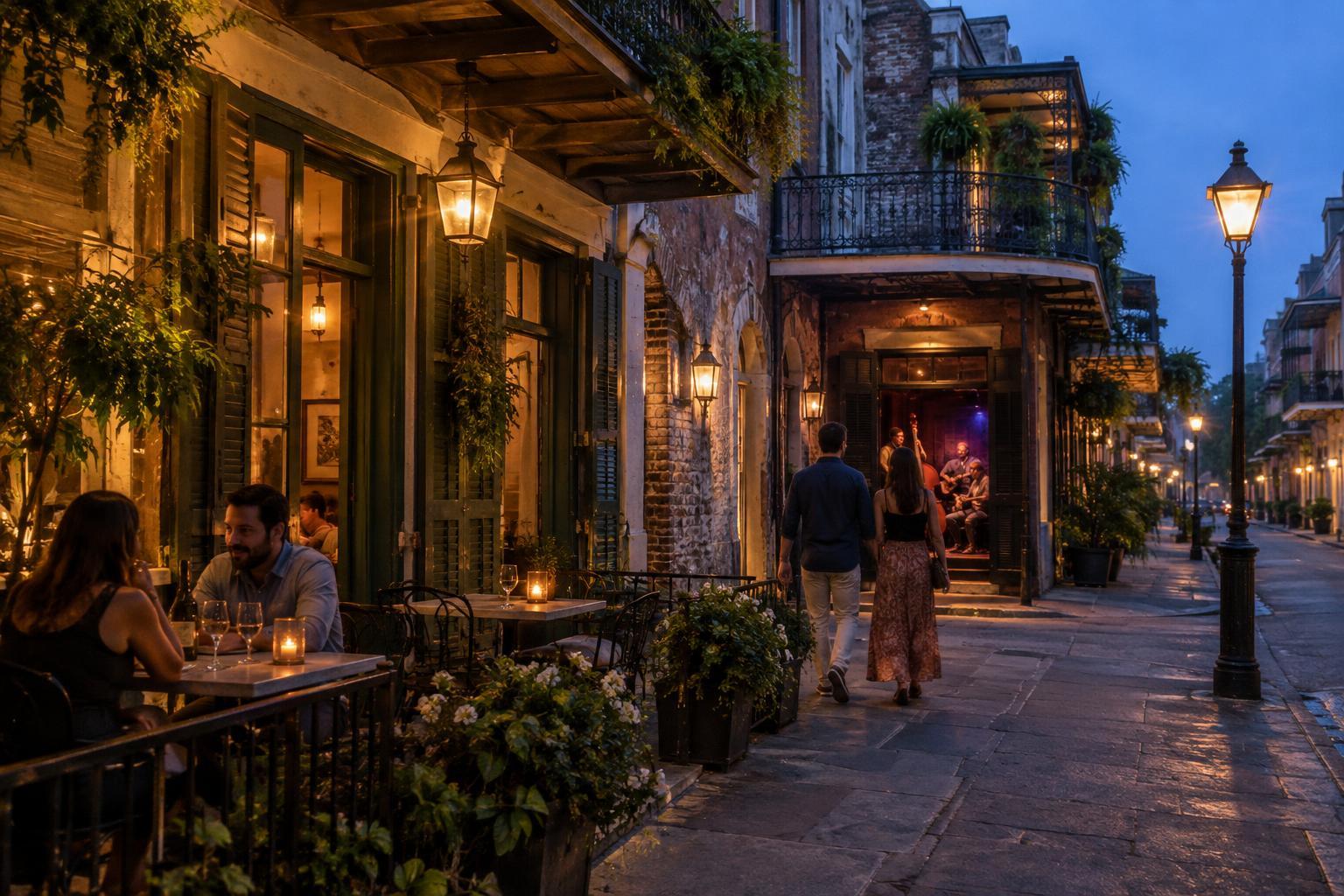
It is tempting to fit a long dinner, several music stops and a walk through multiple neighborhoods into one night. A more satisfying plan starts with one anchor: a performance you particularly want to hear, a meal you want to linger over or a neighborhood you want to explore. Build the rest of the evening around that choice. You will have more time to notice what is happening around you and less pressure to leave just as a place begins to feel welcoming.
If a particular performance matters, check the venue’s own information before you go. Confirm the location, start time, admission details and any reservation requirements; these can change. Then decide whether dinner fits better before or after the music. If the meal is your priority, reserve enough time to enjoy it rather than treating it as a quick stop on the way to something else.
Keep the geography manageable
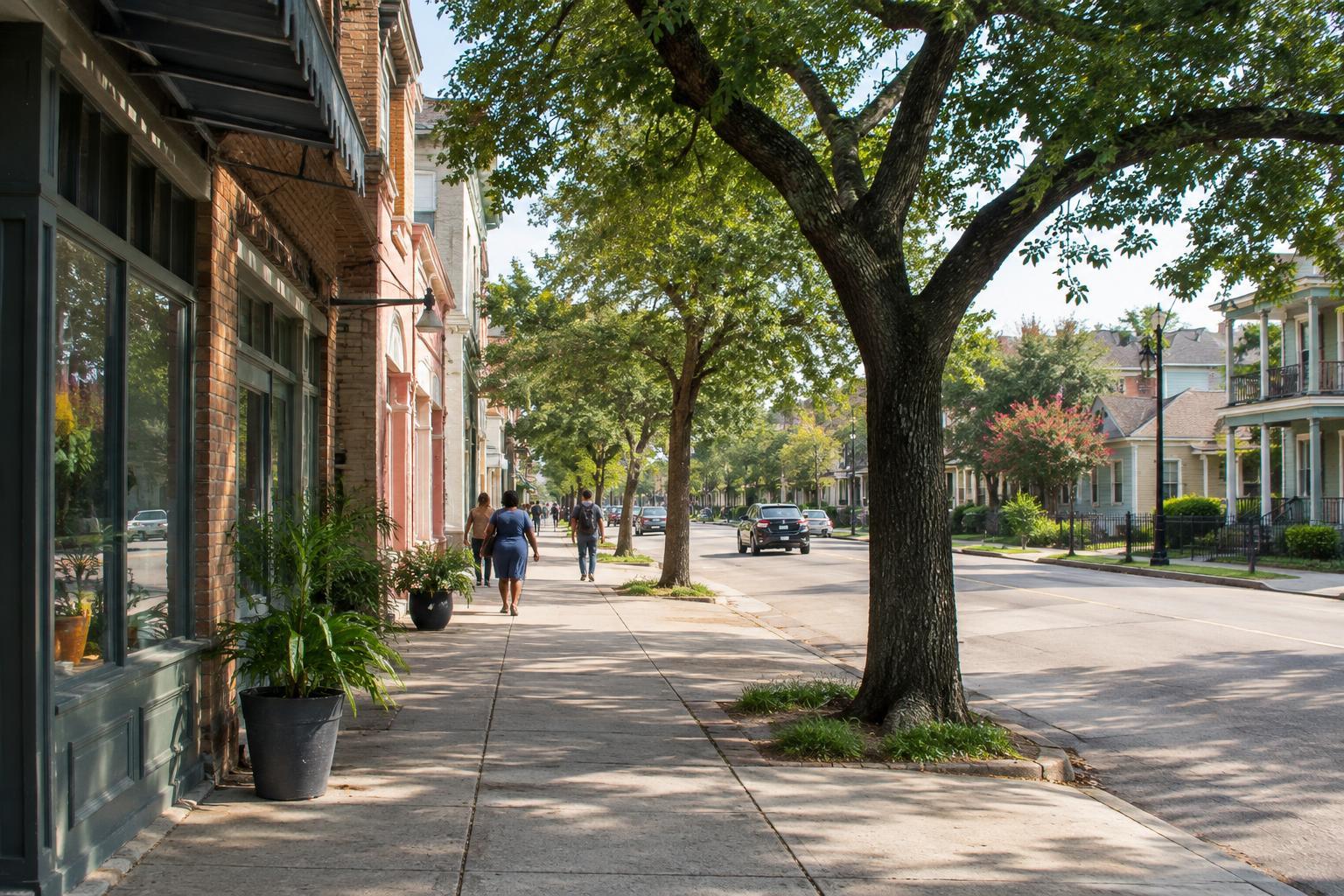
A map can make two stops look close even when the journey between them is inconvenient at night. Before committing to a plan, look at the actual route and consider how you would travel it. Walking may be pleasant for a short stretch, while a longer trip may call for transit or a ride. Factor in waiting, traffic and the time it takes to settle a bill or leave a crowded venue. An evening built around nearby stops is usually easier to adapt than one that requires several cross-town moves.
Choosing a neighborhood as your base for the night also leaves room for discovery. You might arrive early, take a short walk and decide where to pause before your main event. Keep spontaneous stops optional, though. Being open to an unexpected sound or inviting café is different from assuming you can fit every appealing place into a fixed schedule.
Leave space between dinner and music
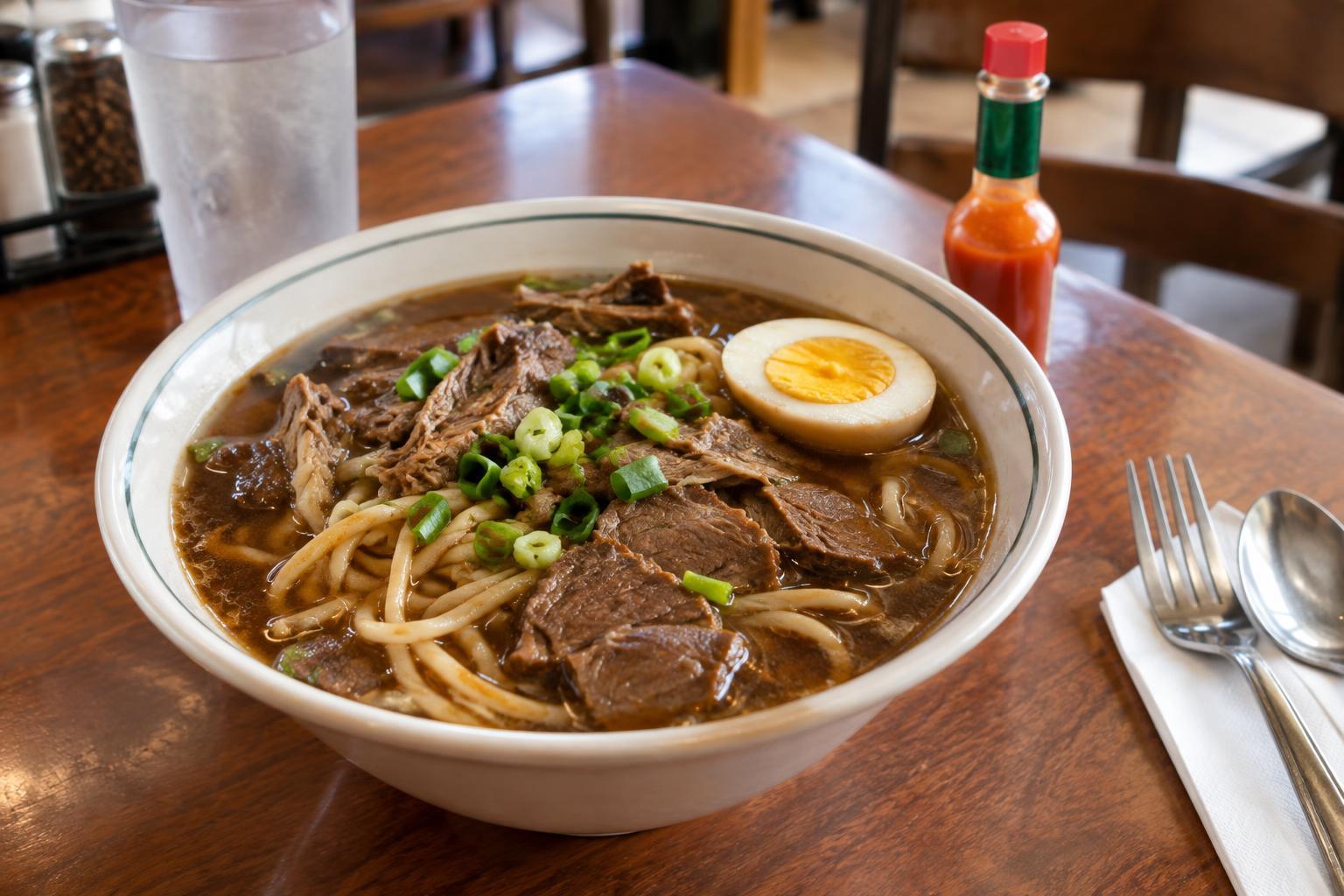
Dinner and live music both reward unhurried attention. If you book a table before a performance, allow time for ordering, eating, paying and reaching the venue without rushing. A quick meal may suit some evenings, but it is worth choosing that deliberately rather than discovering too late that a relaxed dinner conflicts with your plans. If you prefer to eat afterward, check what dining options are likely to suit your timing and have a backup in mind.
Think about your energy as well as the clock. After a day of walking or sightseeing, a break at your lodging can make an evening out more enjoyable. Comfortable shoes, a charged phone and a small plan for unexpected weather can also reduce friction. You do not need a minute-by-minute itinerary; a rough order of events and one or two sensible alternatives are enough.
Plan the return before you go out
Decide how you expect to get back to your lodging while you still have time to compare options. Check the route, pickup arrangements or transit information relevant to your destination, and consider what you would do if your first choice is unavailable. Save your lodging address somewhere accessible without relying on memory. If you are traveling with others, agree on a meeting point in case you separate during the evening.
There is no obligation to stay out until the last possible moment. If the music has been good and you are ready to leave, that is a complete evening. On another night, you may feel like extending it. Keeping your final stop optional lets you respond to your energy, the weather and the atmosphere instead of following a plan that stopped being fun. The best evening is not necessarily the fullest one; it is one you can enjoy from the first stop through the trip home.