Understand what kind of gathering you’re attending
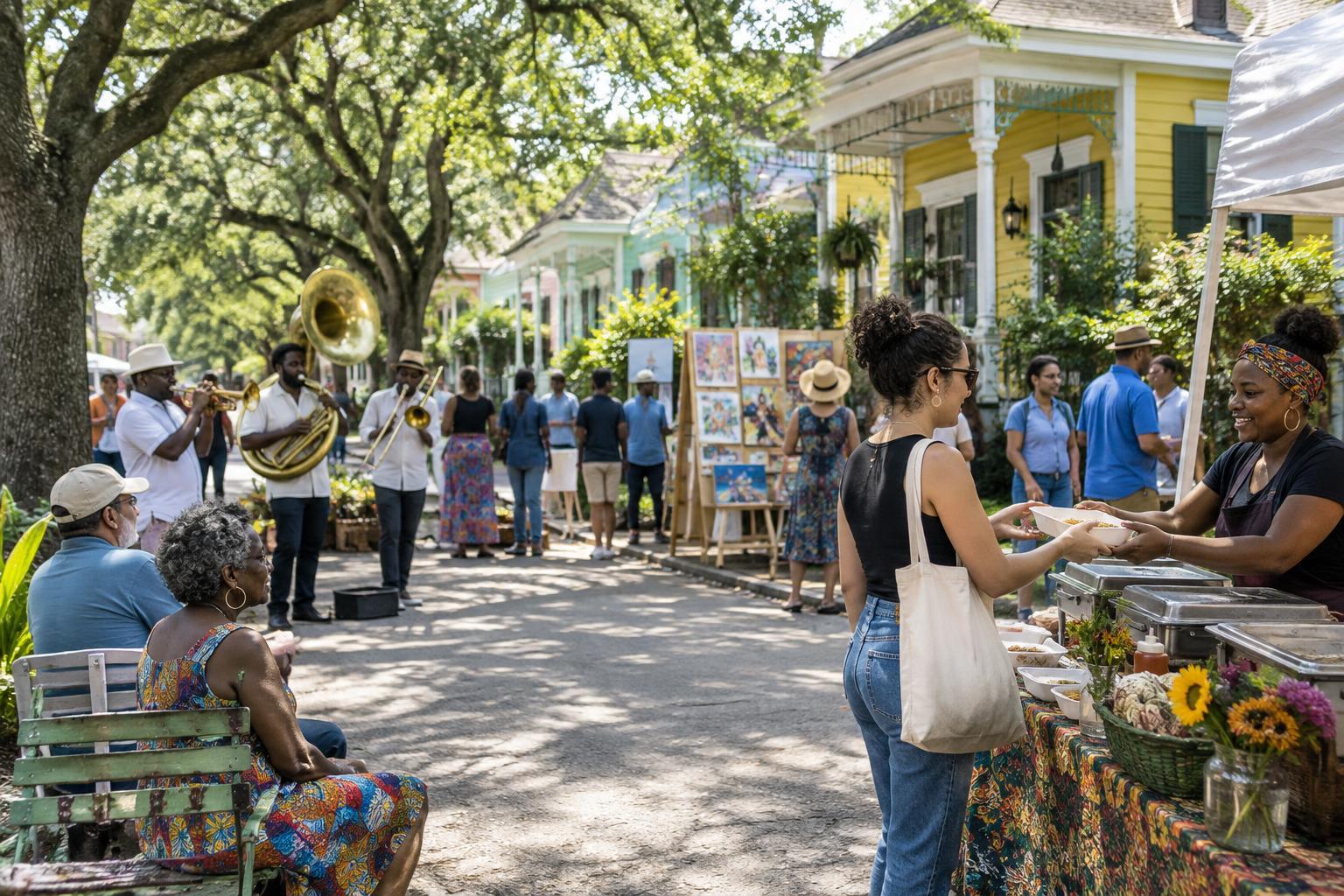
A neighborhood cultural festival is not simply a smaller version of a major tourist event. It may bring together local performers, artists, food vendors, community organizations and neighbors who know one another. Some gatherings are designed partly to raise money or visibility for a particular cause; others celebrate a place or tradition. That purpose shapes the event, even when visitors are welcome.
Before you go, read the organizer’s description rather than relying on a brief event listing. Find out whether the gathering is open to the public, whether entry or particular activities cost money, and whether any parts are reserved for participants. A public performance does not make every nearby gathering space public. If you are unsure whether you can enter an area or join an activity, ask an organizer or volunteer.
Make a flexible plan
Check the organizer’s own information close to your visit for the location, hours, entry arrangements and accessibility details. Festival plans can change, and a familiar event name does not guarantee the same layout each time. If you need seating, a step-free route or another accommodation, contact the organizer when possible rather than assuming that a street event will meet your needs.
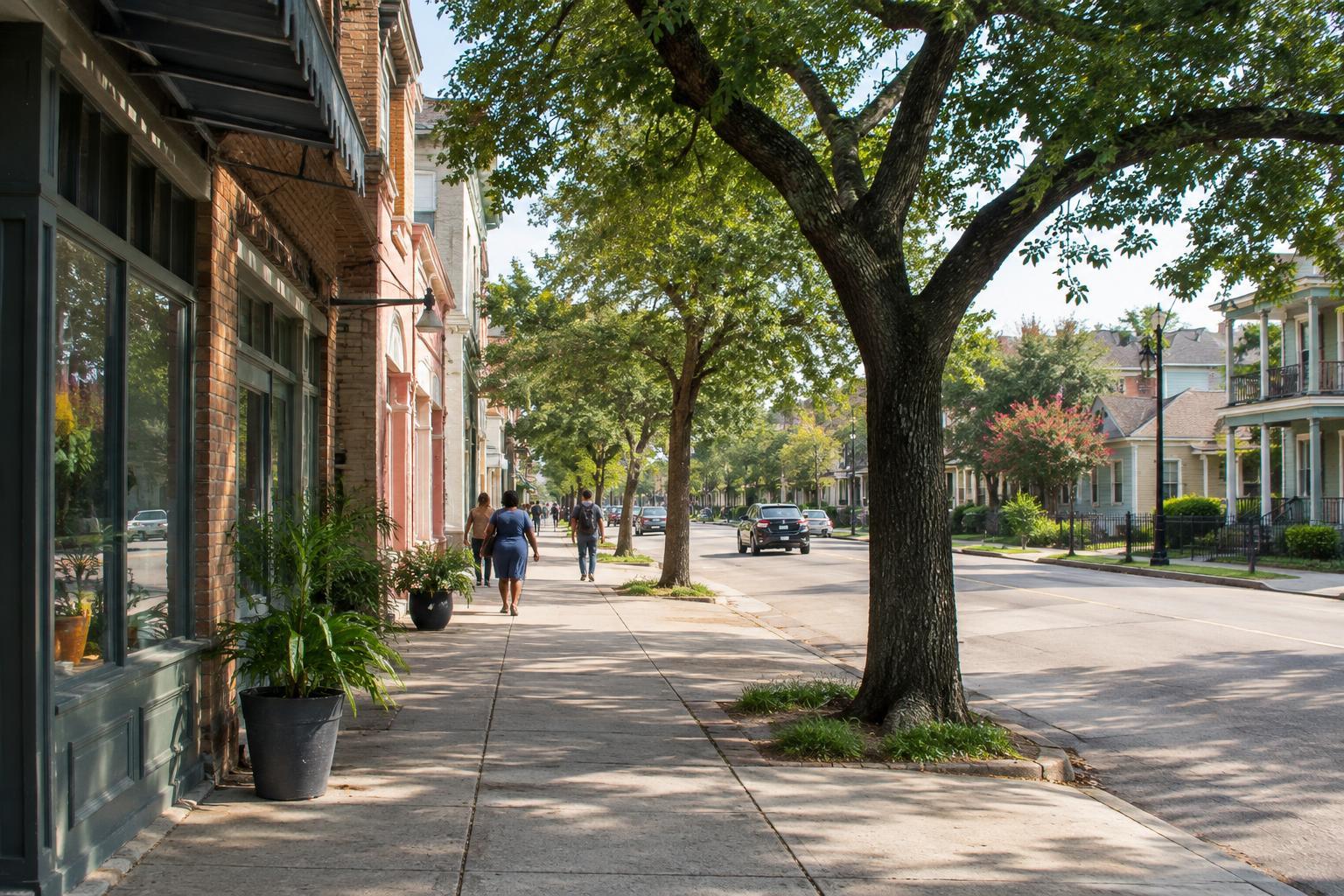
Consider how you will get there and leave without adding pressure to the surrounding blocks. Streets may have limited access, while residential driveways and sidewalks still need to function for the people who live there. Wear shoes suited to walking and standing, bring water, and allow time to find your bearings. A flexible plan makes it easier to enjoy an unexpected performance without rushing past the rest of the event.
Support the people doing the work
Look beyond the stage. A festival also depends on vendors preparing food, artists bringing work to show, people setting up equipment and community groups sharing information. If your budget allows, buy directly from a maker or vendor, pay any requested admission, and follow guidance about donations or tips. You do not need to buy something from everyone, but you can give people room to conduct their work without treating a stall as a photo backdrop.
Take time to learn who made an object or prepared a dish before assigning it a story of your own. Ask questions when a vendor has time to talk, and accept a short answer when they are busy. If you later tell someone about an artist you discovered, use the name or contact information the artist provides rather than presenting their work as an anonymous example of “local color.”
Be a considerate guest in a shared space
Photography calls for judgment, especially when children, residents or people taking part in a cultural practice are involved. A performance in public may be visible to everyone, but that does not mean every close-up is welcome. Follow posted rules, ask before photographing someone at close range, and put the camera away if a participant declines. Watching without recording can be a fuller way to experience a moment.
Leave space for neighbors to move, avoid blocking doorways, and dispose of litter where the organizer directs. If a procession or performance moves through the area, follow instructions from the people managing it rather than pushing forward for a better view. These are small choices, but they acknowledge that the festival occupies a living neighborhood, not an empty venue.
You do not have to understand every reference or tradition to enjoy the day. Listen, read what organizers have chosen to explain, and resist turning a brief visit into a claim of expertise. The most rewarding approach is often simple: arrive prepared, participate where invited, support the people whose work you appreciate, and leave the space ready for its community to use again.