Start with a conversation, not a dish name
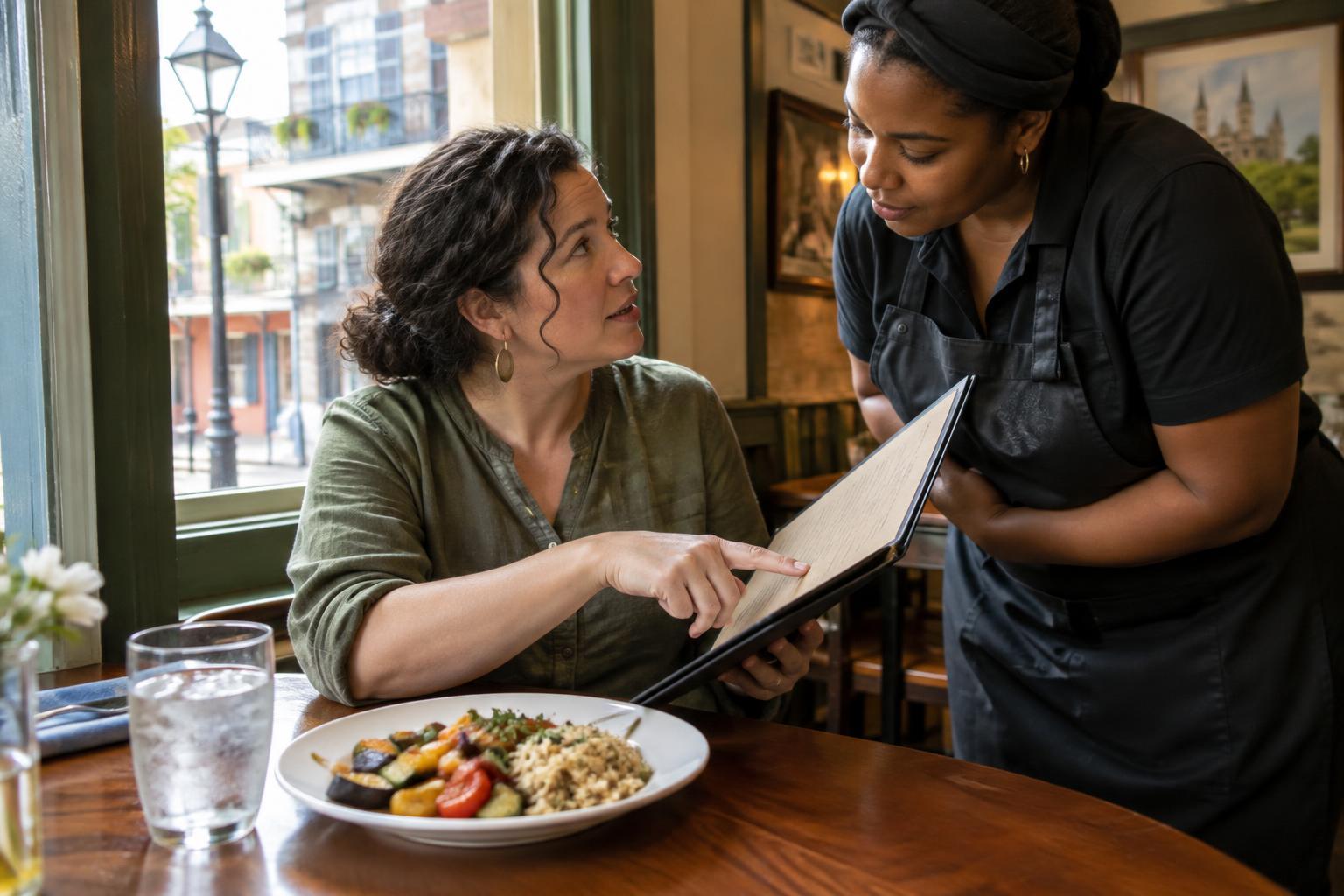
New Orleans food draws on many traditions, and a familiar dish name does not tell you everything in the pot. Gumbo, jambalaya and even a vegetable side can vary from kitchen to kitchen. A menu description is a starting point, not a complete ingredient list. If you have a shellfish allergy, tell the restaurant before ordering and ask whether someone who knows the ingredients and preparation can help.
Be specific about what you need to avoid. Shrimp, crawfish and crab are crustaceans; oysters, clams and mussels are mollusks. People’s allergies and the precautions they need differ, so do not assume that “seafood allergy” communicates your requirements. Explain which ingredients are a concern for you and whether cross-contact matters. If you have a personal allergy plan from a clinician, follow it while traveling.
Look beyond the obvious seafood dishes
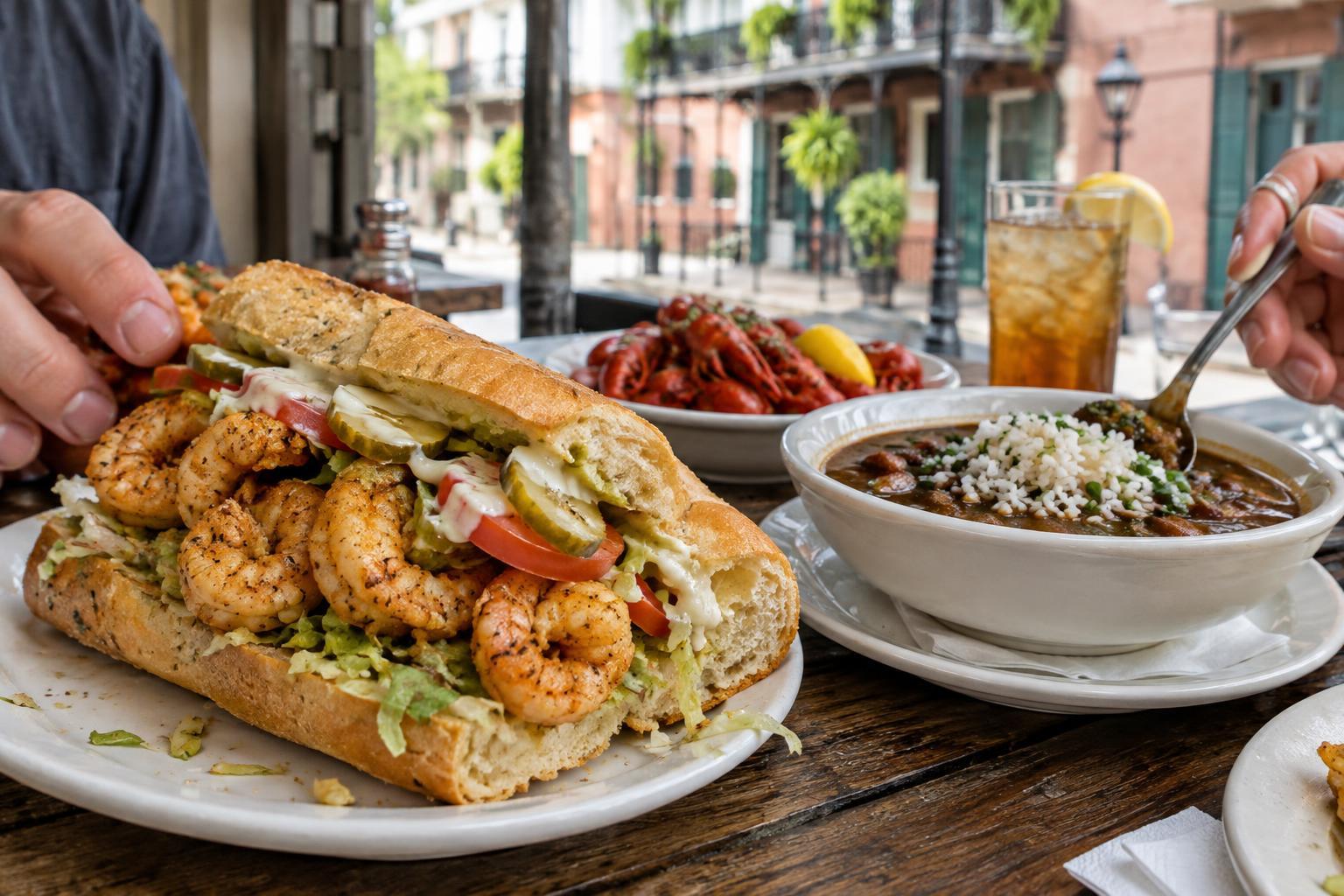
Some menu choices announce their shellfish plainly: a shrimp po’boy, crawfish étouffée or chargrilled oysters calls for no guesswork. Other dishes deserve questions even when shellfish is not in the name. Ask what goes into gumbo, jambalaya, red beans and rice, soups, gravies and sauces rather than relying on a label such as “chicken” or “vegetarian.” Recipes may include seafood stock or a shellfish garnish, and preparations can change.
A useful question is, “Does this dish, including its stock, sauce and garnish, contain shrimp, crawfish, crab, oysters or other shellfish?” If the answer is uncertain, ask whether the kitchen can check the recipe. Do not treat the removal of a visible topping as proof that the rest of a dish is suitable.
Ask how the food is prepared
Ingredients are only part of the conversation. A dish without shellfish in its recipe may be prepared on equipment also used for shellfish. Shared fryers are worth asking about when ordering fries, fried chicken or other fried foods alongside fried shrimp or oysters. Shared grills, utensils, cutting surfaces and boiling equipment may also matter, depending on the restaurant’s setup.
Try a direct, manageable question: “Is this prepared with separate equipment from shellfish, and can the kitchen avoid cross-contact?” Give the staff time to check rather than asking for an immediate guarantee. A confident-sounding menu description cannot replace an answer from someone familiar with the kitchen. If the restaurant cannot confirm that it can meet your needs, choosing another place or another meal is a reasonable decision.
Make room for the pace of the evening
Food and nightlife often overlap in New Orleans. You might plan dinner before music, seek a late meal or stop for a quick bite between venues. When possible, leave enough time to discuss your allergy before the kitchen gets busy. If a restaurant takes reservations, you can mention your needs when booking and repeat them when you arrive; an advance note is helpful, but it is not a substitute for checking in person.
Keep a backup option in mind so that leaving an uncertain kitchen does not mean going hungry. It can help to identify another meal or place that you are comfortable considering, rather than counting on a particular specialty being adaptable. Venue menus, staffing and preparation practices can change, so confirm details directly instead of relying on an old review or a previous visit.
Enjoy the food culture without taking a gamble
Having an allergy does not require you to guess your way through a New Orleans menu. You can still ask about local flavors, cooking methods and ingredients while being clear about your limits. A server may be able to point you toward dishes the kitchen can discuss in detail; they may also tell you that a dish or preparation area cannot meet your needs. Both answers help you make an informed choice.
Be courteous, but do not downplay the allergy to make ordering easier. Check the full dish, ask about shared equipment, and decline food when an answer remains unclear. The best meal for your visit is one you can choose with confidence based on your own needs and the information the restaurant can actually provide.