Expecting every dish to have one correct version
A visitor may arrive with a firm picture of what gumbo, jambalaya or étouffée should look like, then assume a different version is wrong. New Orleans cooking draws on overlapping family, neighborhood and restaurant traditions. Ingredients, seasoning and texture can vary considerably. A menu description is usually a better guide to the dish in front of you than an imagined standard.
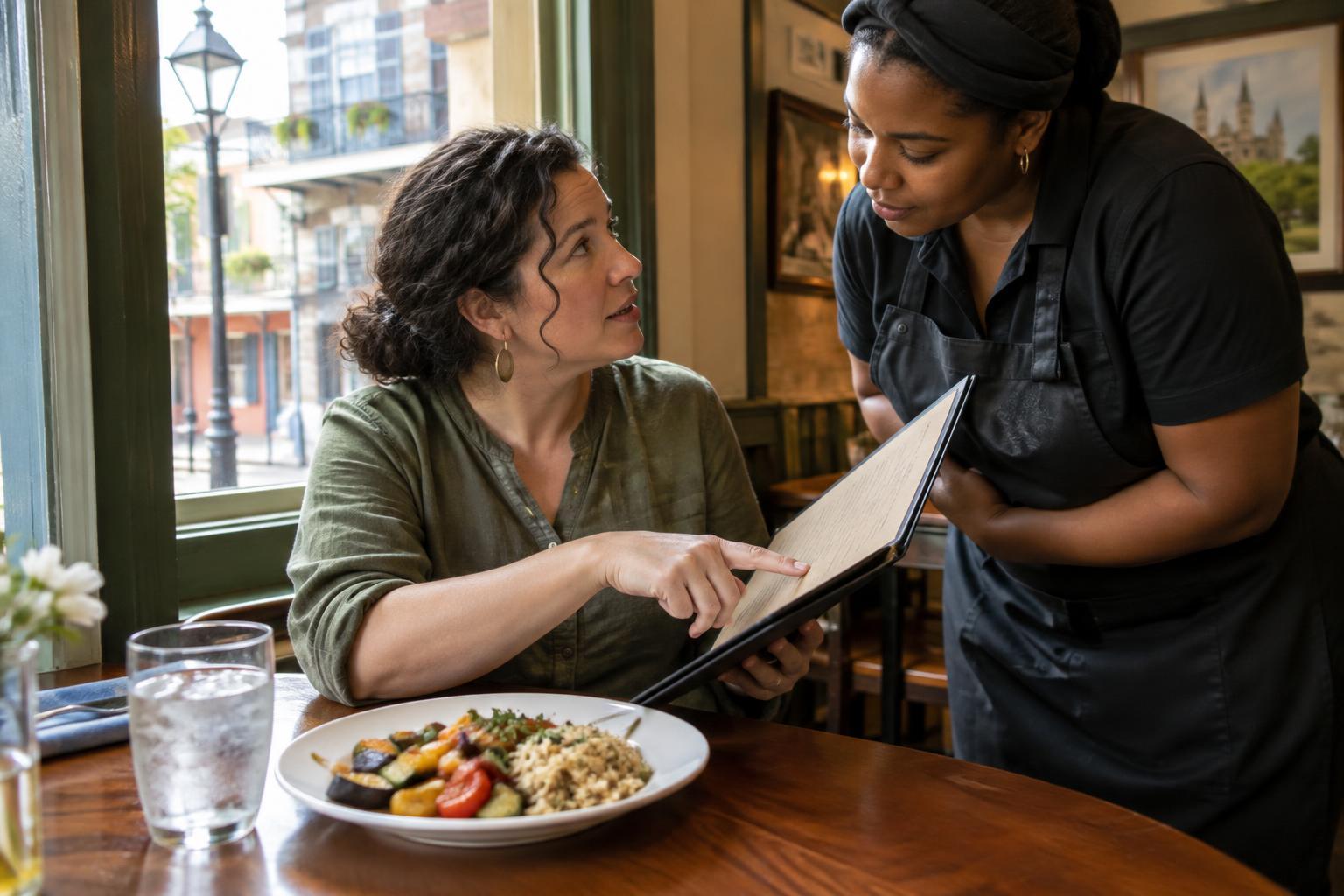
Read for specifics before ordering. Gumbo might feature seafood, poultry, sausage or a combination; jambalaya can differ in color and ingredients; and a dish described as “smothered” may have a sauce or gravy. If a description leaves out something important to you, ask a focused question: “What protein is in this gumbo?” or “Is this dish served over rice?” You do not need to know every term to order well.
Missing the small choices that change a po-boy
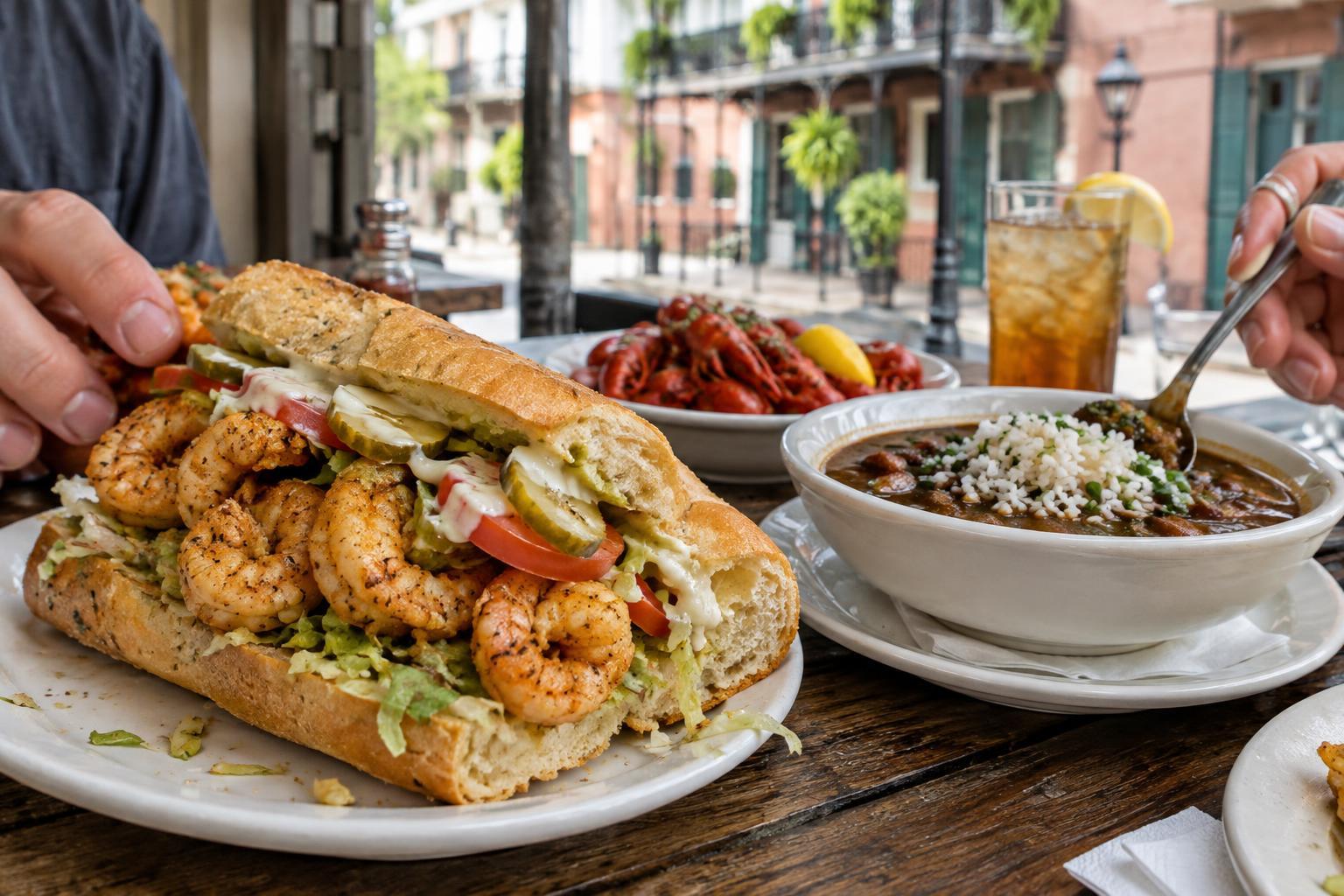
Ordering a po-boy by its filling alone can leave you with a sandwich you did not expect. “Dressed” commonly means lettuce, tomato, pickles and mayonnaise, but the details can differ by shop. Some places offer gravy, hot sauce or other additions; others have a house style. If you have strong preferences, say so rather than assuming every counter uses the same shorthand.
It also helps to check the size before ordering sides. A large po-boy can be a substantial meal, while smaller options may suit someone hoping to try another dish later. Ask whether the sandwich comes with anything, and whether a particular topping costs extra. These quick questions are especially useful when ordering at a busy counter, where a clear request is easier for everyone.
Assuming crawfish and seafood work like a fixed menu
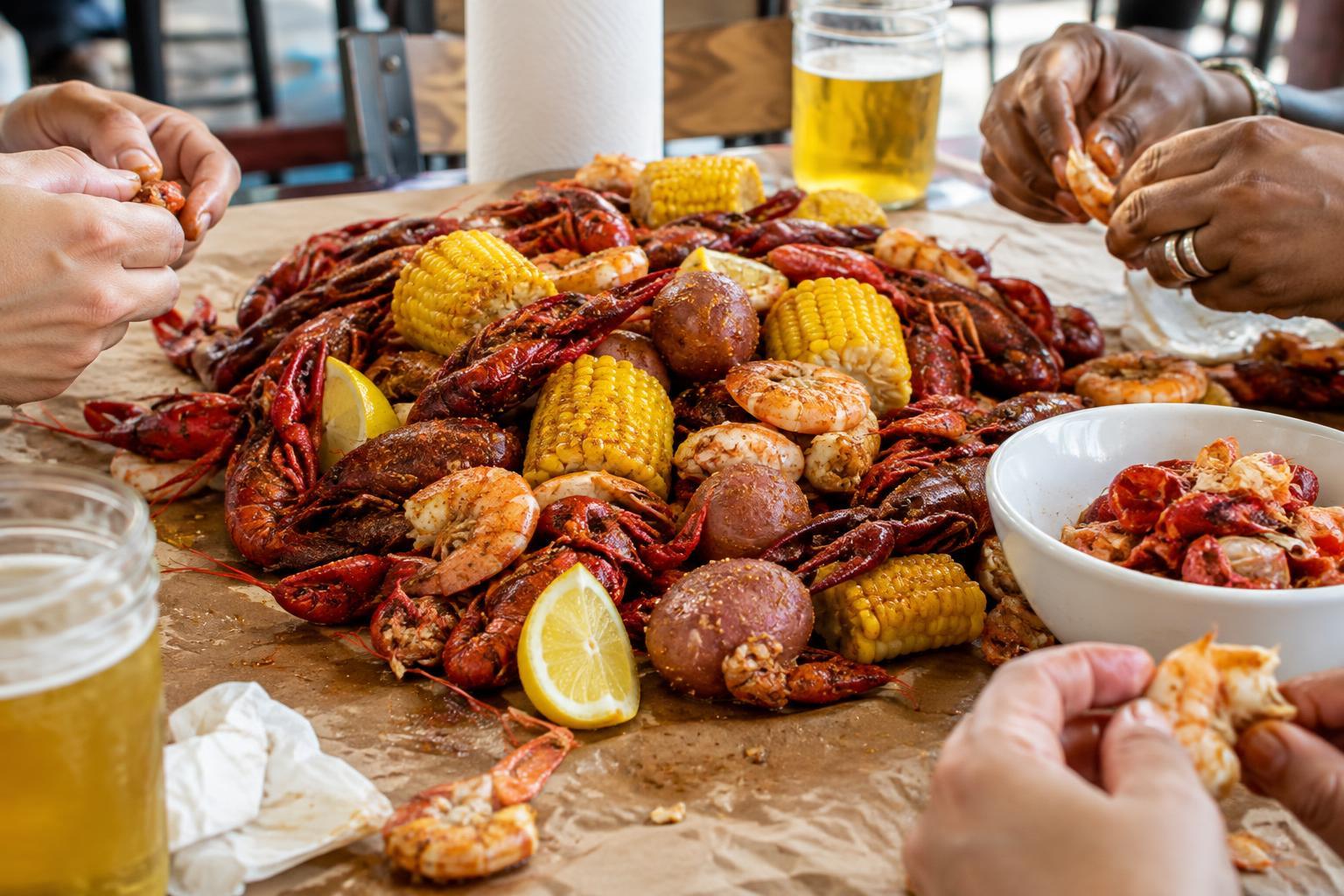
Boiled crawfish are closely associated with Louisiana, but they are not a dependable year-round order. Availability and quality can vary with season, weather and supply. A restaurant might serve other crawfish dishes when a boil is not on offer, and those dishes provide a different experience. If crawfish are your priority, check what is available before making them the centerpiece of your meal plan.
Seafood orders deserve a little attention to preparation, too. “Fried,” “grilled” and “blackened” describe noticeably different results, and a seafood platter may contain more than one type of fish or shellfish. If you have an allergy or dietary restriction, tell the staff directly and ask about ingredients and preparation rather than relying on a dish name. Kitchens differ, and it is better to learn that a choice will not work for you before placing the order.
Treating heat, sweetness and richness as surprises
Visitors sometimes use “spicy” as a catchall for New Orleans food. Seasoning matters, but not every local dish is meant to be fiery, and adding hot sauce before tasting can cover up flavors you came to try. Start with a bite. If you want more heat, ask what condiments are available; if you are sensitive to it, ask how the kitchen prepares a dish before ordering.
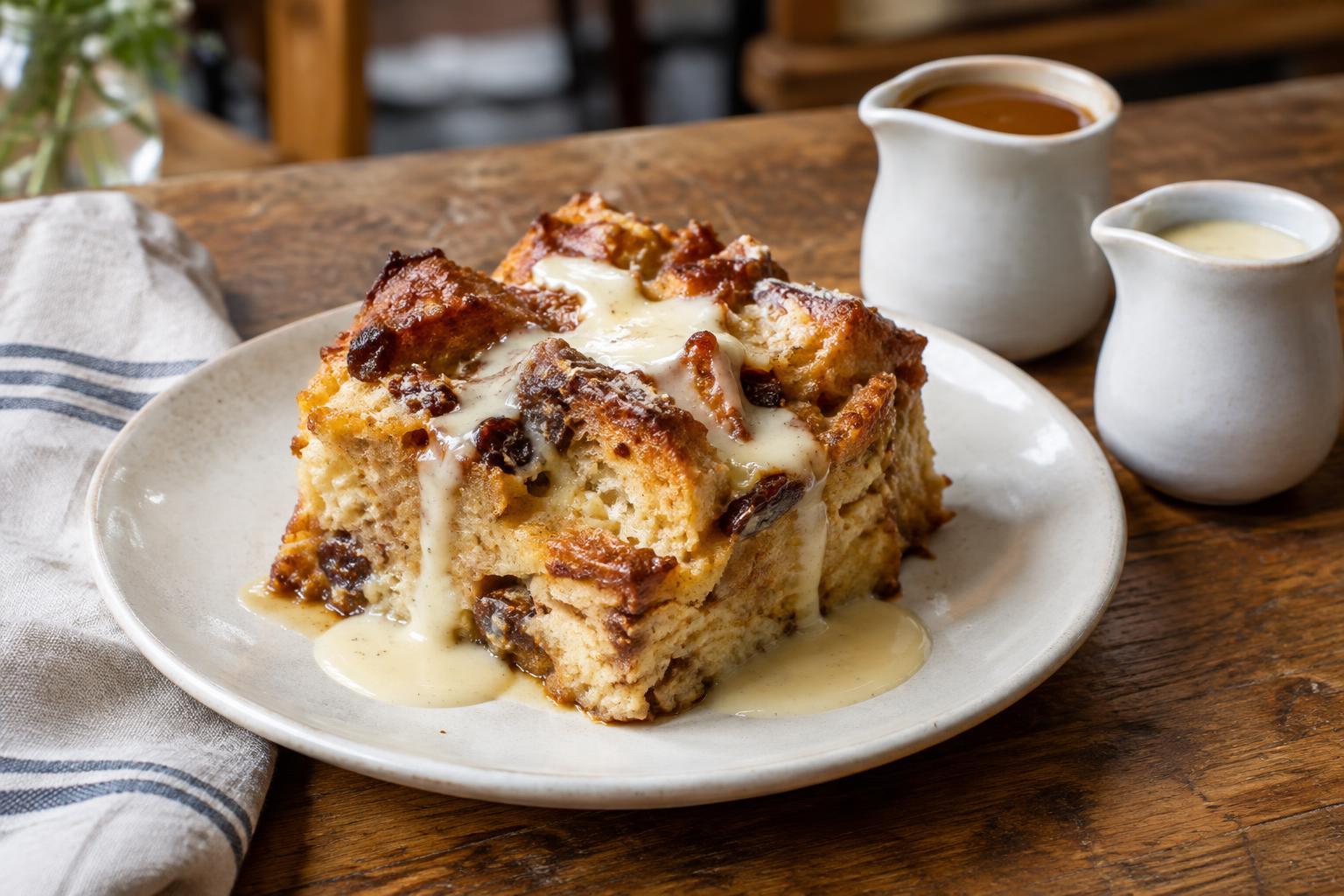
It is equally easy to underestimate richness. A muffuletta’s olive salad brings a salty, tangy character, while its bread, meats and cheese make it filling. Beignets arrive as a sweet treat rather than a light stand-in for a full meal. Red beans and rice may sound like a simple side, but a serving can be hearty and may contain meat. Read descriptions and ask about portion sizes when you are planning to order several things.
Turning a meal into a checklist
Trying to fit gumbo, a po-boy, fried seafood and dessert into one sitting can make the meal feel like an assignment. Choose one or two priorities, then leave room for whatever the menu does particularly well. Sharing can help you sample more, but ask whether a dish is practical to split and order enough for the people at your table.
Finally, match your order to the place. A quick counter lunch and a slower sit-down dinner offer different chances to ask questions and try courses. Check a venue’s current menu and hours before you go; offerings can change. Once you are there, a specific, courteous question often does more for your meal than memorizing a list of supposedly essential dishes.