Start with the trip you want to take
A useful travel budget begins with an itinerary, not a single daily spending target. List the number of nights you will stay, who is sharing costs and the experiences that matter most. A visitor hoping to hear live music every night will spend differently from someone planning long walks, casual meals and one special dinner. Mark your priorities before looking for places to cut.
Separate the budget into costs you can estimate before departure and costs that depend on your choices each day. Transportation to New Orleans, lodging and any advance reservations belong in the first group. Meals, local rides, music, drinks and spontaneous stops belong in the second. This makes it easier to see whether a tempting room rate leaves enough money for the trip itself.
If you are traveling with others, agree on what you will share. Splitting a room does not necessarily mean splitting every ride, meal or late-night outing. A simple shared plan can prevent awkward surprises once you arrive.
Price the full stay, not just the room
Lodging can be one of the largest trip expenses, so compare the total cost of each option rather than its advertised nightly price. Check taxes, booking charges, parking, cleaning fees or other required costs where applicable. Also read the cancellation terms before treating a reservation as settled. Prices and policies can change, so use the amount shown at checkout for your actual travel dates.
Location affects more than the room bill. A less expensive stay may require more rides to reach the places you want to visit, especially if you plan to return late. A room near your main activities might cost more upfront but simplify the day. Neither choice is automatically cheaper: sketch out your likely trips before deciding.
Give special attention to the first and last days. Airport transfers, baggage storage or an extra meal while waiting for a check-in can be easy to overlook. If you are considering a car, include parking as well as the rental cost; for a walkable itinerary, compare that total with the rides you expect to take.
Budget for food and music the way you will enjoy them
New Orleans offers plenty of ways to eat well, but a food budget should reflect your habits. Plan for breakfast, lunch, dinner, snacks and drinks rather than assigning one amount to every meal. You might choose a quick lunch and set aside more for a sit-down dinner, or keep meals simple so you can spend more evenings listening to music. Review menus for places you hope to visit, and check whether reservations, minimum purchases or service charges apply.
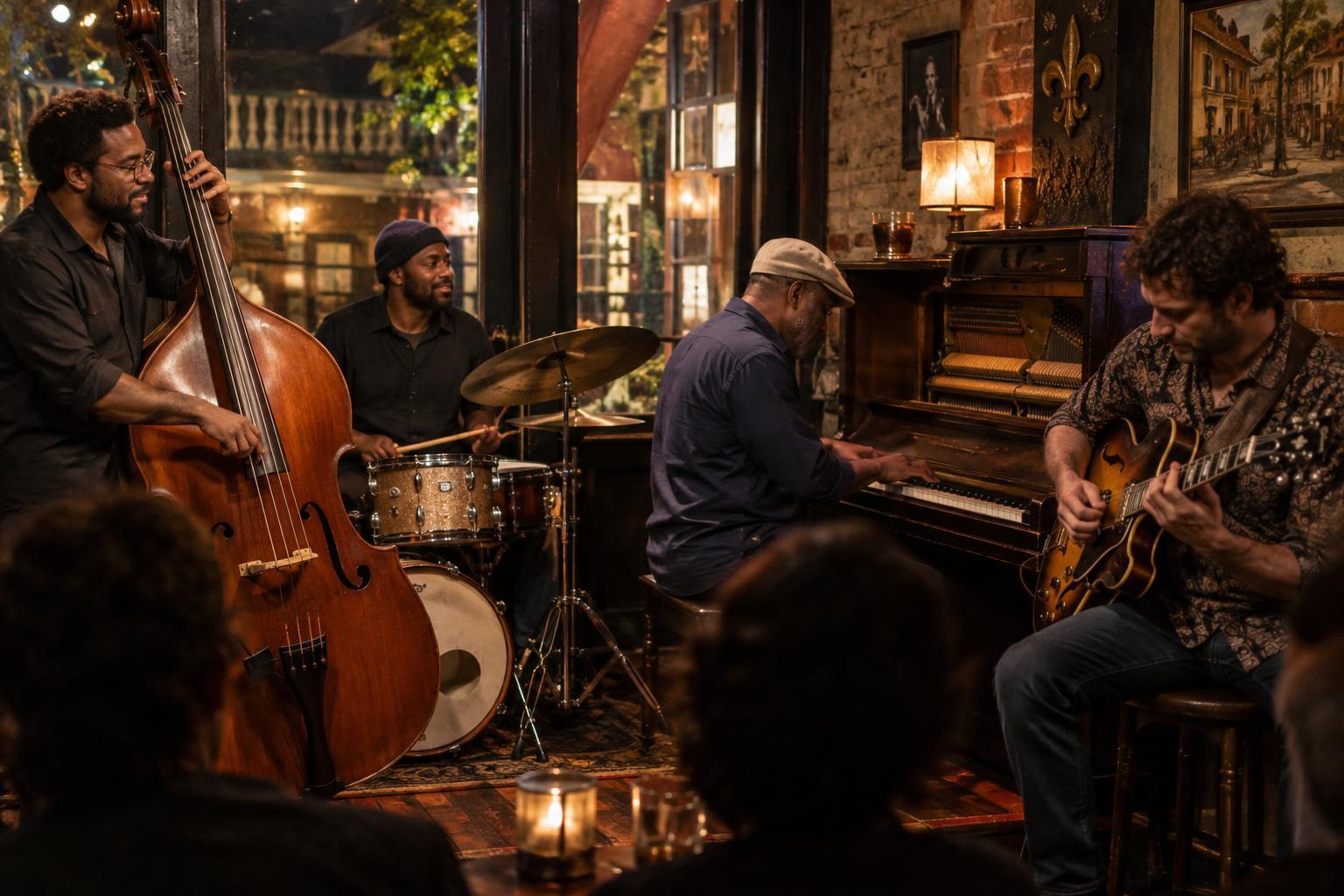
Treat nightlife as its own category. Some performances may have a cover charge or ticket price; others may invite tips, and a low-cost entry does not mean the entire evening will be free. Add what you expect to spend on drinks, late-night food and the ride back. Keep cash or another suitable way to tip performers and service workers, and do not assume the same payment options or policies apply everywhere.
Build a few flexible choices into your plan. If one dinner or show costs more than expected, a less expensive meal or a quiet evening can help you stay within your overall budget without making the trip feel like an exercise in accounting.
Map transportation by day and time
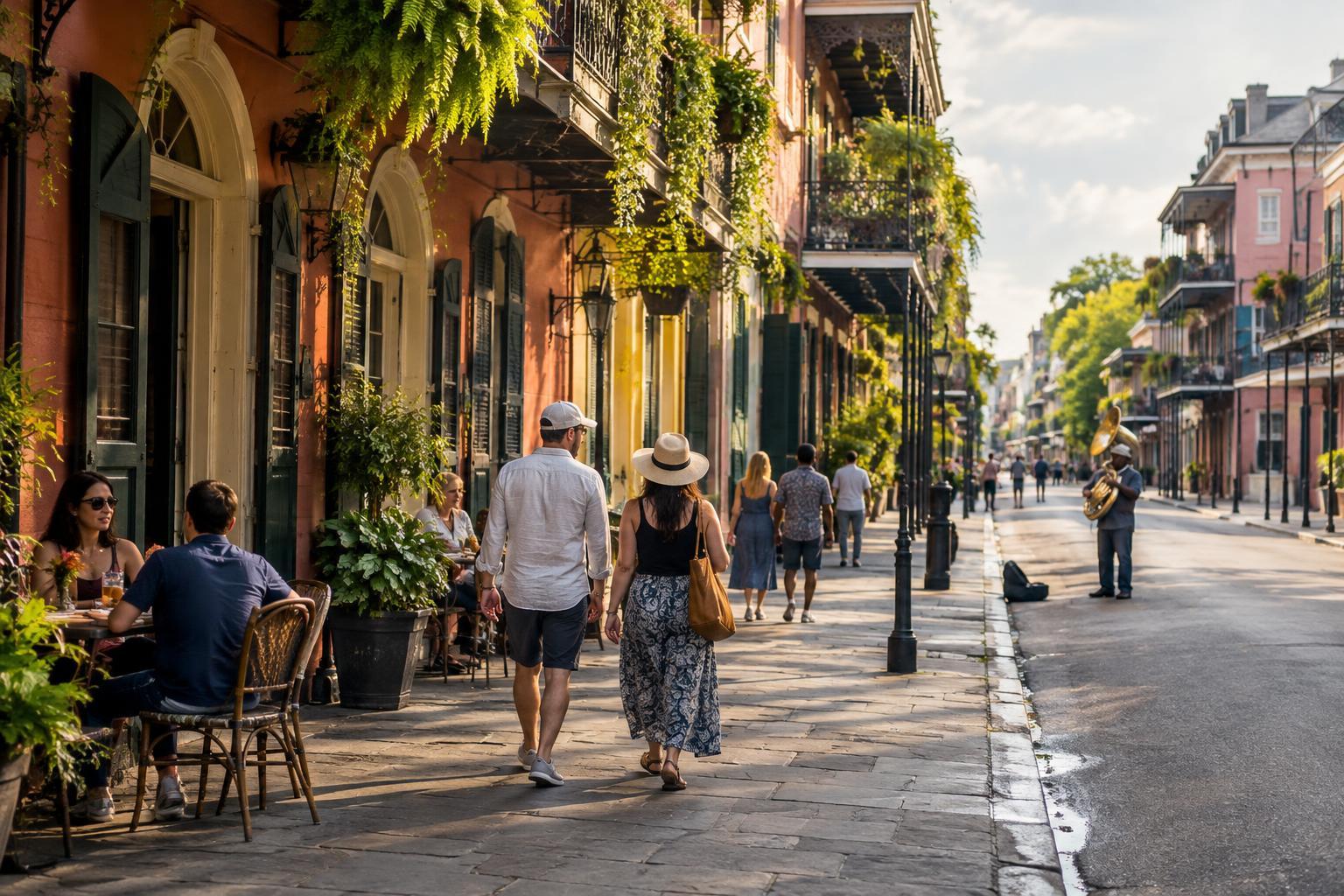
Group activities by area before estimating local transportation costs. A day spent exploring nearby streets may require little paid travel, while an itinerary that crosses town several times can make rides a substantial expense. Consider how far each destination is from your lodging, whether everyone in your group is comfortable walking that distance and how you will get back after dark.
Public transit, taxis, rideshares and walking can each be useful for different trips. Check current routes, fares, operating hours and pickup details before relying on a particular option. Allow room in the budget for a ride when weather, fatigue, mobility needs or a late finish makes your original plan impractical. The cheapest route on paper is not always the one you will want to use.
Add a cushion and make the numbers usable
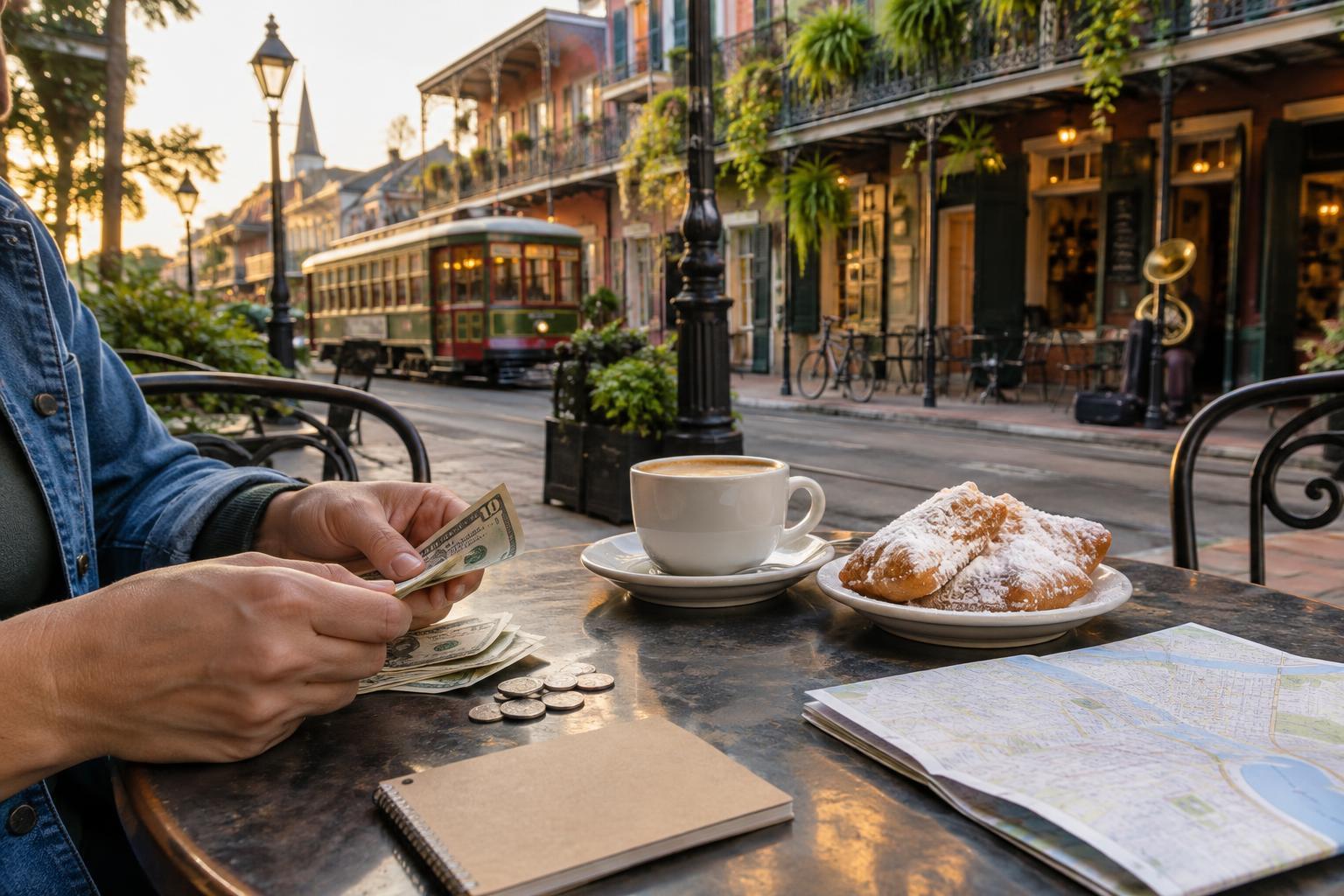
Once you have estimates for travel, lodging, food, music and local transportation, add a separate amount for unplanned spending. It can cover a changed route, a longer evening, a small purchase or a meal that costs more than anticipated. Treat this as part of the budget from the start, not as money you hope you will not need.
Then turn the total into a practical daily guide. Keep fixed costs separate from a flexible amount for each day, and note which days include a booked activity or a pricier meal. You do not need to spend exactly the same amount every day; the guide is there to help you make tradeoffs while you still have choices.
Before departure, check the details most likely to change: room totals, transportation fares, venue admission policies, menus and reservation terms. Leave space for something you discover along the way. A realistic New Orleans budget should support the experiences you came for while giving you permission to enjoy an unexpected one.