A neighborhood to explore at an everyday pace
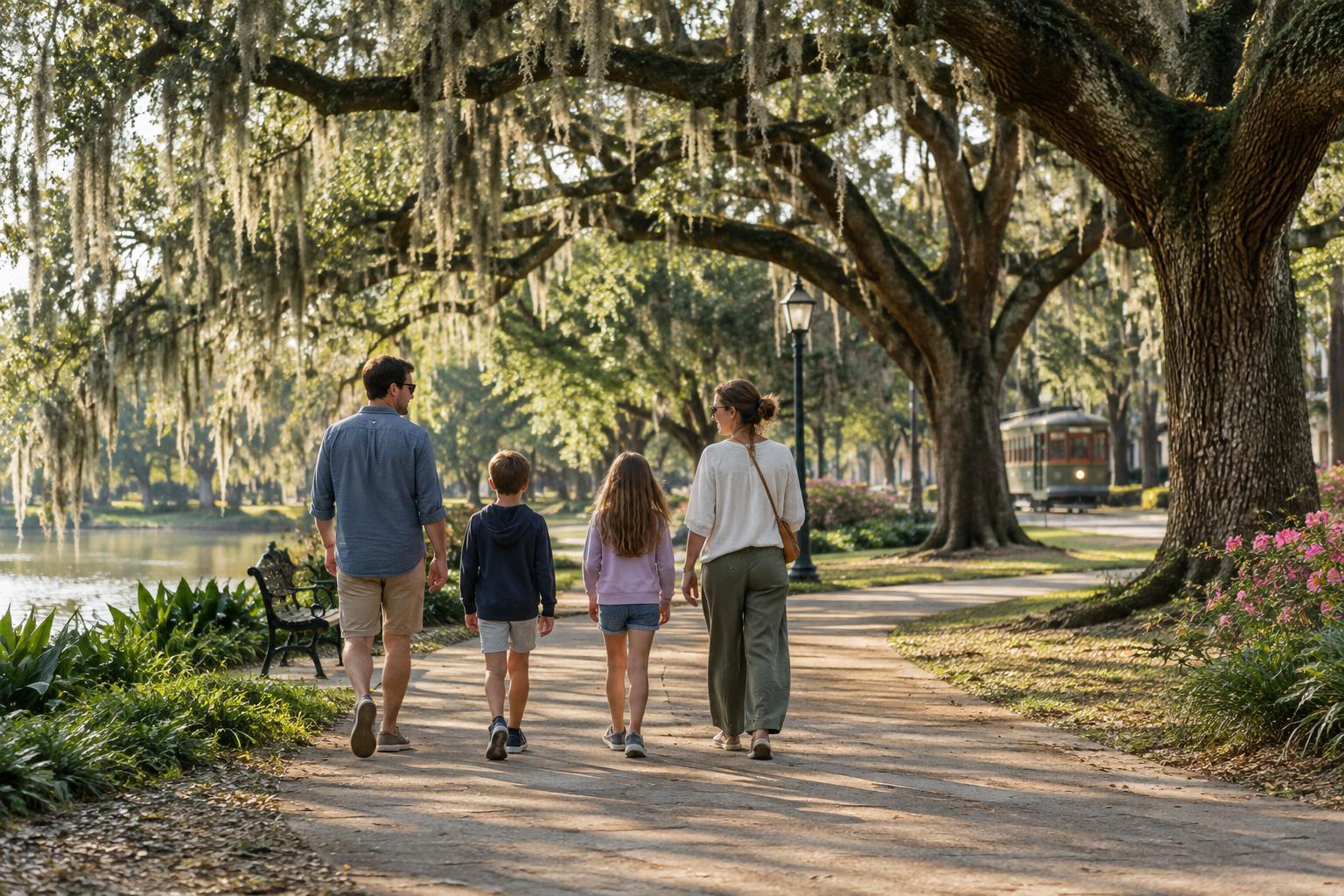
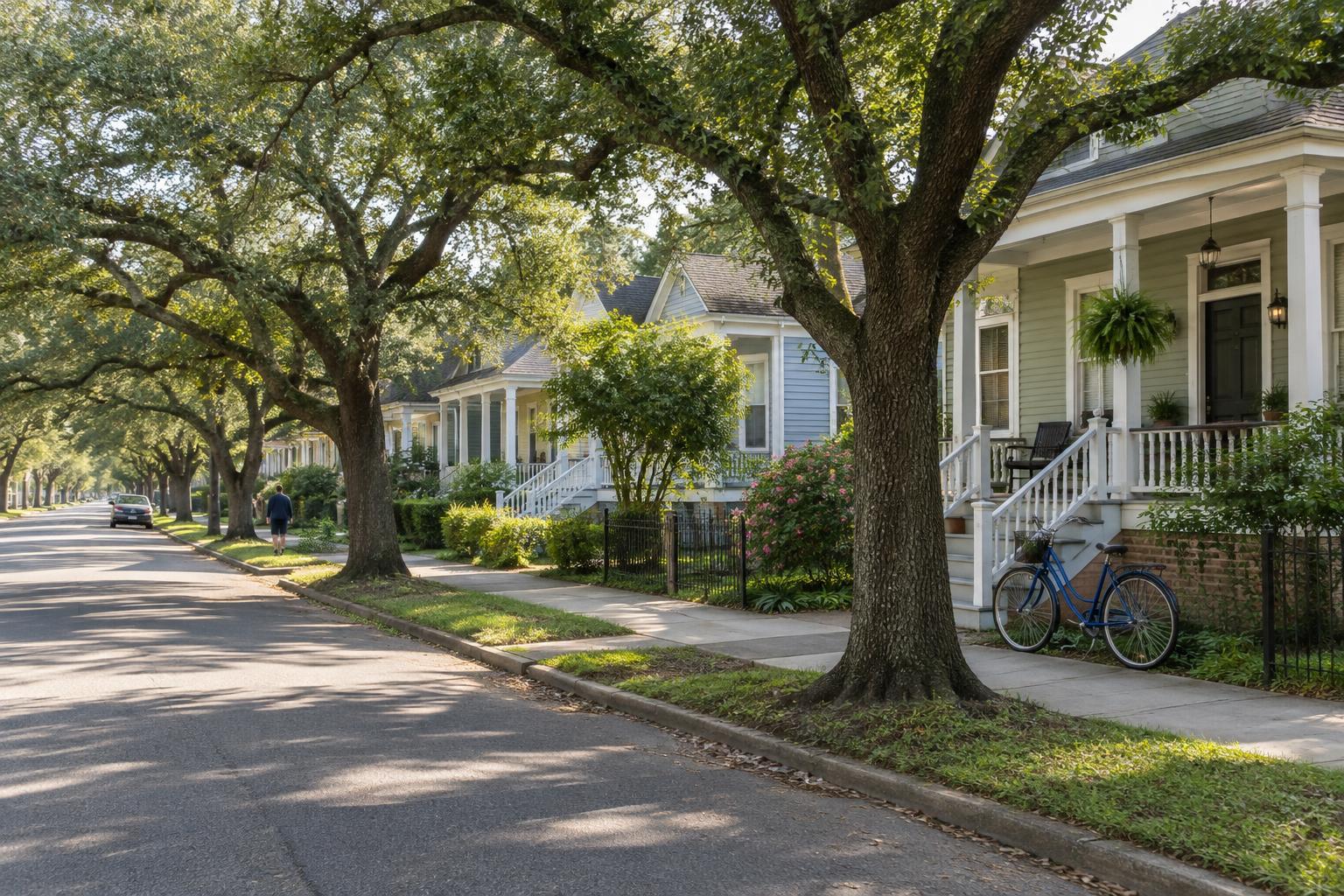
Broadmoor is a largely residential New Orleans neighborhood between the city’s better-known Uptown and Mid-City areas. It is not a district built around a single nightlife strip or a checklist of attractions. Its appeal for a visitor lies in seeing another side of the city: homes and corner businesses, people using shared spaces, and the ordinary rhythm of a neighborhood that residents have worked to sustain.
That makes Broadmoor a good choice if you enjoy a purposeful walk, have a nearby stop in mind or want to understand New Orleans beyond its busiest visitor corridors. It is less suited to wandering from one open attraction to the next without a plan. Give yourself time to look around, but remember that a quiet block is someone’s home, not an outdoor museum.
Getting oriented before you go
South Broad Street and Napoleon Avenue are useful reference points when looking at a map of Broadmoor. Neighborhood boundaries may be described differently depending on the map or local context, so use the address of your destination rather than relying on a boundary line. Blocks can change character quickly in New Orleans; a route that looks simple on a screen may include busy crossings or stretches with little shade.
Pick one or two stops and check how you will travel between them. If you are walking, consider the weather, daylight and the condition of sidewalks, which can be uneven. If you are taking transit or visiting after dark, check the route and return options before setting out rather than assuming a frequent service or an easy pickup. Driving can be practical for some trips, but read parking signs closely and leave driveways, corners and access points clear.
Broadmoor can also fit into a wider day without needing to fill the whole itinerary. A planned stop here pairs more naturally with a meal, library visit or neighborhood walk than with a hurried attempt to cover every nearby district. Build in flexibility: small businesses and community facilities may change their hours, and an event space is not necessarily open to drop-in visitors.
Community spaces are part of the story
The Rosa F. Keller Library and Community Center is a useful place to learn about when planning a visit. As with any library or community facility, confirm its current hours, access and programming directly before you go. Even if you only pass by, it offers a reminder that public spaces serve neighbors first: people may be reading, attending a program, meeting one another or taking care of daily tasks.
Broadmoor is also associated with resident-led efforts to care for and rebuild the neighborhood after severe flooding. That history matters, but it calls for more than a quick photograph or a simplified story of loss and recovery. If you want to learn about local organizing, look for information shared by neighborhood groups or public institutions, and follow their lead on whether an event welcomes visitors. Buying something from a local business, attending an open program or simply treating shared space with care can be a more meaningful way to engage than seeking out private homes.
How to be a considerate visitor
Keep photographs focused on public streetscapes and places where photography is welcome. Avoid aiming a camera into homes, photographing residents without permission or using flood history as a backdrop. Stay on public paths, keep noise down near houses and give people room to go about their day. These are simple habits, but they matter especially in a neighborhood where daily life, not tourism, sets the pace.
If you stop at a café, shop or community event, be curious without expecting anyone to perform a version of New Orleans for you. Ask straightforward questions when appropriate, observe posted rules and accept that some spaces and gatherings are intended for residents. Broadmoor rewards that approach: arrive with a destination, leave room for an unhurried walk and let the neighborhood be more than a detour between famous sights.