The setting changes the music
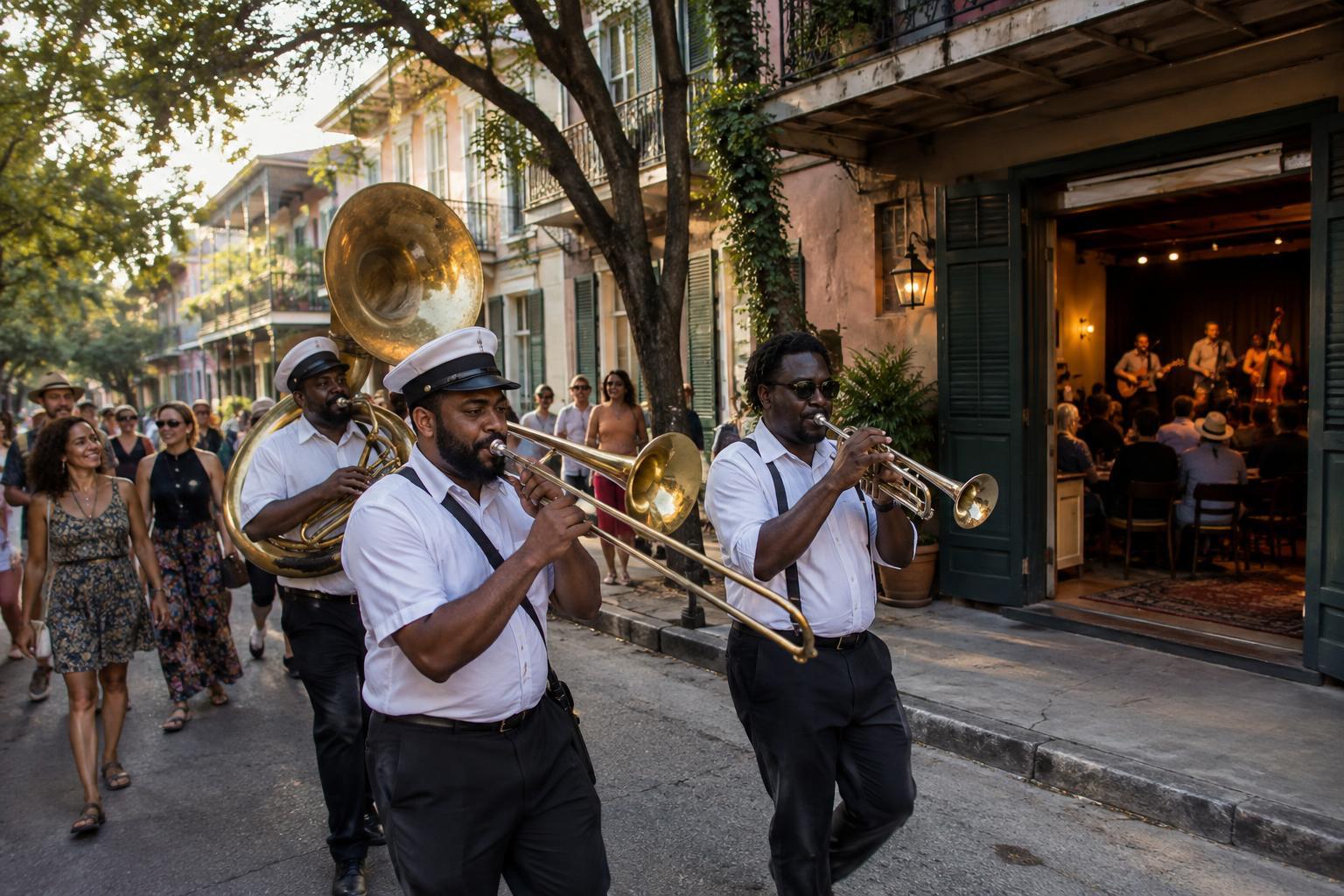
A New Orleans brass band can make a room feel like it is moving, even when everyone is standing still. Put that band on a street, and movement becomes part of the music itself. Players walk, dancers respond, and the sound reaches listeners at different moments as the procession approaches and passes. A stage show puts the band in one place, giving you more time to hear how the horns, drums and individual players work together.
Neither setting is the definitive way to hear a brass band. A parade can reveal the music’s relationship with neighborhood streets and the people gathered there. A stage show can bring its arrangements and improvisation into sharper focus. If you have time for both, treat them as different experiences rather than trying to rank one above the other.
What you hear on the street
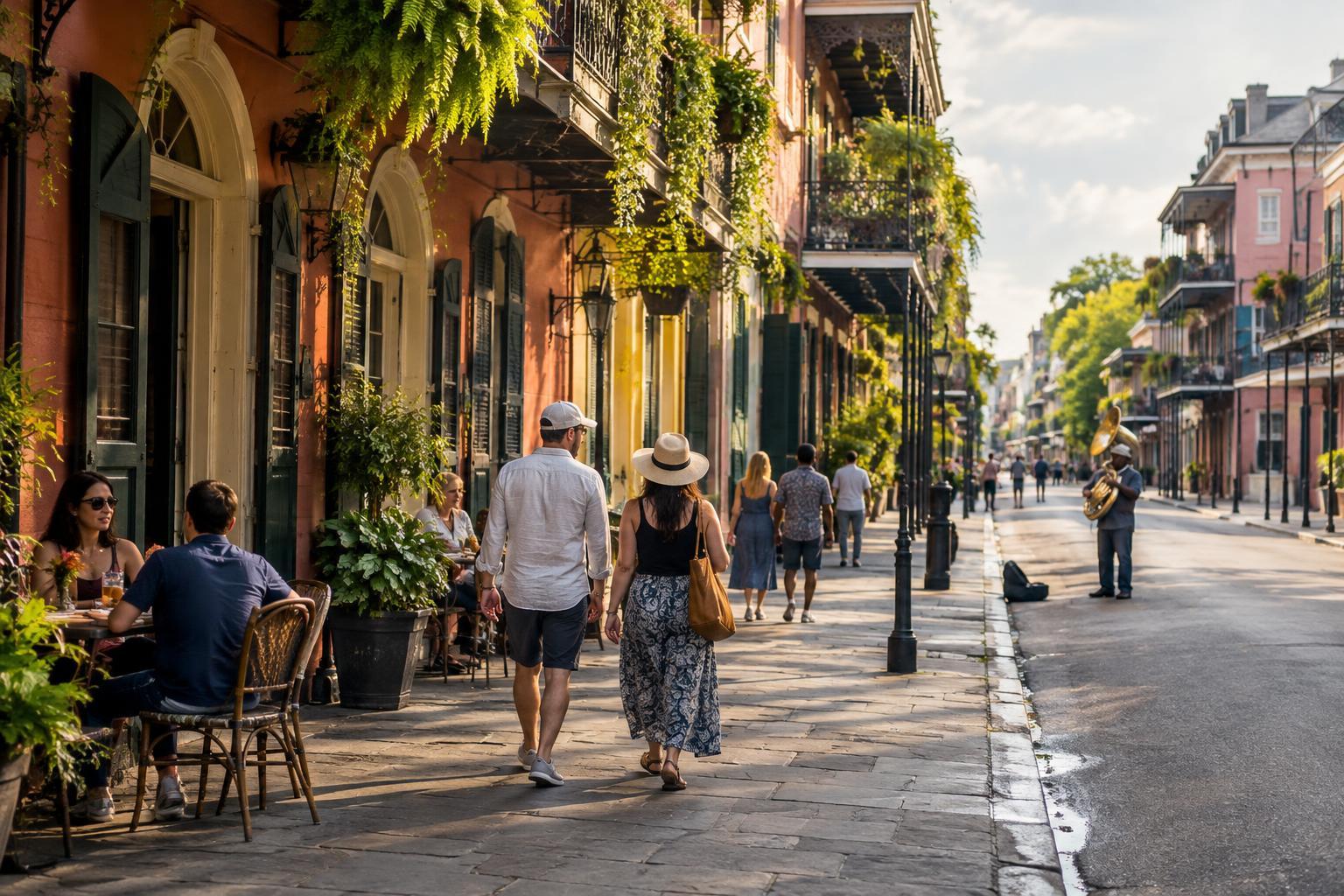
At a parade, the sound is physical and changeable. The rhythm may reach you before the horns do. Once the band passes, a familiar tune can feel different from the side or from behind. Conversation, dancing and the movement of the crowd become part of what you hear. You may catch only portions of a song as the musicians travel, which is part of the experience rather than a flaw in it.
Brass bands appear in different kinds of processions, with different purposes and expectations. A social aid and pleasure club second line is not simply a roaming concert, and a funeral procession calls for particular care and restraint. Watch how the people connected to an event participate, leave room for its organizers and members, and do not assume that every gathering is an invitation to join its central group. You can enjoy the music while recognizing that the occasion may mean more to others than it does to you.
What a stage makes possible
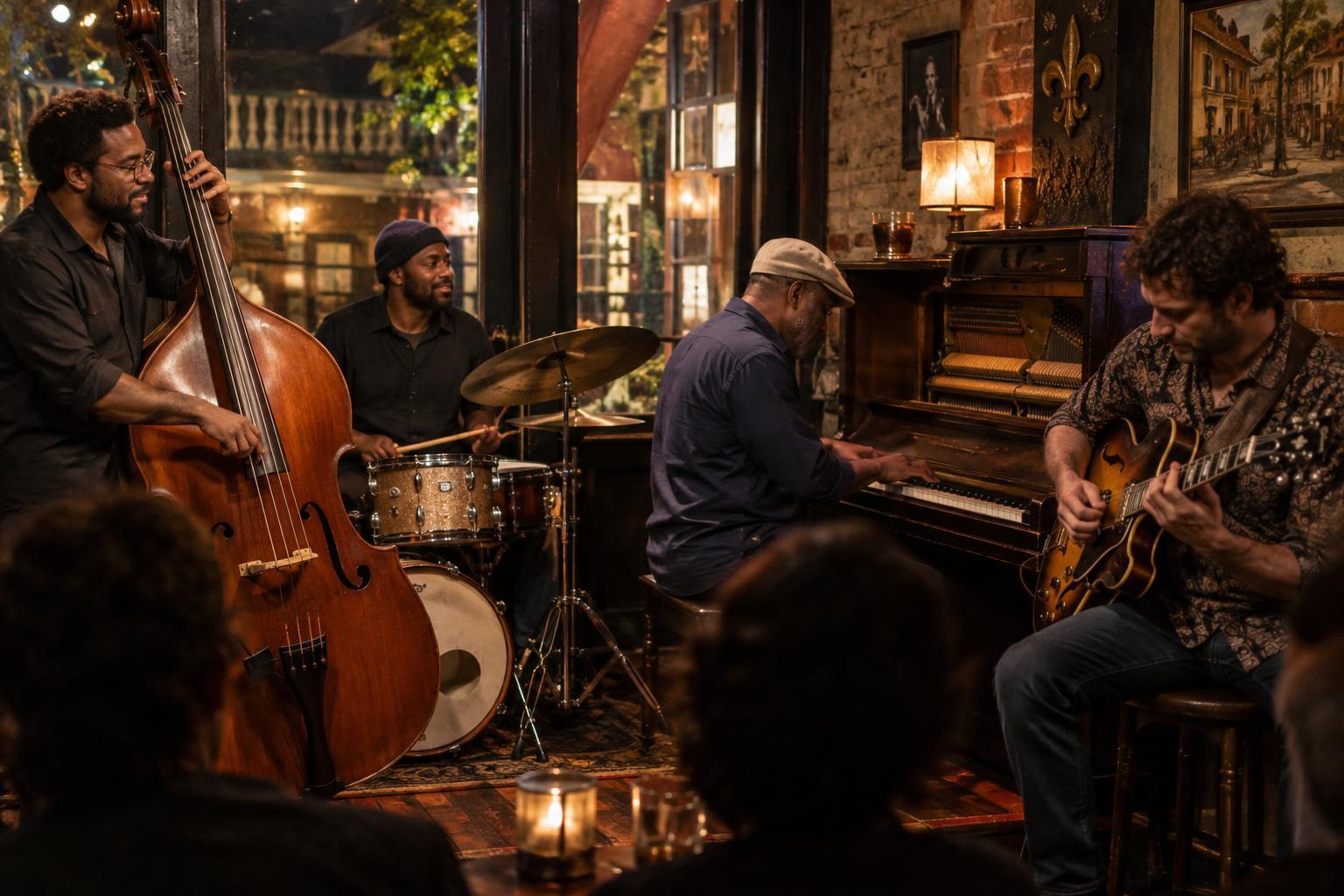
A stage show gives you a fixed place to listen. Depending on the room, you may be able to distinguish a quiet solo, an exchange between players or a rhythmic shift that would be harder to follow on a busy street. The band can address the audience directly, pause between numbers and shape a set without having to keep a procession moving. That makes a show a good choice if you want to pay close attention to the playing.
The atmosphere still varies widely. One room may invite dancing close to the band; another may have seated listeners or limited space to move. Amplification also changes the experience: it can bring out detail, though it may not have the same open-air impact as horns heard nearby on a street. Check a venue’s own information for its current schedule, admission arrangements and house rules rather than assuming every brass band show works the same way.
Choosing an experience that fits
Choose a parade if you are comfortable walking or standing outdoors and want to see how music interacts with a moving crowd. Be prepared for changing weather, uneven pavement and limited opportunities to sit. A route may cover more ground than you expect, so it is reasonable to pick one spot to watch instead of trying to follow the whole way. If you need step-free access or a place to rest, plan your viewing spot in advance where possible.
Choose a stage show if a predictable location, an easier meeting point or the chance to hear a full set matters more to you. Before going, confirm practical details directly with the organizer or venue: start time, tickets or cover charge, age policy and accessibility. For a parade, look for information from its organizers about the route and nature of the event. Plans can change, and an old listing is no substitute for a current one.
How to be a good listener in either place
On the street, keep entrances, sidewalks and the procession’s path clear. Follow the lead of organizers when they ask the crowd to move. Ask before taking a close-up photo of someone, particularly a person marking a private or solemn occasion. If you dance along, stay aware of musicians, participants and other spectators around you. Your view or recording should not come at the expense of someone else’s ability to move safely.
At a show, respect the room’s photography and recording rules, and make space for others to listen or dance. Buying a ticket, paying a cover or tipping when appropriate are straightforward ways to support the people making the music. Most of all, listen to what each setting offers: the parade’s shifting exchange between band, street and community, or the stage show’s sustained conversation between players and audience.