Start with the neighborhood, not just its landmarks
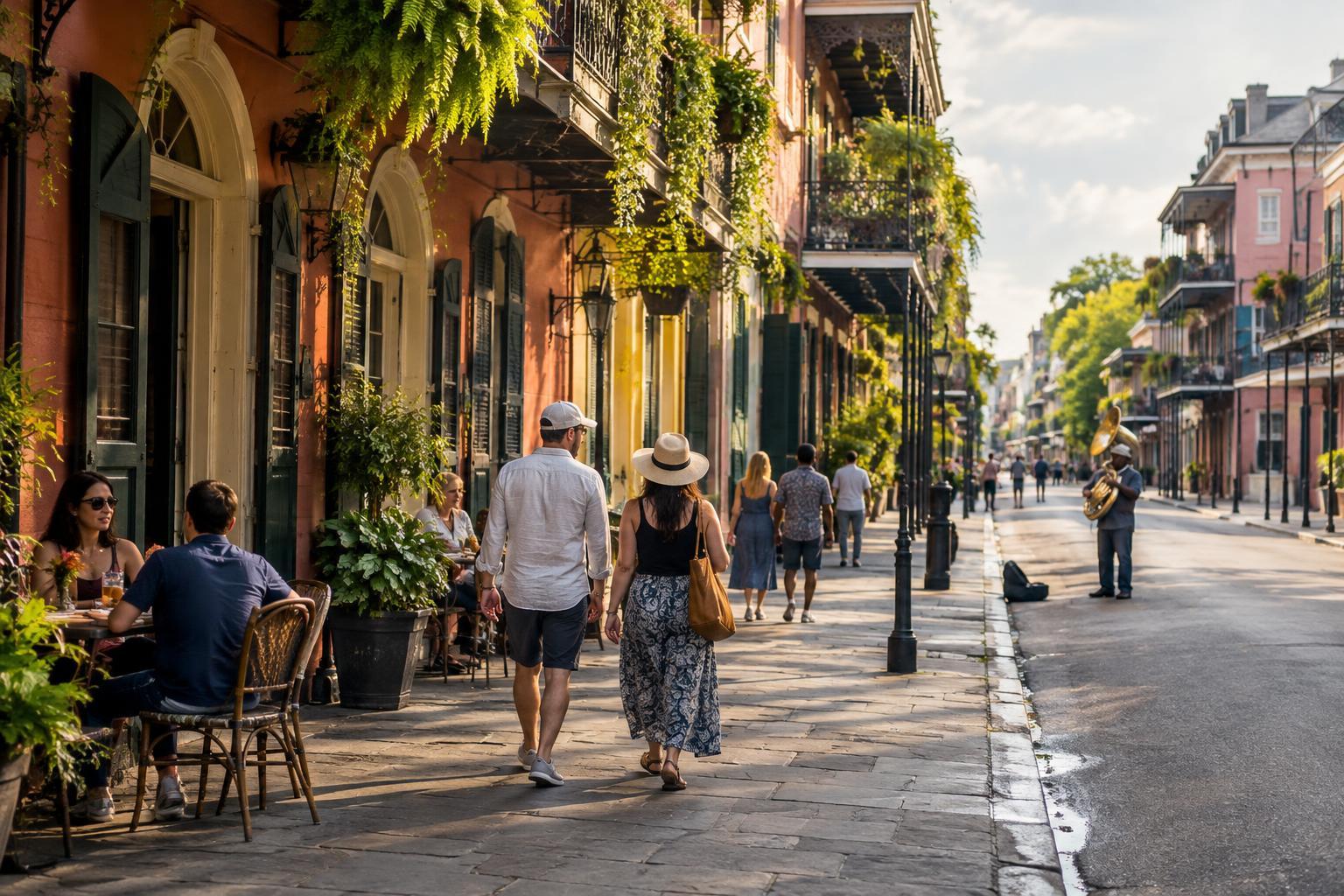
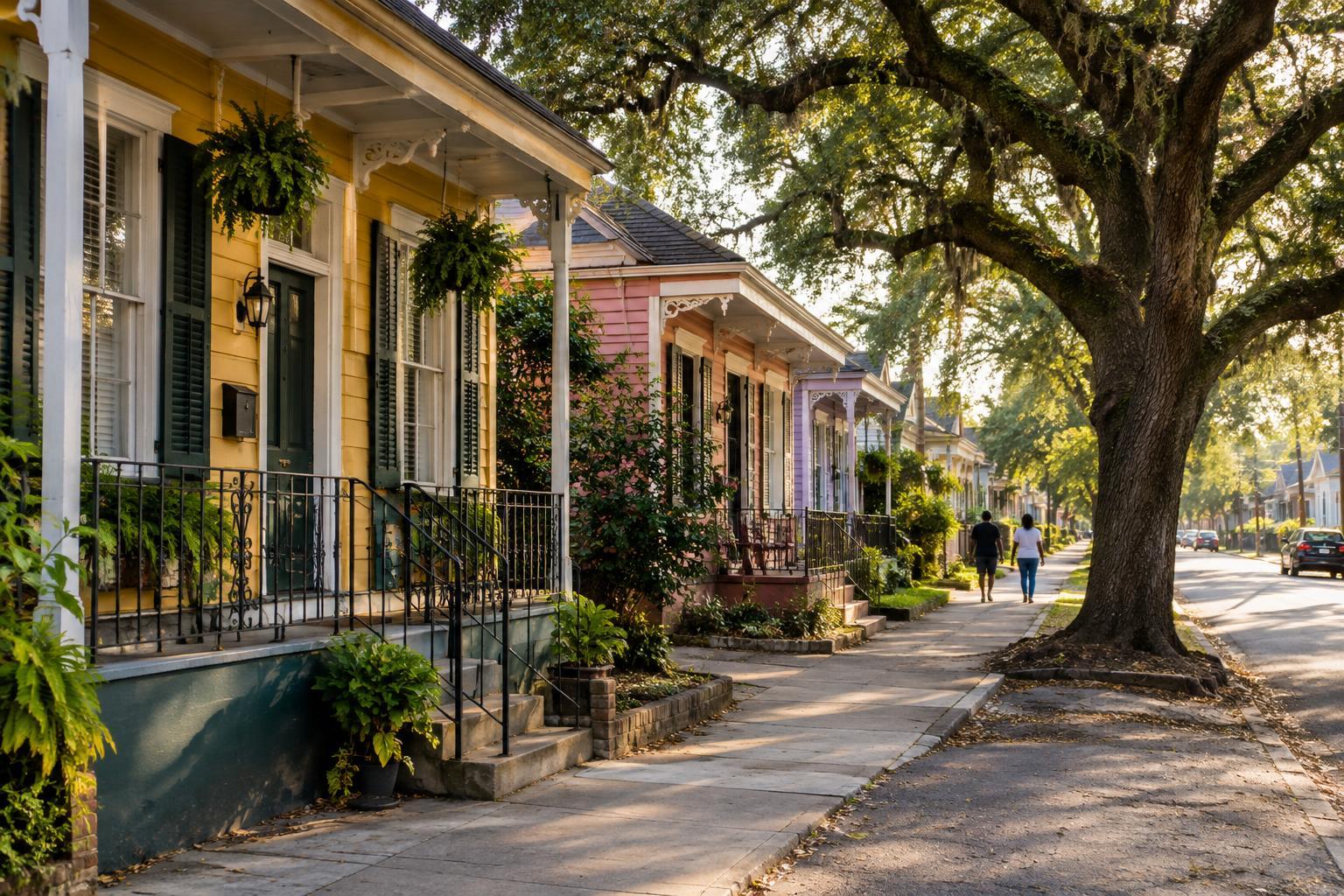
Tremé sits just north of the French Quarter, close enough to reach on foot from many downtown starting points but distinct in character and history. It is a residential neighborhood as well as a place visitors associate with New Orleans music. A walk here can bring you past churches, homes, gathering places and streets shaped by generations of community life. That mix calls for a different pace than a sightseeing checklist.
The neighborhood has long been associated with free people of color, Black institutions, skilled trades, and traditions of public celebration and mutual support. Its story is neither a single origin story for New Orleans culture nor a thing of the past. Residents continue to live, work and make culture here. Treating Tremé as an active neighborhood helps visitors notice more than the sites they came to find.
Understand the history beneath the music
Congo Square, within the area now known as Louis Armstrong Park, is an important place to begin learning. During the era of slavery, gatherings of enslaved and free people of African descent took place there, including music and dance. The square’s significance extends beyond any simple claim that one place “invented” jazz. It offers a way to understand how African cultural practices endured and changed in New Orleans despite oppression.
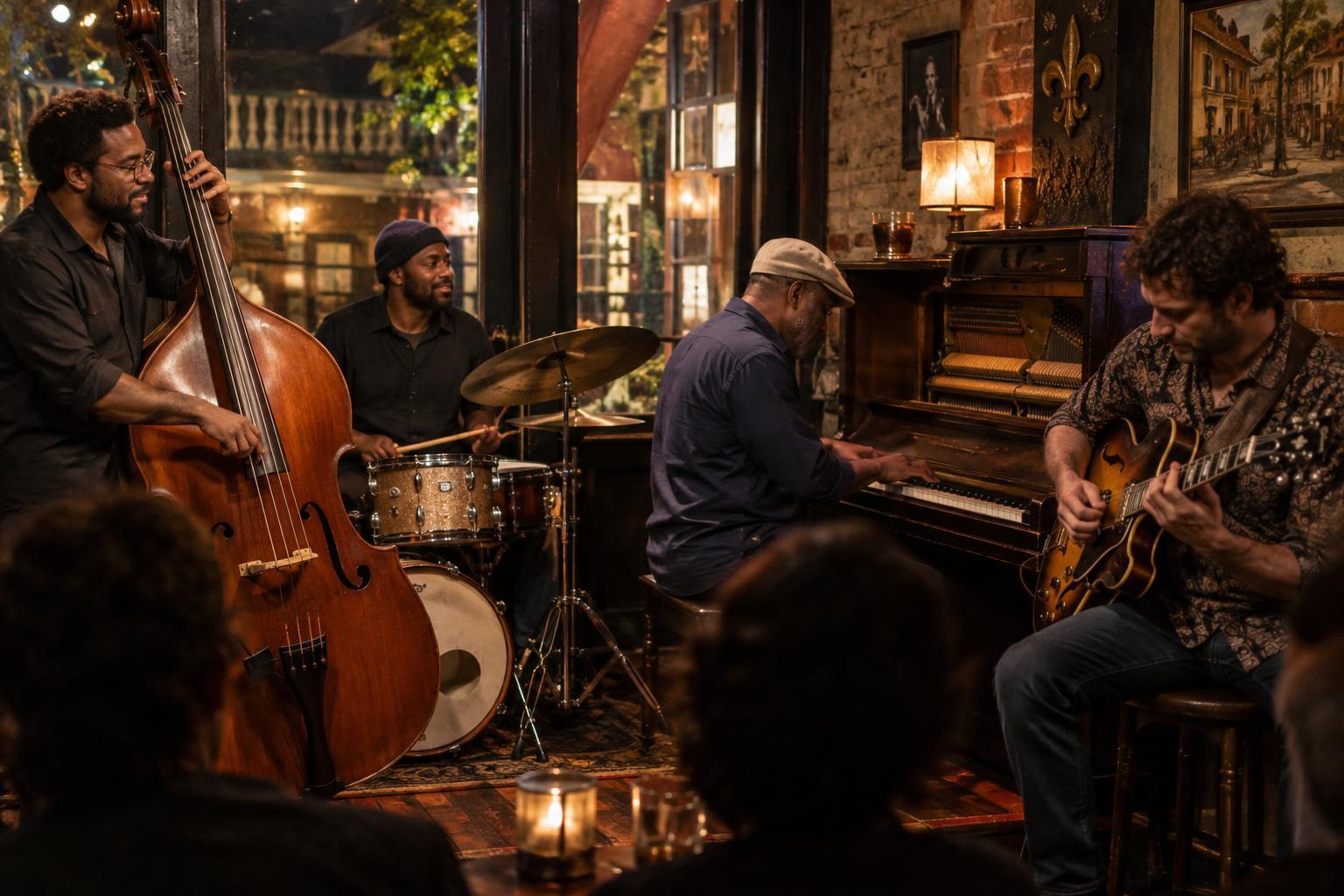
Tremé is also closely tied to brass-band music and social aid and pleasure clubs, organizations whose parades and community work carry meanings beyond entertainment. Music you hear in a procession may be part of a celebration, a remembrance or a neighborhood tradition. Give people room to move, follow directions from organizers when present, and remember that a public event is not automatically a performance staged for visitors.
History is visible in less celebratory ways, too. The elevated roadway along North Claiborne Avenue altered a corridor that had served as an important Black commercial and social space. Looking at the built environment alongside the music makes for a fuller picture of Tremé: one that includes loss, adaptation and continuing community ties.
Plan a walk that leaves room to listen
Choose a manageable route rather than trying to cover every street. Congo Square can provide a starting point for considering the neighborhood’s wider history. From there, a walk through Tremé may include exterior views of historic churches, small businesses and residential blocks. Saint Augustine Church is one landmark many visitors seek out; check its visitor information before planning to enter, and respect any worship services or private activities.
A guided walk led by someone with a meaningful connection to the neighborhood can add context that signs and maps cannot provide. If you go independently, read about the places you hope to see beforehand and stay open to what you encounter. Sidewalks, crossings, weather and distances can affect even a short outing, so bring water, wear comfortable shoes and allow time to pause without blocking a doorway or stoop.
Addresses, admission rules and opening hours can change. Confirm details directly with any museum, church, tour operator or business you plan to visit. A closed door is not an invitation to enter, even when a building appears in a guide.
Be a considerate guest on residential streets
The simplest rule is to behave as you would want visitors to behave outside your own home. Stay on public paths, keep conversations at a reasonable volume and avoid photographing people without permission. Porches, steps, yards and parked cars are part of daily life, not backdrops. If a resident or worker asks you to move along or make space, do so without argument.
Cultural traditions deserve the same care. At a parade or music gathering, make room for participants and neighbors who are there for the occasion. Watch before stepping into a procession, and do not assume that a costume or performance gives you permission to touch it or its wearer. Asking a brief, respectful question can be appropriate; demanding an explanation in the middle of someone’s work or celebration is not.
Let your visit benefit the people behind the place
Spending with neighborhood businesses, paying for a locally led tour or buying work directly from an artist are practical ways to support the people whose knowledge and creativity make a visit meaningful. Choose experiences because they offer something you genuinely value, not because you expect a resident to perform a version of “authentic” New Orleans on demand.
Tremé rewards curiosity paired with restraint. Learn some history, follow the lead of the people hosting an event, and leave room for ordinary neighborhood life to continue around you. You may come away with fewer photographs and a better understanding of why this place matters.