Where the Seventh Ward fits on the map
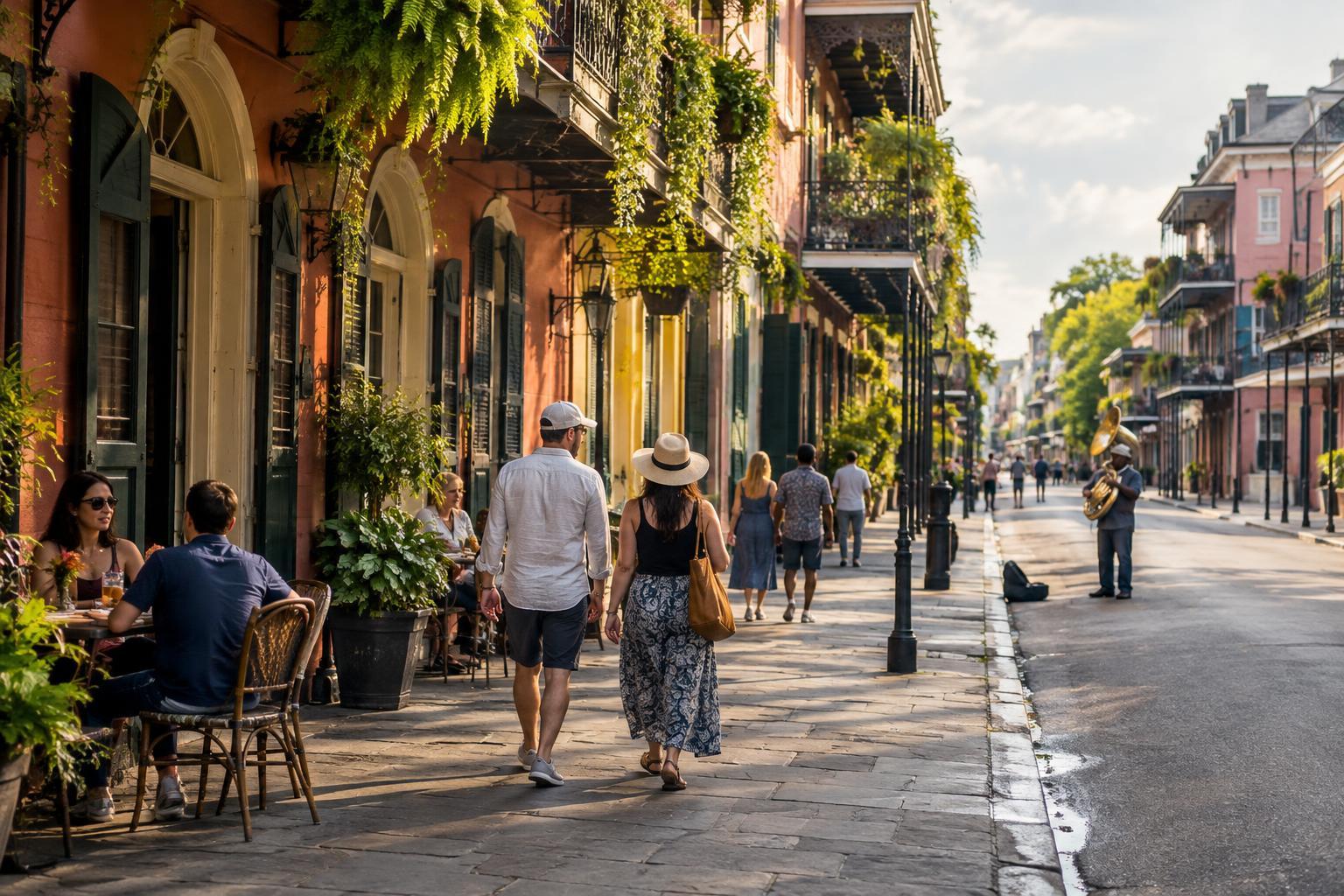
The Seventh Ward is near the French Quarter and the Marigny, but proximity can be misleading. A visitor can move from a busy dining or nightlife corridor into quiet residential blocks within a short distance. For a first look at the map, use Esplanade Avenue and Elysian Fields Avenue as useful reference points, with St. Bernard Avenue and North Broad Street helping to frame the wider area. Neighborhood names and ward boundaries do not always match the way residents describe a particular block, so treat these landmarks as orientation rather than a rigid sightseeing route.
New Orleans’s numbered wards are long-standing geographic divisions. They are not a ranking of neighborhoods, and the Seventh Ward is not simply an extension of the French Quarter. If you are choosing a place to stay or arranging a meetup, check the actual street address and nearby cross streets instead of relying on a listing that says only “Seventh Ward.” That small step gives you a clearer sense of walking distance, transportation options, and what the immediate surroundings may feel like.
A neighborhood with everyday life at its center
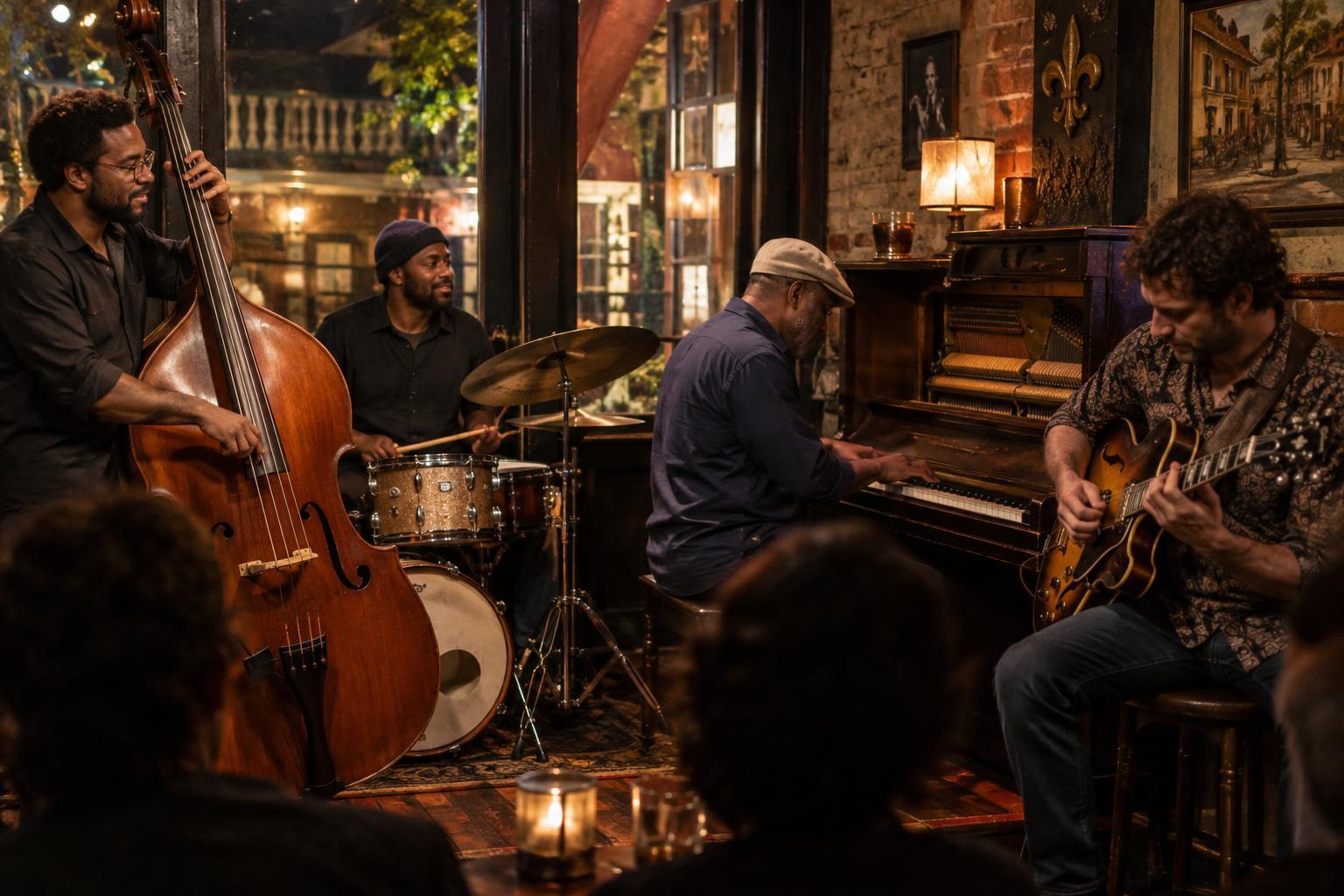
The Seventh Ward has deep connections to New Orleans’s Black and Creole cultural history, including generations of families, craftspeople, musicians, churches, and community organizations. Those connections matter, but they should not turn the neighborhood into a backdrop for someone else’s itinerary. People live, work, worship, and look after one another here. A house with striking details is still someone’s home; a gathering outside a church or community space is not automatically a public performance.
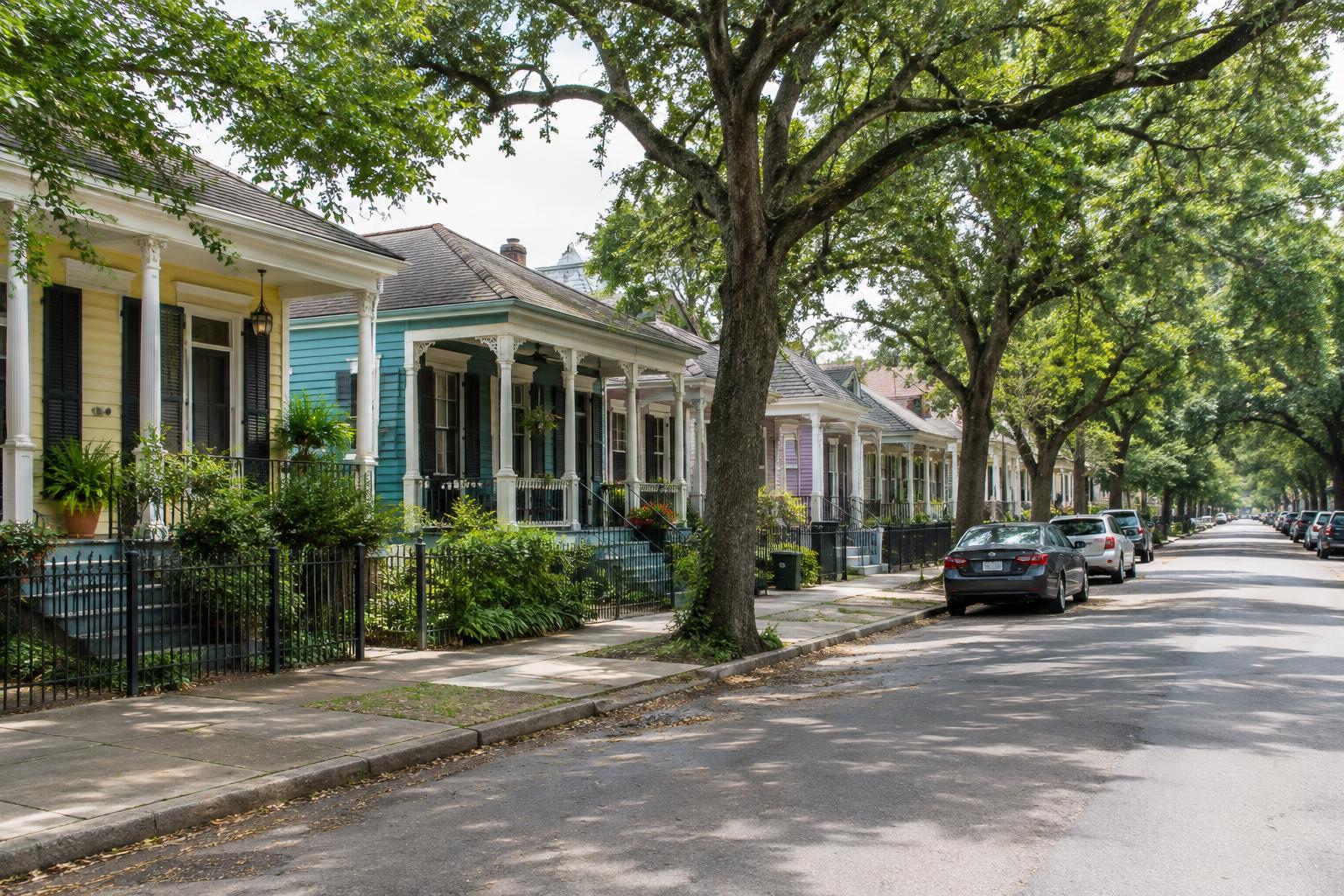
Expect a mix of architectural styles, corner businesses, familiar neighborhood streets, and blocks that vary in appearance and activity. The ward is not one uniform scene. Some stretches feel more connected to major roads, while others are quieter and more domestic. Approaching it as a place to understand, rather than a checklist of photo stops, makes it easier to notice those differences without intruding on them.
How to explore without forcing an itinerary
Start with a modest plan: choose a destination that welcomes visitors, such as a business with posted hours or a public cultural event, and look at the surrounding streets before you go. An unhurried daytime walk can help you understand the scale of the area. If you want to learn about a particular building, artist, or tradition, seek out a guided experience or information shared by people and organizations connected to it rather than guessing from appearances.
Keep normal residential courtesies in mind. Stay on public sidewalks, leave entrances and driveways clear, and ask before photographing people. Avoid treating a private porch, yard, or occupied home as a landmark you can approach for a closer look. If an event draws a crowd, give participants room and follow the lead of its organizers. Buying from a neighborhood business can be a welcome part of a visit, but residents do not owe visitors conversation or access.
Getting around and planning your return
Distances on a map can feel different on the ground, especially in heat or rain. Decide how you will get back before setting out, and bring water and comfortable shoes if you plan to walk. Larger avenues can help with orientation, though crossings still deserve attention. Transit routes, service hours, and ride availability can change; check your preferred transportation option close to your visit rather than assuming a route or late-night connection will be available.
The Seventh Ward’s residential character is also a reason to plan nightlife elsewhere rather than arriving in search of an entertainment strip. After dark, move with the same awareness you would use in any unfamiliar city: know your destination, stick to a route you are comfortable with, and choose a ride if a walk no longer feels practical. There is no need to wander quiet blocks simply because they appear close to a busier area.
What a good visit looks like
A rewarding visit to the Seventh Ward may be low-key. You might stop at a locally run business, attend an event that is open to the public, or simply come away with a better sense of how the area relates to the rest of New Orleans. Before making a special trip, confirm that the place or event you hope to visit is open and welcomes visitors; do not assume a remembered venue or tradition follows a fixed schedule.
The most useful thing to carry with you is an understanding that the Seventh Ward is both culturally significant and lived in. Its history deserves curiosity, while its present deserves ordinary respect. Knowing where you are, making a purposeful plan, and leaving space for residents to go about their day will serve you better than trying to see everything at once.