Start with the experience, not the set list
A live music journal does not need to be a record of every song. You may not know the titles, and a performance can be memorable for reasons a set list would miss. Perhaps the room grew quiet for a solo, a singer invited the audience into a refrain, or a rhythm made you want to move before you understood why. Writing down one such moment can bring the night back more vividly than a long list of uncertain details.
Begin with a few anchors: where you were, the kind of ensemble you heard, and what first caught your attention. You can note the venue and date for your own reference without treating your entry as a guide to future schedules. Lineups and show details can change, so check current information before returning or recommending a performance to someone else.
Keep impressions separate from facts you are unsure about. “A bright horn answered the singer” is a useful observation even if you cannot identify the instrument. If you learn a musician’s name from a reliable show listing or introduction, add it later rather than guessing.
Listen for the conversation onstage
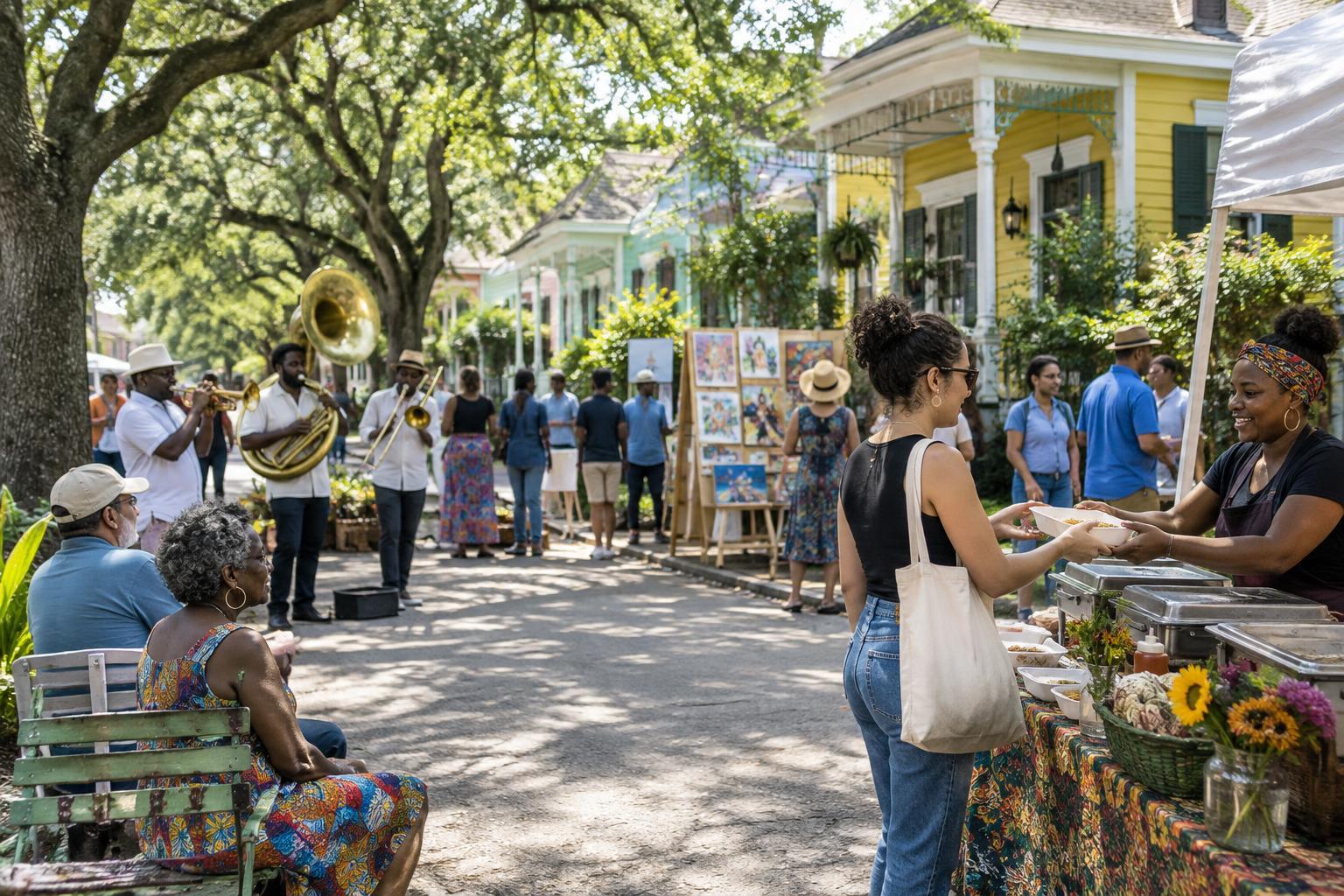
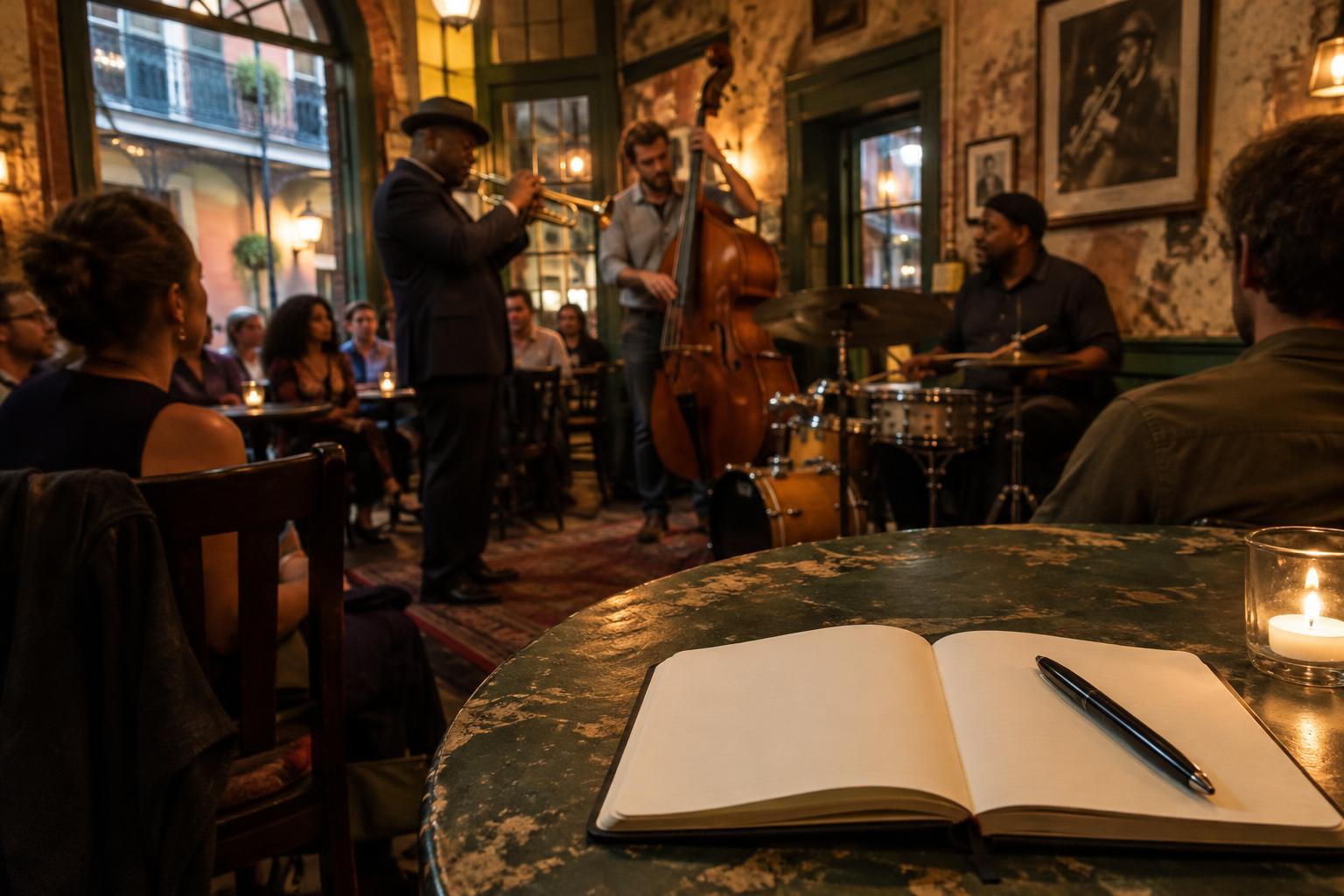
New Orleans performances can reward attention to how musicians respond to one another. Notice who establishes a pulse and who plays around it. Does a drummer leave space for a bass line, or does a horn phrase prompt an answer from another player? In a brass band, you might hear different parts carrying the beat, melody and accents at once. In a small combo, a pause can be as striking as a loud passage.
You do not need technical vocabulary to describe what you hear. Try plain questions: What changed during the song? When did the audience react? Did the groove feel steady, loose, driving or delicate? If dancing was part of the room, note how people responded without assuming everyone experienced the music the same way.
A journal can also help you avoid treating the city’s music as one uniform sound. Two performances in the same genre may differ greatly because of the players, the room and the audience. Describe the particular night in front of you rather than trying to decide whether it represents all of New Orleans.
Write respectfully while the memory is fresh
The easiest time to capture an impression is often just after the set, when you can step aside without distracting performers or blocking other listeners. A few words on a phone or in a pocket notebook are enough. If you prefer to stay fully present during the show, jot down three prompts afterward: a sound, a moment and a question you want to explore.
Be thoughtful about what you record. A personal observation about the room’s energy is different from posting identifying details about strangers. If you want photos or audio, follow the venue’s rules and the performers’ wishes; permission to attend is not automatically permission to record. You can preserve a meaningful memory without documenting every minute.
Leave room for uncertainty and changing taste. You might write, “I could not follow the rhythm at first, but the ending clicked for me,” or “The quieter songs held my attention more than I expected.” Those honest notes are more useful than a verdict on whether a show was good or bad.
Make a format you will actually use
A repeatable entry can be short: place and date, who you heard if known, three observations, and one thing to listen for next time. Add a sentence about the setting if it shaped the experience—whether you were seated close to the band, standing at the back, or hearing music in a shared public space. Over several nights, these entries may reveal which sounds and settings draw you in.
Paper works well, and a basic notes app is enough for a digital version. If you enjoy building your own journal tool, browse Interface Components · JavaScript Craft for ideas about arranging an entry form. For a starting point on making that form work, explore JavaScript Fundamentals · JavaScript Craft. If you want to learn about browser features for saving or handling your notes, continue with Browser APIs · JavaScript Craft. None of those extras is necessary: the best journal is the one you will open after the next show.
Before you go out again, reread an entry and choose one listening question to carry with you. It could be as simple as “What is the bass doing?” or “How does the band end a song?” That small thread of curiosity can connect your nights without turning a live performance into homework.